10 Issues to Watch for on Korean Peninsula in 2016
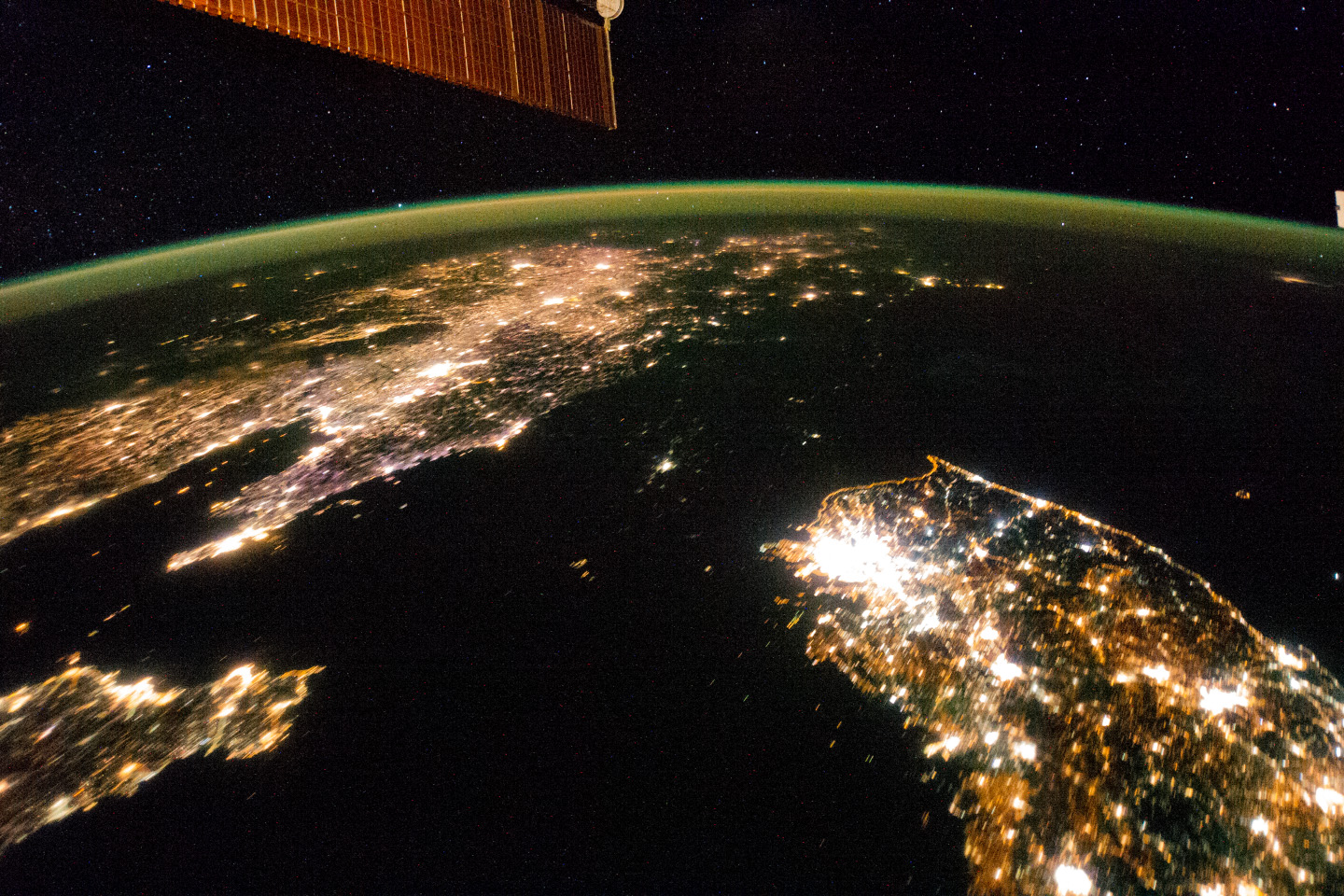
In the aftermath of North Korea’s nuclear test, 2016 has already begun with a new crisis on the Korean peninsula.
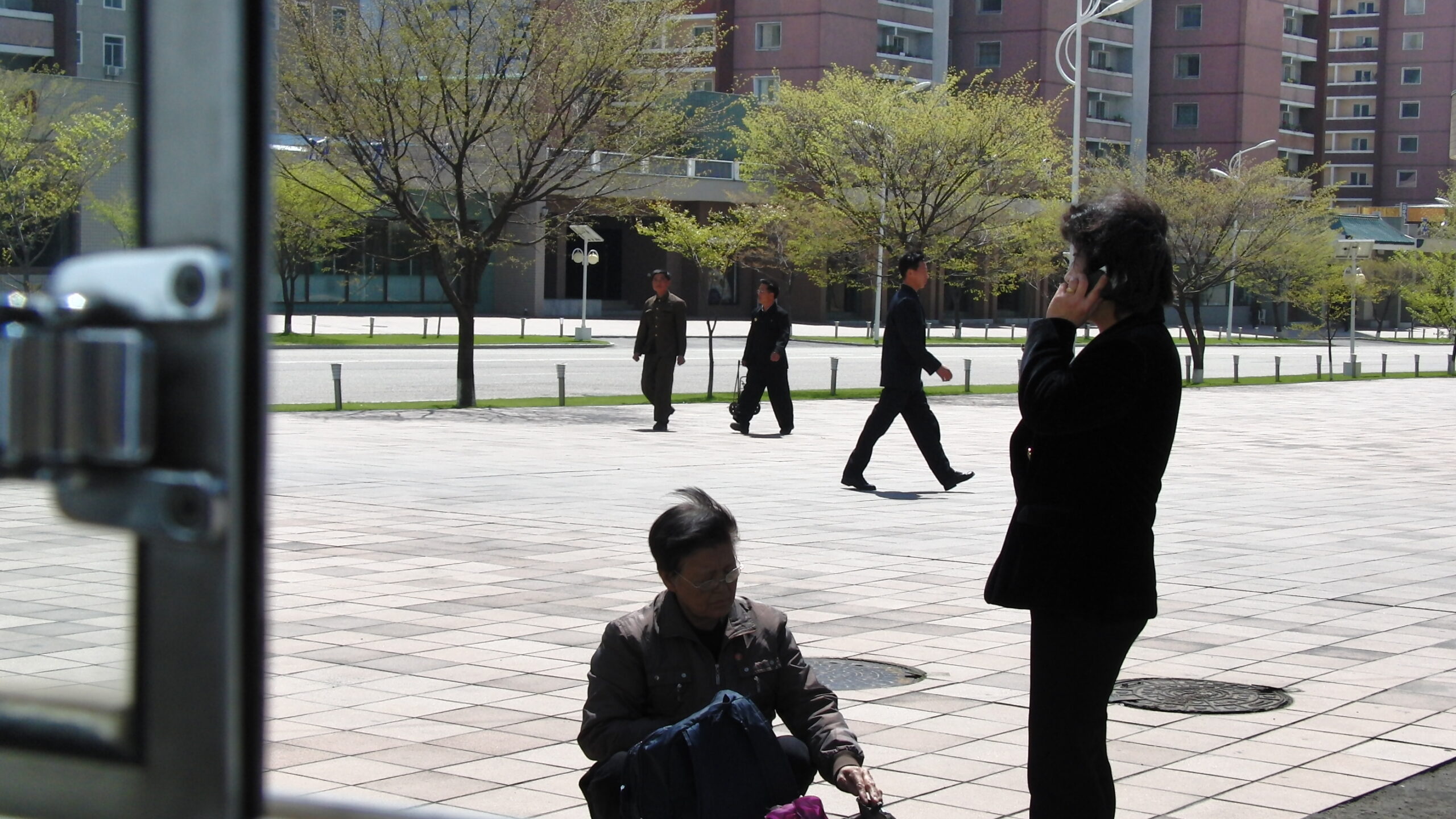
A young defector summed the allure of pop culture to North Koreans best: “No matter how many people die, the sensational popularity doesn’t die…that is the power of culture.”
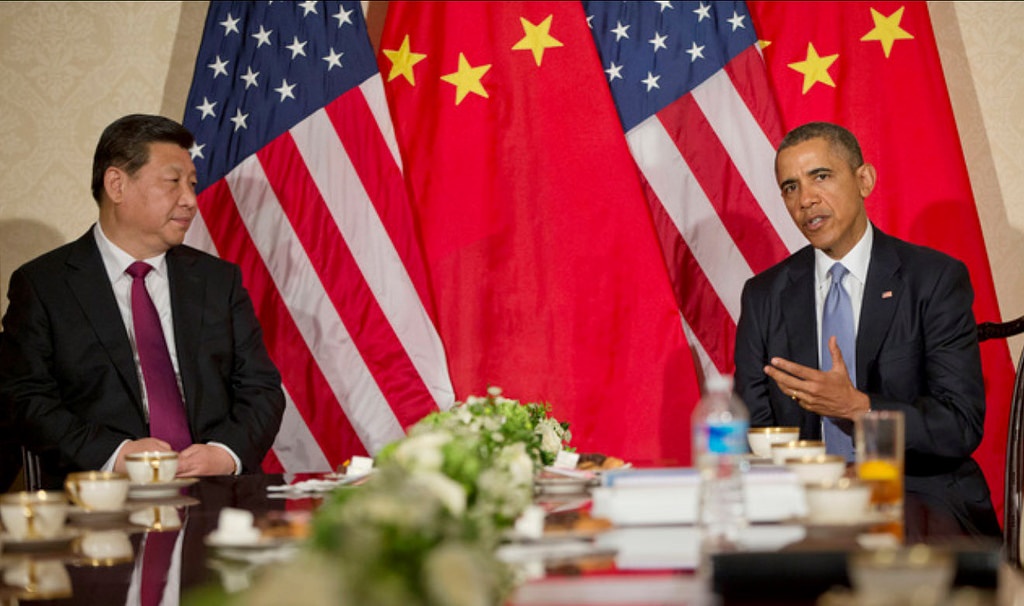
Although short of being a treaty, potential new new norms being negotiated by China and the United States could have longer-term implications, including for addressing cyber threats from North Korea.
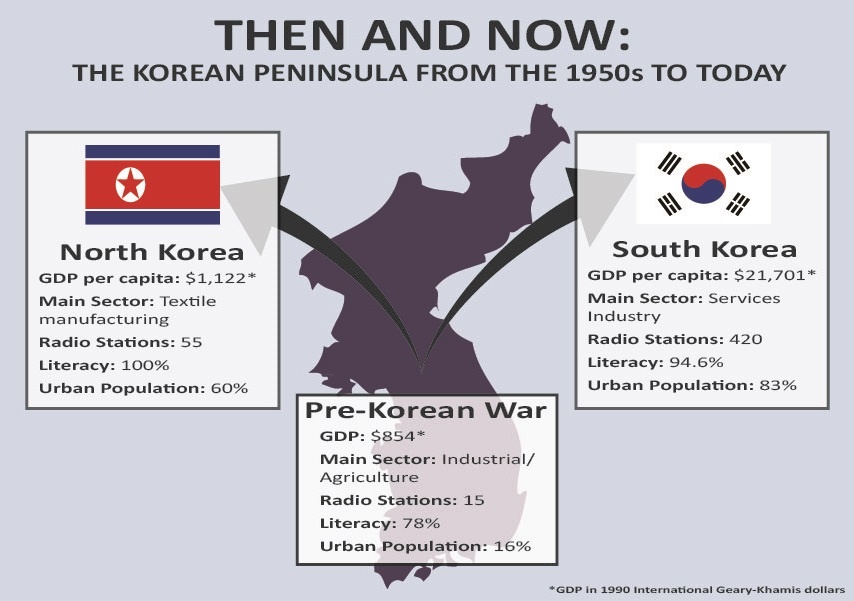
With the 70th anniversary of the end of World War II over the weekend, KEI takes a look back at what has changed on the Korean Peninsula from the 1945 to today.
North Korea’s cyber attack on Sony Pictures Entertainment and the subsequent threats to target theaters that screened “The Interview” have had a chilling effect beyond Sony’s decision not to release “The Interview” on Christmas day.
From the Hack North Korea contest to smuggling in USBs and launching balloons over the DMZ, there have been many ways people have tried to get outside information to the North Korean people.
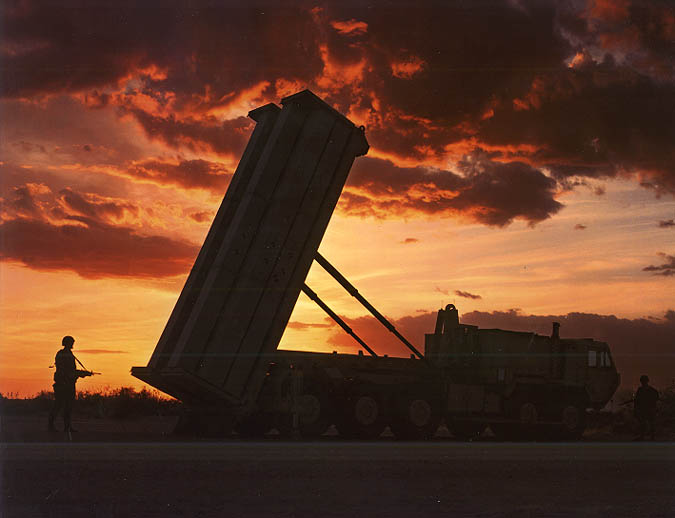
In recent years, the United States expressed interested in deploying the Theater High Altitude Area Defense missile system or THAAD, onto the Korean peninsula to counter North Korea’s growing missile threats.
In a future with the Asian Super Grid, renewable energies gathered in the steppes of Mongolia would be transported through an integrated, multi-national power grid to reach energy needy cities in China, Russia, on the Korean Peninsula, and Japan.
Korea and the United States both enjoy a number of competitive advantages – high innovation capabilities, educated and sophisticated workforces, and cutting-edge technologies in key areas, such as information, health care, and energy.
South Korea joins an elite group of countries by launching its first rocket into space.