U.S. Trade Deals, Letters, and Tariffs: Implications for South Korea
Deep integration of U.S.-South Korean economic relations may not be enough to avoid significant challenges ahead.

Deep integration of U.S.-South Korean economic relations may not be enough to avoid significant challenges ahead.
Ending tax credits may hurt EV sales, but other aspects appear promising for Korean investment in the United States.
The first major deal of the year carries implications for South Korea on everything from tech trade to agriculture
New KEI research shows that perception and visibility, not dollar amounts, shape how Americans feel about foreign investment.
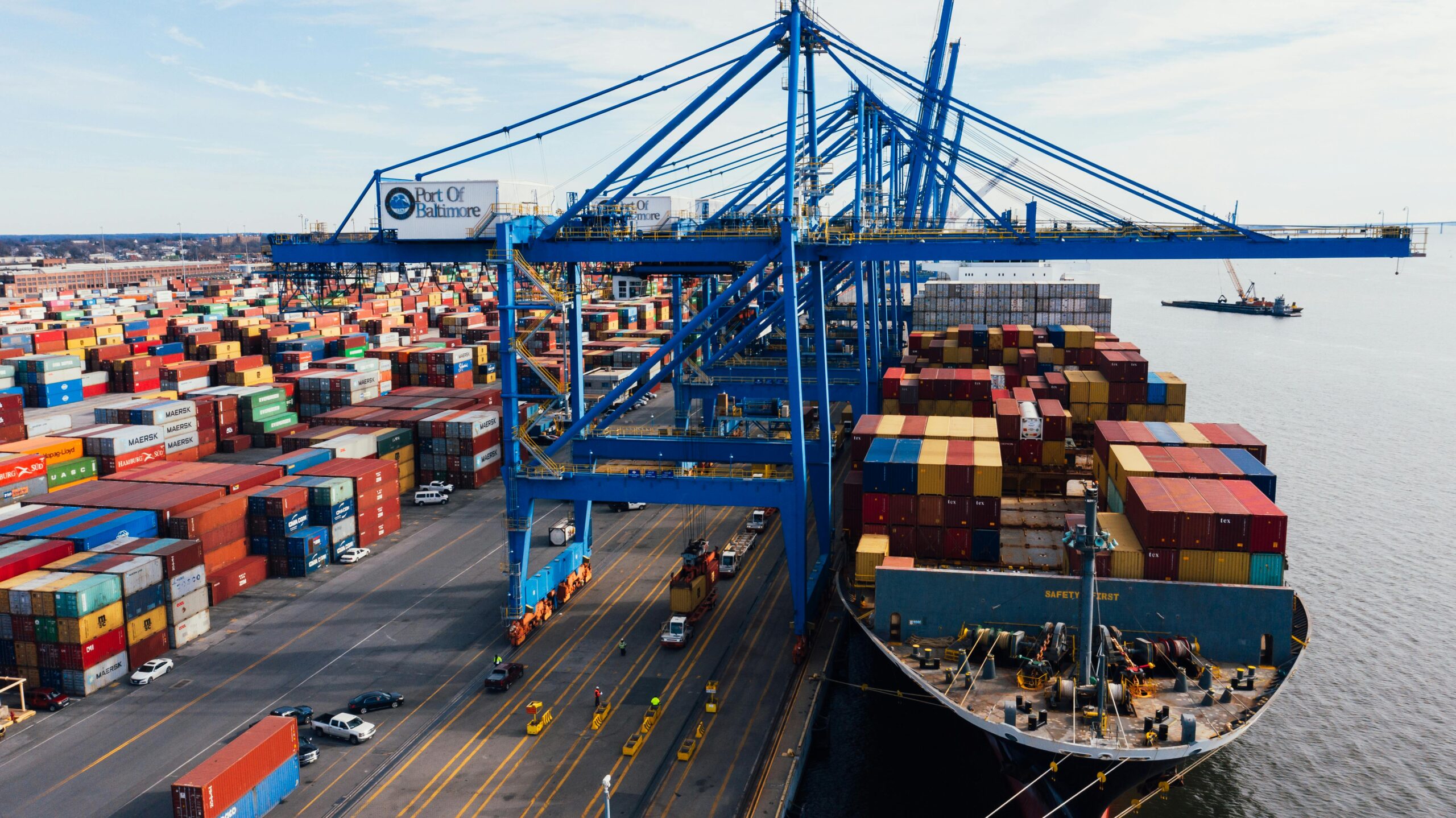
Seoul’s optimistic rhetoric belies deep skepticism about the prospects for a significant breakthrough on trade with the Trump administration.

The protectionist policies of the Trump administration have profound implications for both the United States and South Korea

For South Korea, U.S. partnership presents an opportunity for its shipbuilding sector to maintain competitiveness while reducing dependence on China
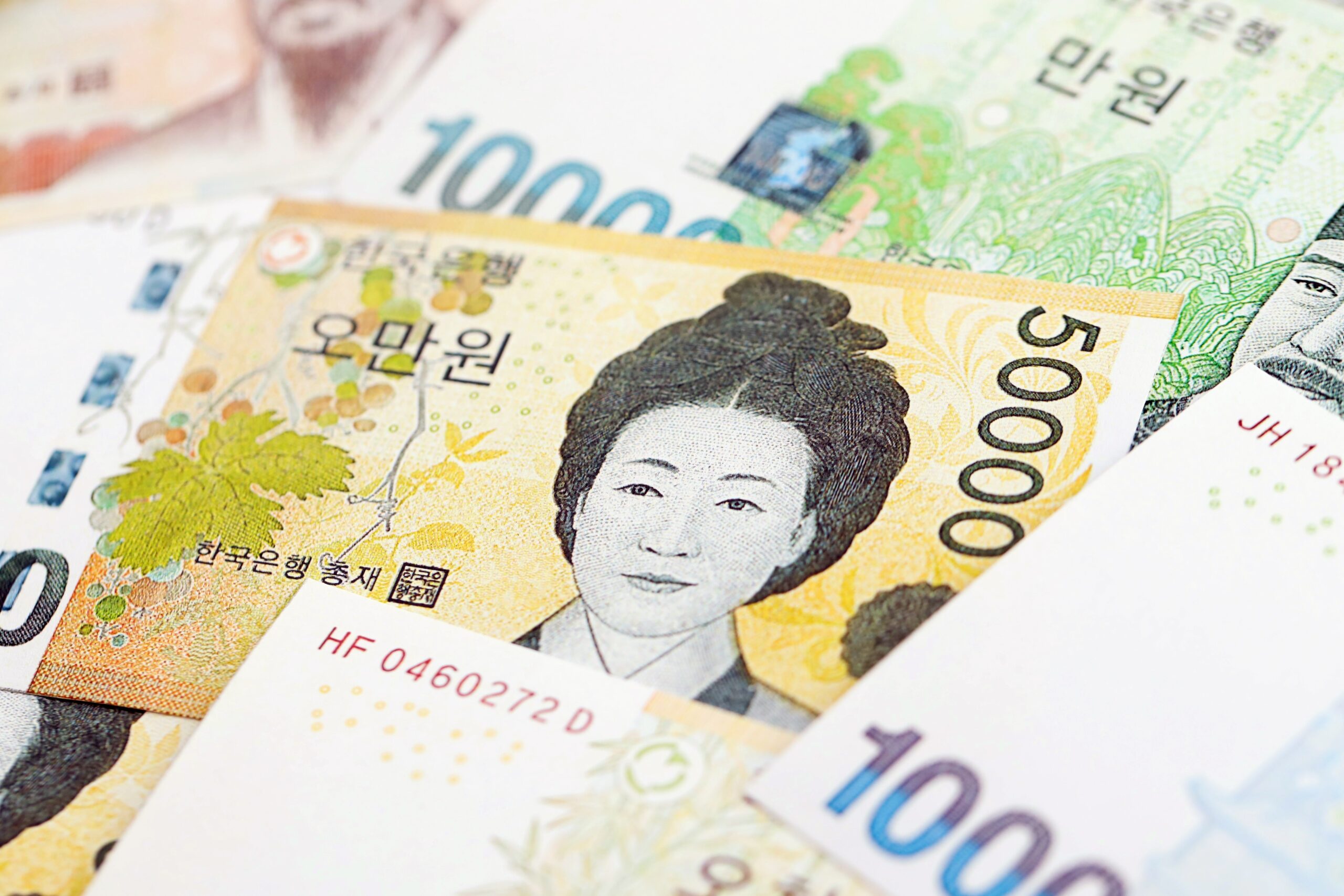
Short-term fears of economic volatility can make people lose confidence in a currency and refuse to hold it, no matter how cheap it gets.
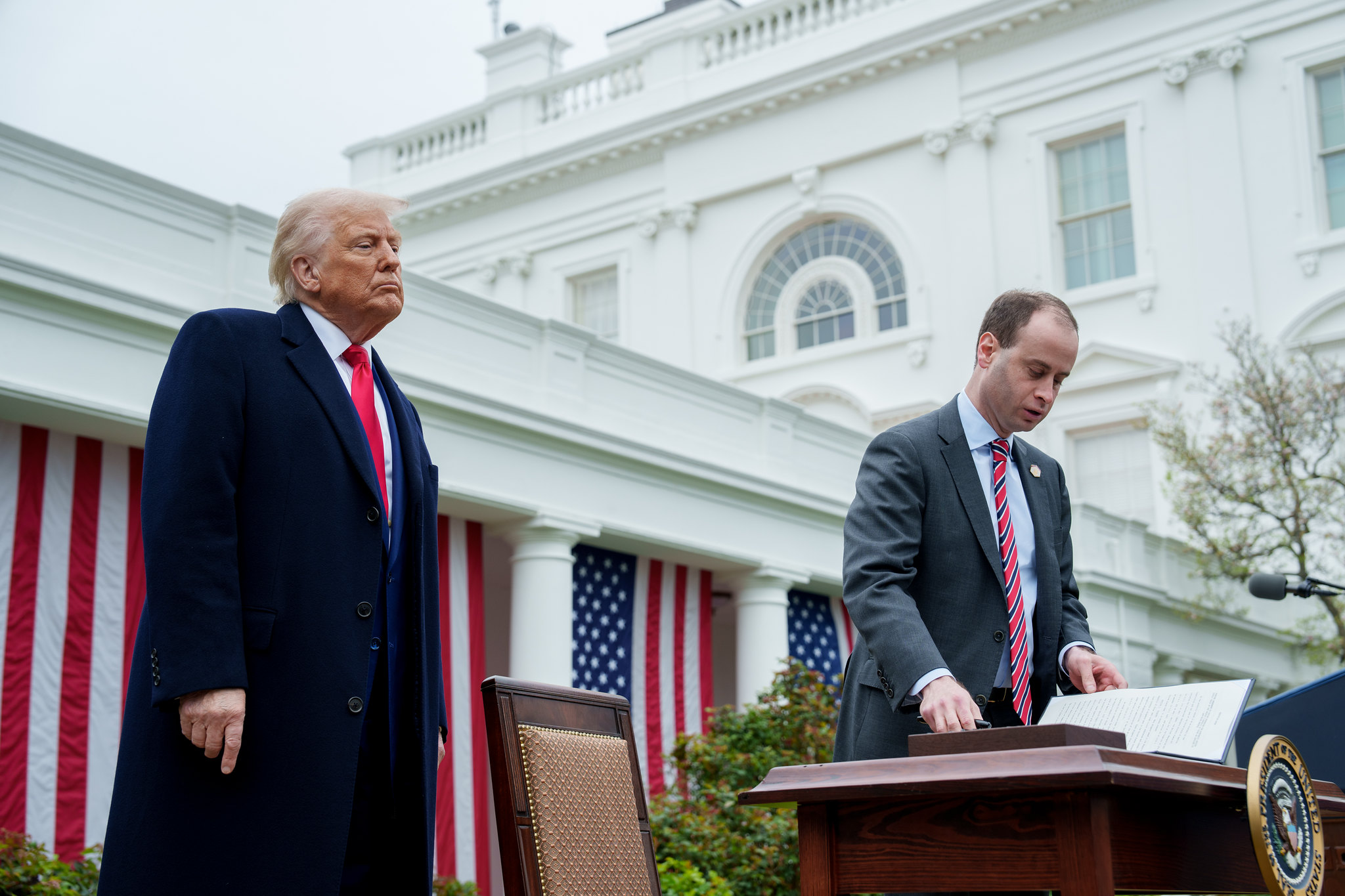
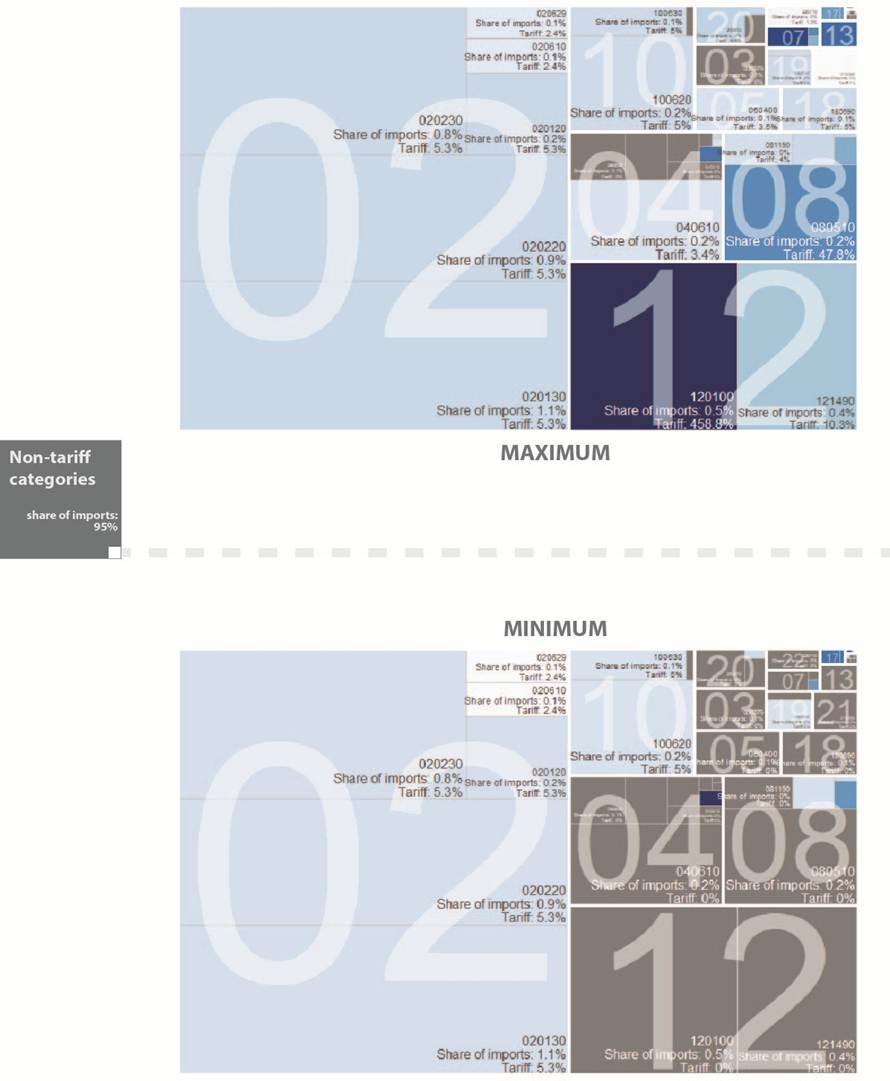
Without exception, the April 2 tariffs are much larger than the tariffs South Korea and others levy on the United States.
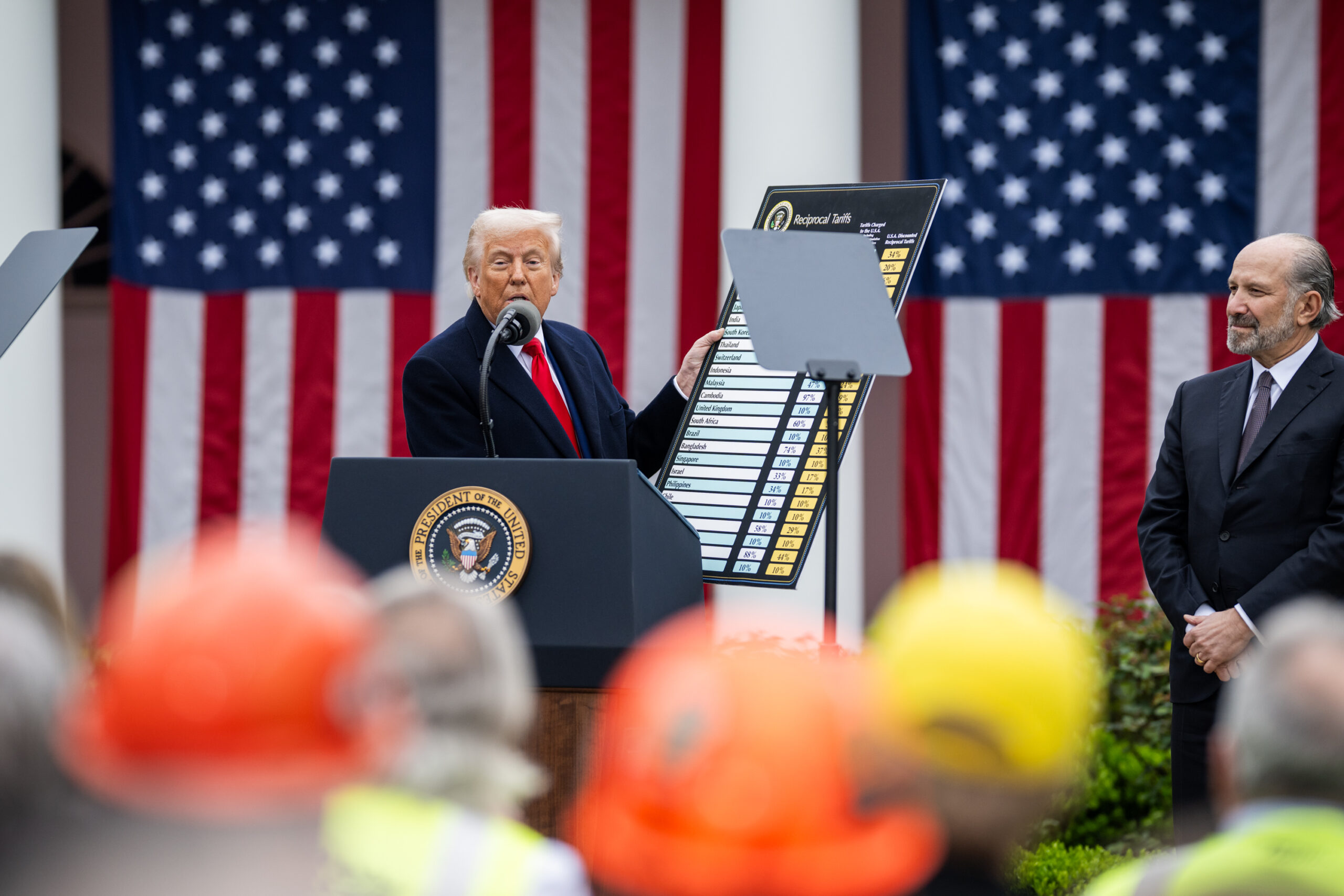
The president held up a placard explaining that nearly every country trading with the United States will be forced to pay heavier tariffs.