South Korea’s Continuing Turmoil: A Timeline
This timeline is the third part of a series that covers major events in the aftermath of South Korean President Yoon Suk Yeol’s declaration of martial law on December 3, 2024….

This timeline is the third part of a series that covers major events in the aftermath of South Korean President Yoon Suk Yeol’s declaration of martial law on December 3, 2024….

An analysis of US public opinion suggests that the recent rise of Hallyu should be taken seriously due to its impact on attitudes about Korea.
During a time of political change in both the United States and South Korea, new investments, partnerships, and diplomatic dialogues continued to strengthen the economic and technological partnership between the two nations.

Major political developments at the end of 2024 have ushered in new unpredictability in the US-South Korea relationship for 2025. First came the re-election of Donald Trump in the United States, followed by dramatic events in South Korea that are still evolving after President Yoon Suk Yeol’s short-lived declaration of martial law. Deep political division is a powerful undercurrent contributing to both these developments, the aftermath of which will play out in unique and uncertain ways in each country over the course of 2025.

South Korean President Yoon Suk Yeol’s short-lived declaration of martial law on December 3, 2024, and his subsequent impeachment on December 14 have plunged the country into its worst political crisis in nearly 40 years, with some signs of a negative economic impact. The economy was already showing signs of weakness before the December political crisis. The additional concerns about political instability have led some forecasters to downgrade their outlook for Korea in 2025.

The last thing South Korean monetary officials need to hear about is the US Department of the Treasury’s recent addition of South Korea to its currency monitoring lists. In light of these circumstances, the South Korean government and the country’s businesses will need to be agile in dealing with these external challenges that could emerge.
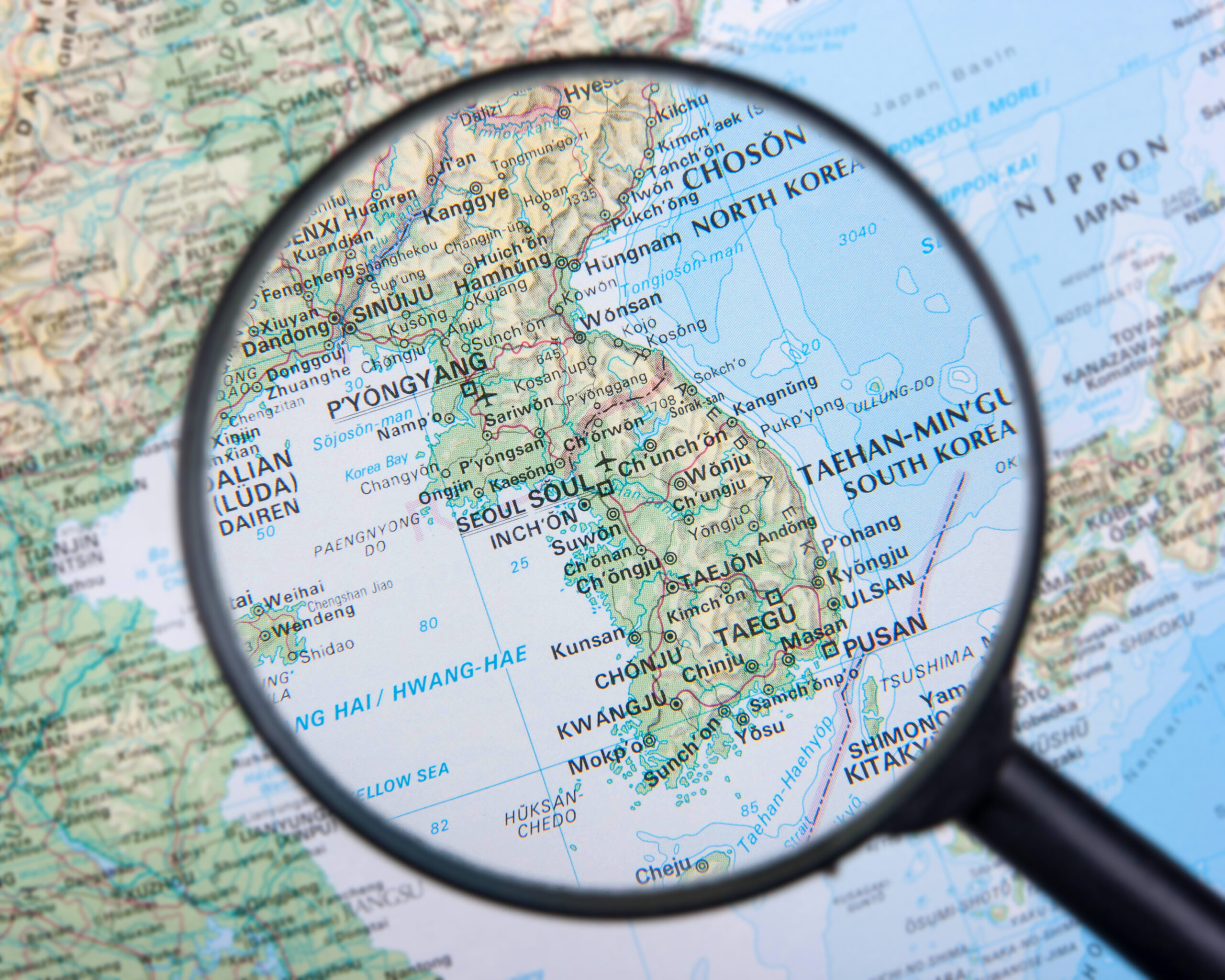
The year 2024 ended with South Korean President Yoon Suk Yeol’s declaration of martial law, his impeachment by the National Assembly, and the ensuing political turmoil and uncertainty. While 2025 will be largely defined by South Korean efforts to regain normalcy and stability in its domestic and global affairs, as well as the inauguration of the Donald Trump administration, other key issues will define and impact the Korean Peninsula this year.
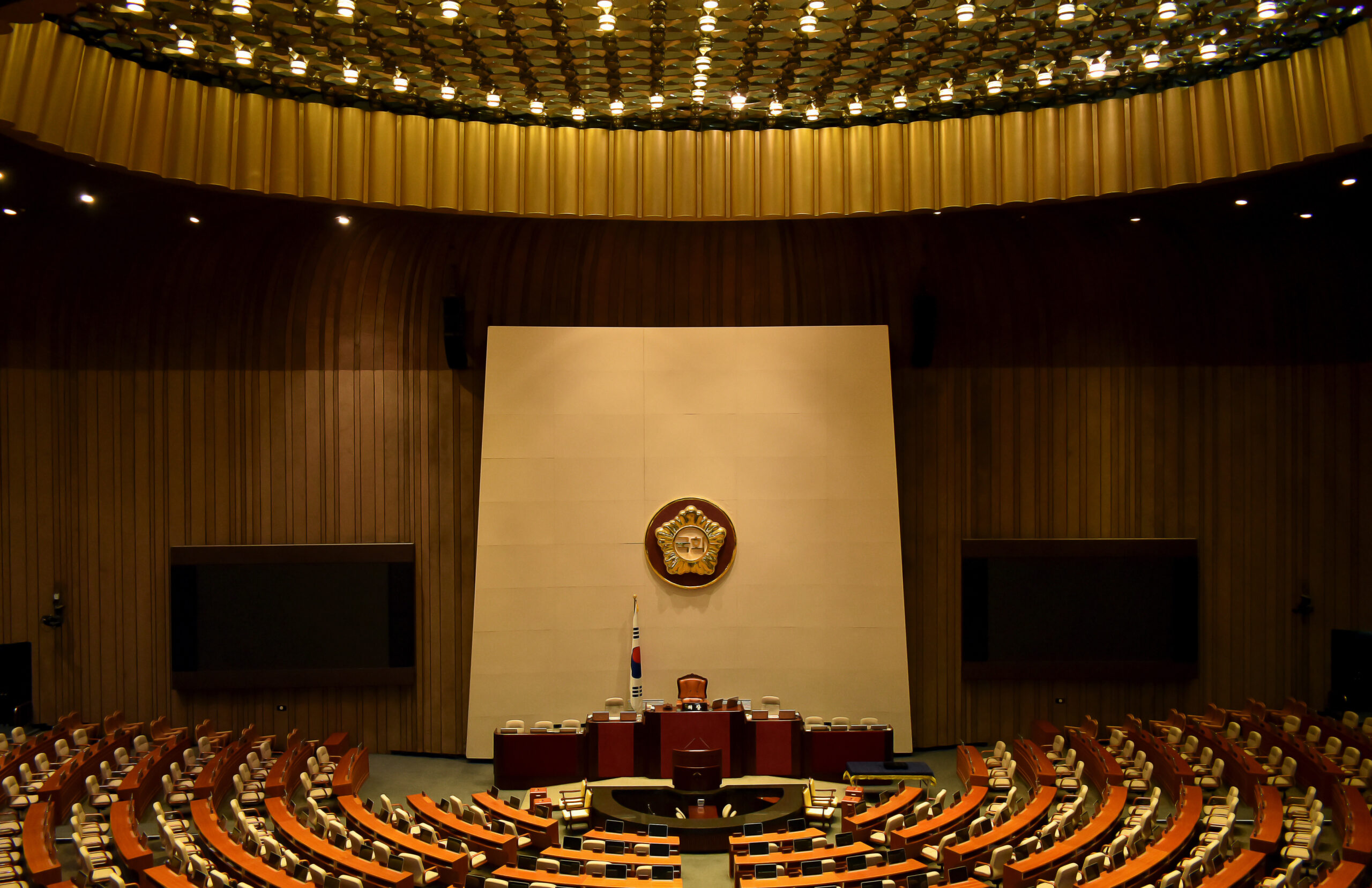
On December 3, 2024, South Koreans and people across the globe alike were stunned when
President Yoon Suk Yeol declared martial law in a late-night, unannounced address. This marked the first use of martial law since South Korea’s transition to democracy in the late 1980s, reviving memories of the country’s authoritarian past and prompting widespread domestic backlash.

South Korea’s healthcare system, often lauded for its universal access and quality, is facing an emerging uneven provider-to-patient ratio crisis. This disparity disproportionately affects rural and underserved regions, where access to medical care is severely limited compared to urban centers. With an aging population and increasing rates of chronic illnesses, the strain on the healthcare system is increasingly growing.

As a growing number of countries develop their own sovereign AI systems, new challenges may emerge with Donald Trump’s return to the White House and his approach to generative AI.