Takaichi’s Landslide Victory and What It Means for South Korea
Japanese Prime Minister Sanae Takaichi’s victory in the lower house elections poses both opportunities and risks for the Korea-Japan relationship.

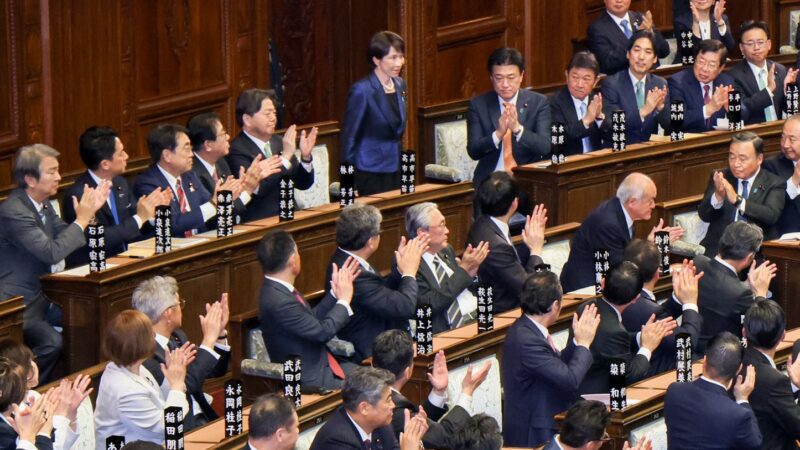
Japanese Prime Minister Sanae Takaichi’s victory in the lower house elections poses both opportunities and risks for the Korea-Japan relationship.

South Korea’s largest online retailer suffered a massive data breach last year that exposed the personal information of more than 33 million users.

The Trump administration’s ability to levy tariffs in other ways will likely persuade South Korea to keep its investment commitments under the tariff deal.
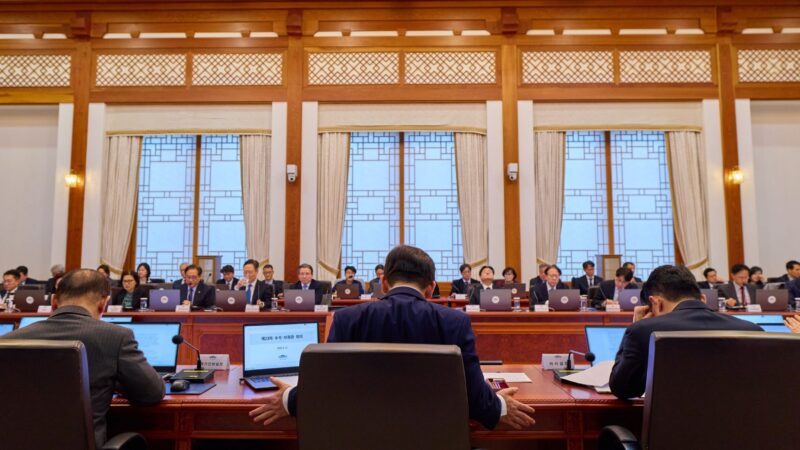
Data shows that 2025 GDP rose 1 percent above 2024, but a surge in the third quarter did not continue through the end of the year.
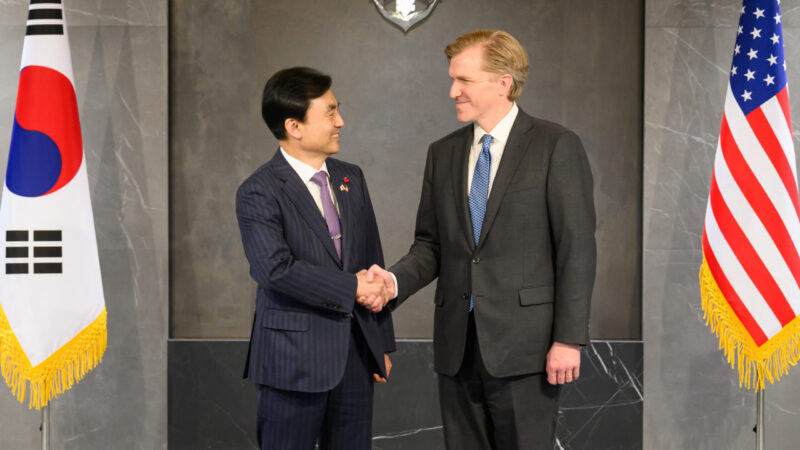
The Trump administration’s attempts to redraw the security bargains with South Korea and Japan are creating growing tension and uncertainty.
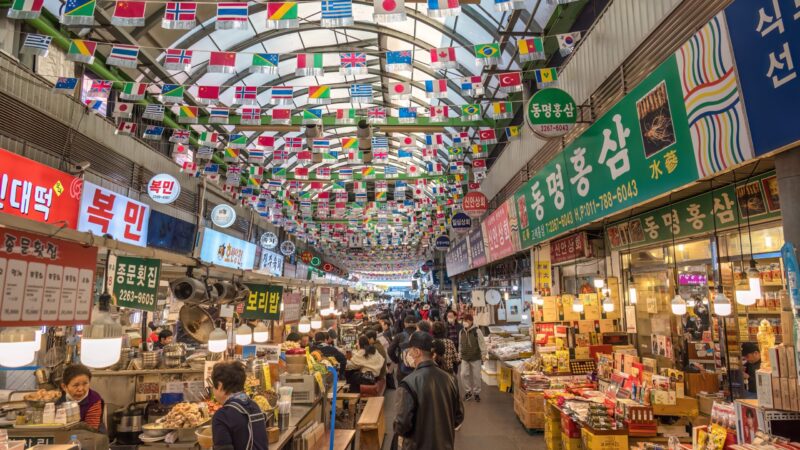
Despite significant barriers, a new survey found that satisfaction among North Korean refugees in South Korea reached its highest level.
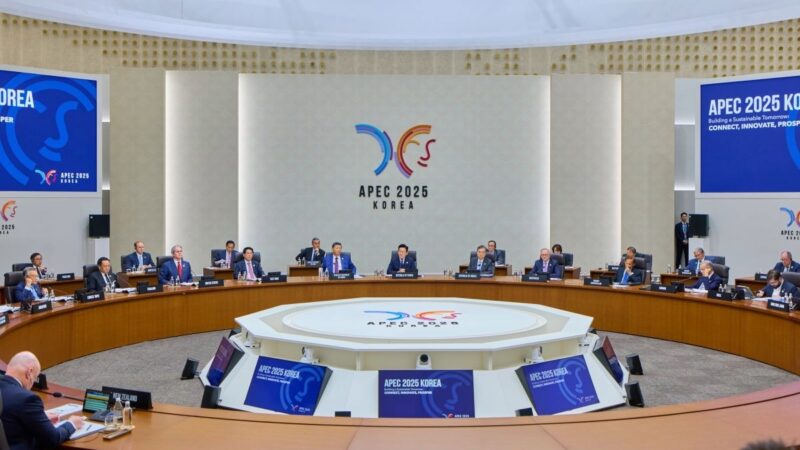
The real significance of South Korea’s successful 2025 Asia-Pacific Economic Cooperation (APEC) summit lies in the Lee administration’s decision to make demographics a major part of its policy agenda.
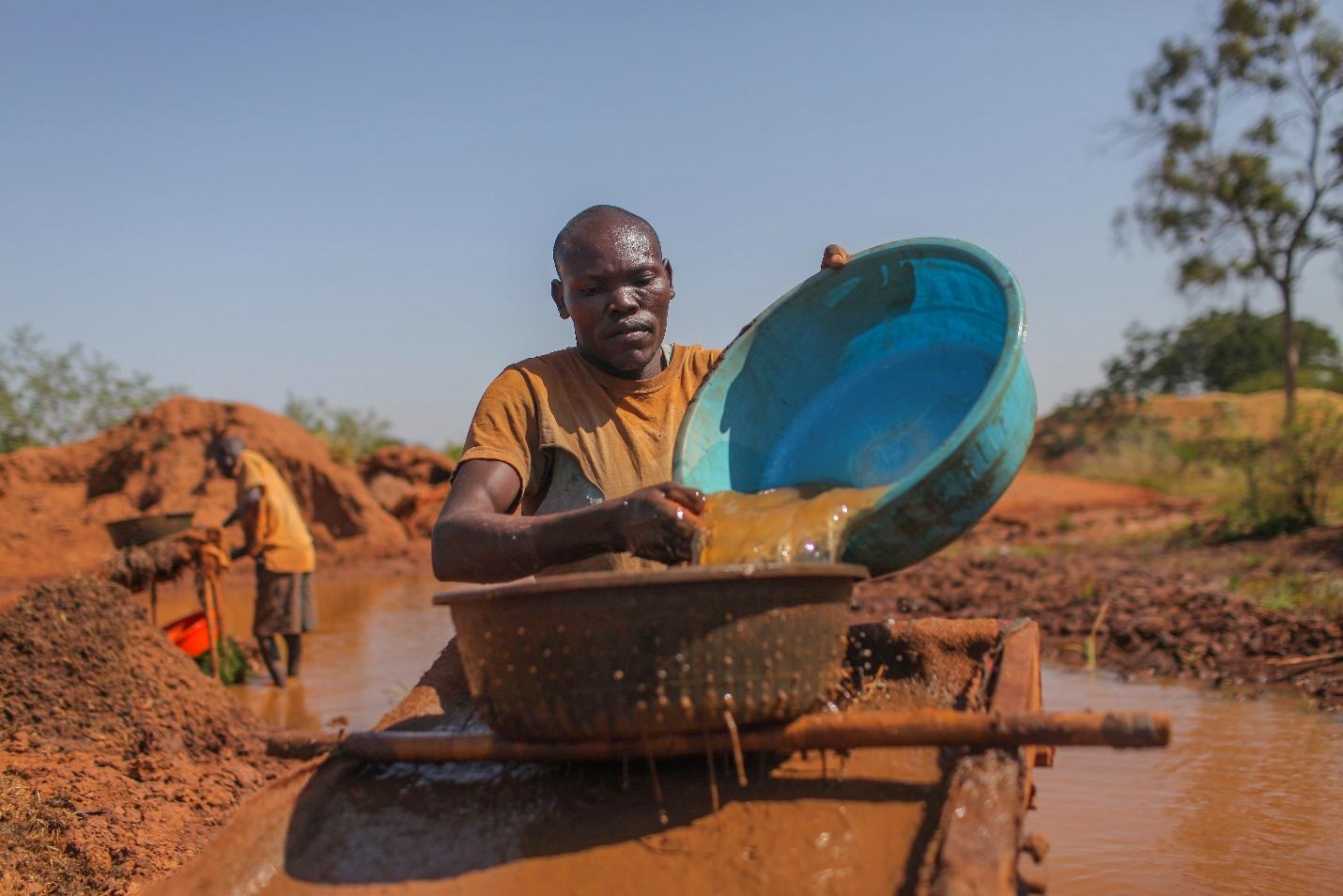
Sourcing critical minerals for the clean energy transition will be paramount to future economic success.

The opening of full diplomatic ties between Seoul and Havana is a clear reflection of the current economic and political realities on the Korean Peninsula.
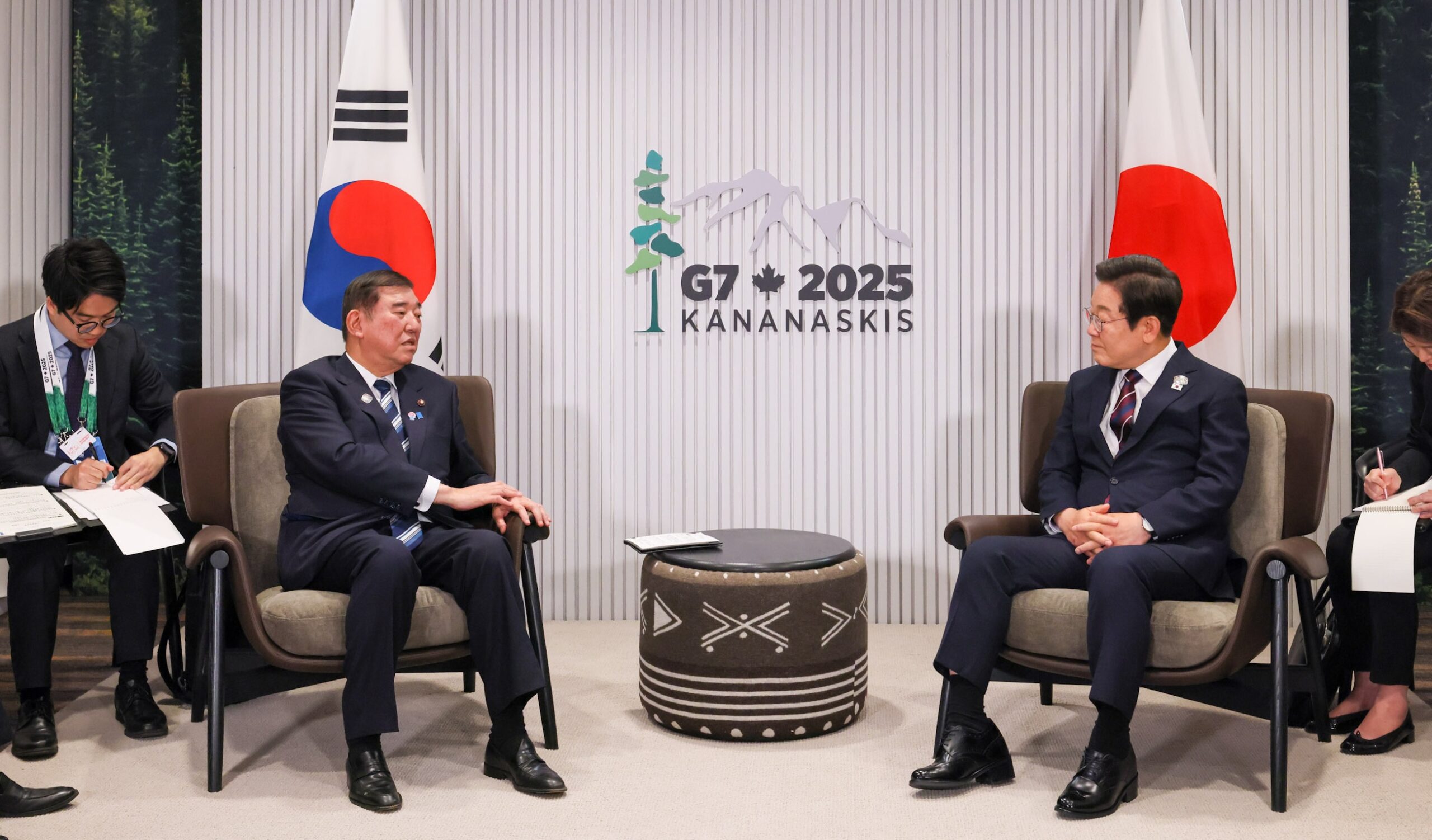
Leaders Lee and Ishiba emphasize overlapping concerns about global turmoil as their primary security partner turns inward.