The Foreign Policy Outlook of South Korean Progressives: Part IV
Pragmatism represents a common theme in South Korea’s liberal foreign policy, responding to external pressures as well as internal constraints.

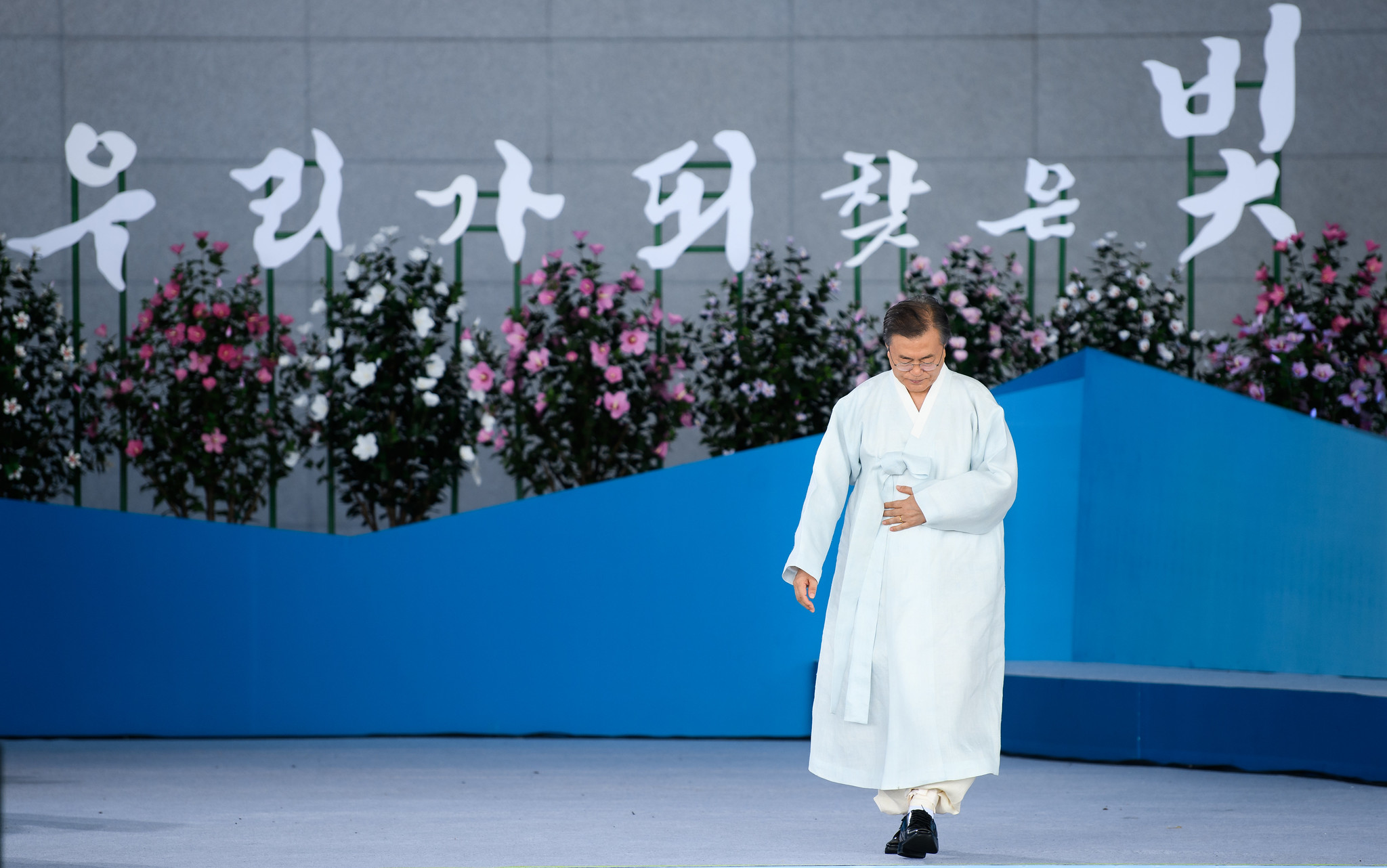
Pragmatism represents a common theme in South Korea’s liberal foreign policy, responding to external pressures as well as internal constraints.
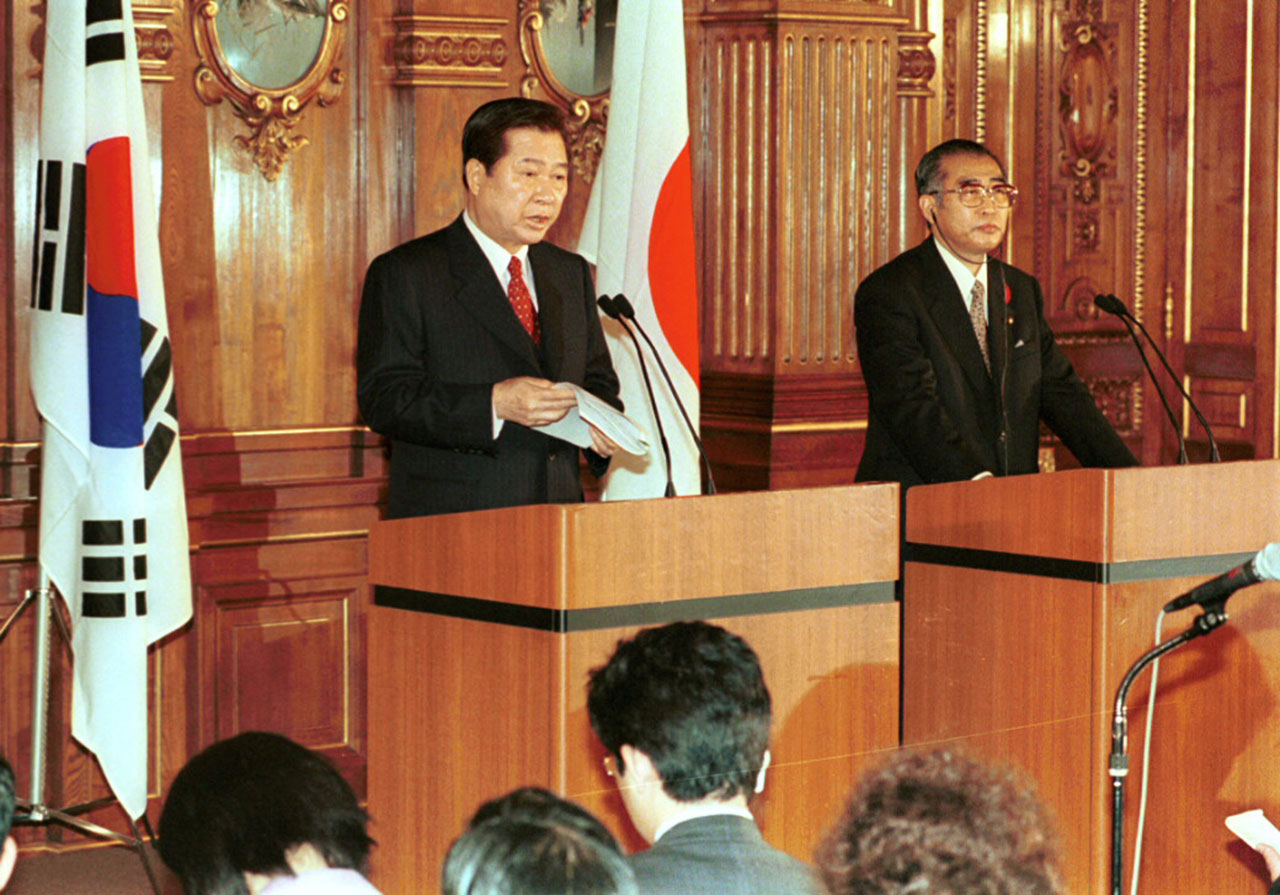
Many in DC view Korea’s liberal administrations as anti-American, but the foreign policy of Presidents Kim Dae-jung and Roh Moo-hyun says otherwise.
The president-elect’s initial push to break with tradition may reveal the incoming administration’s desire to chart a different foreign policy direction.
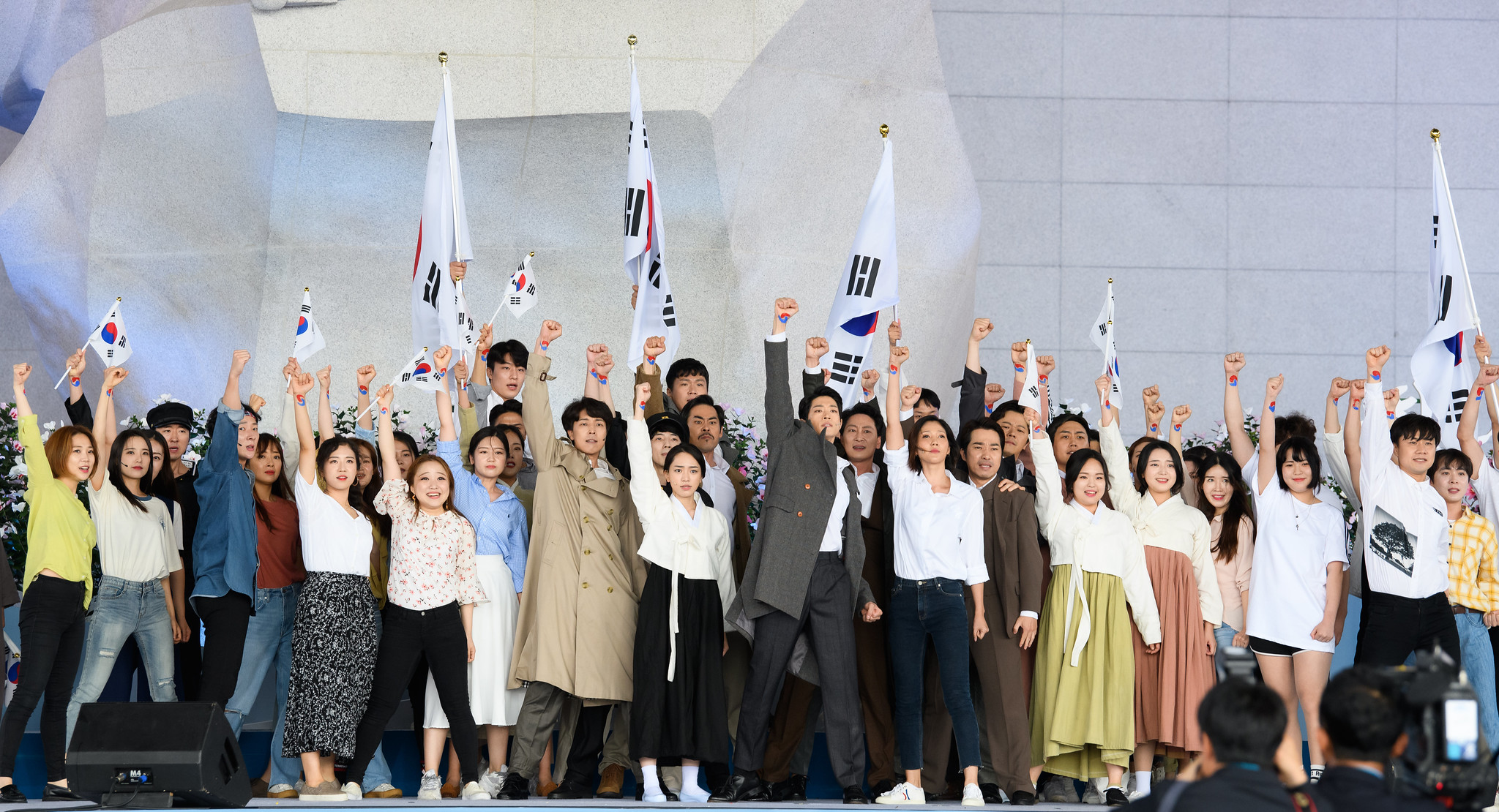
The history of South Korea’s political divide informs how the country’s liberals approach not only their political goals but also foreign policy outlook.
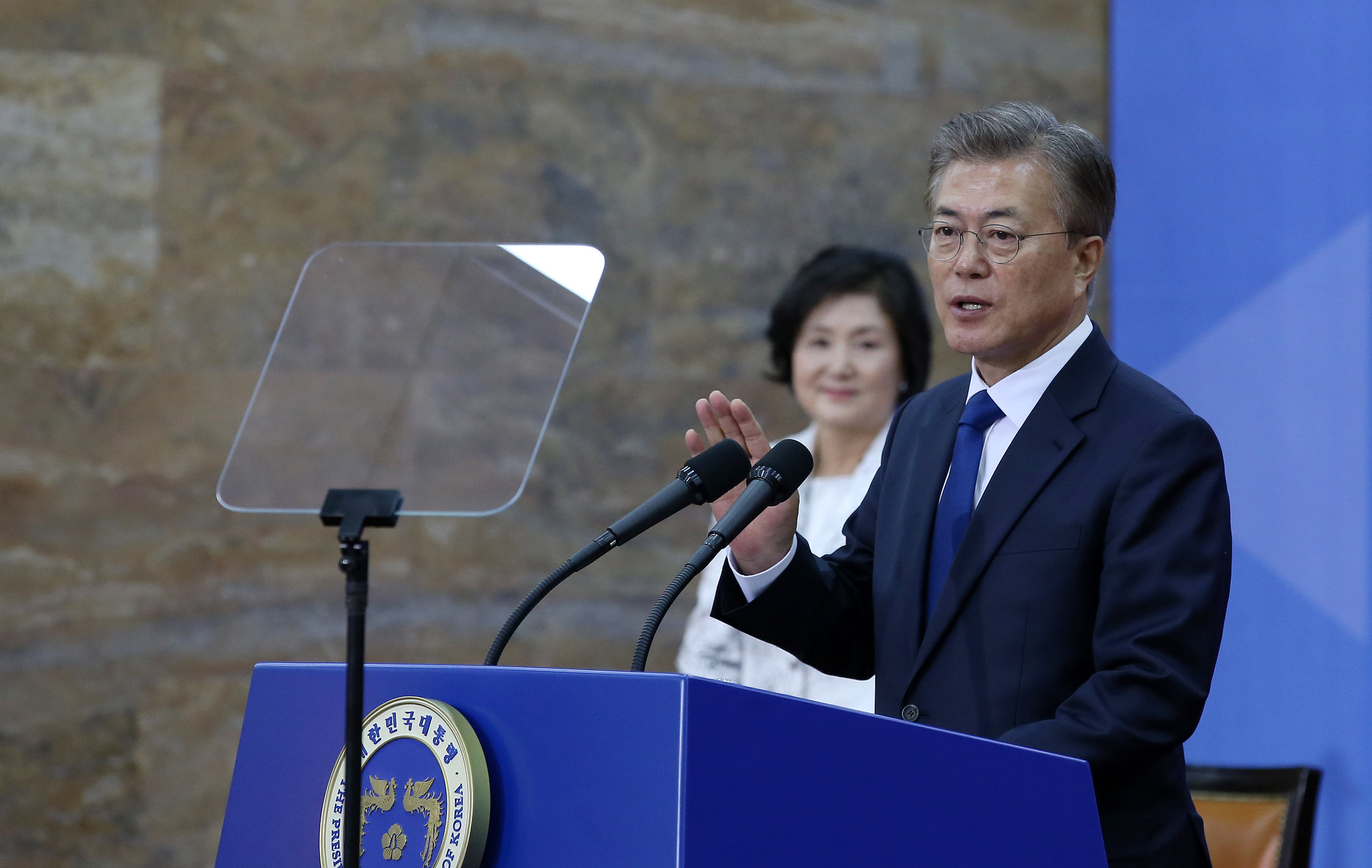
By paying little attention to South Korea’s domestic politics, foreign policy circles in Washington carry a distorted understanding of Korea’s progressives.
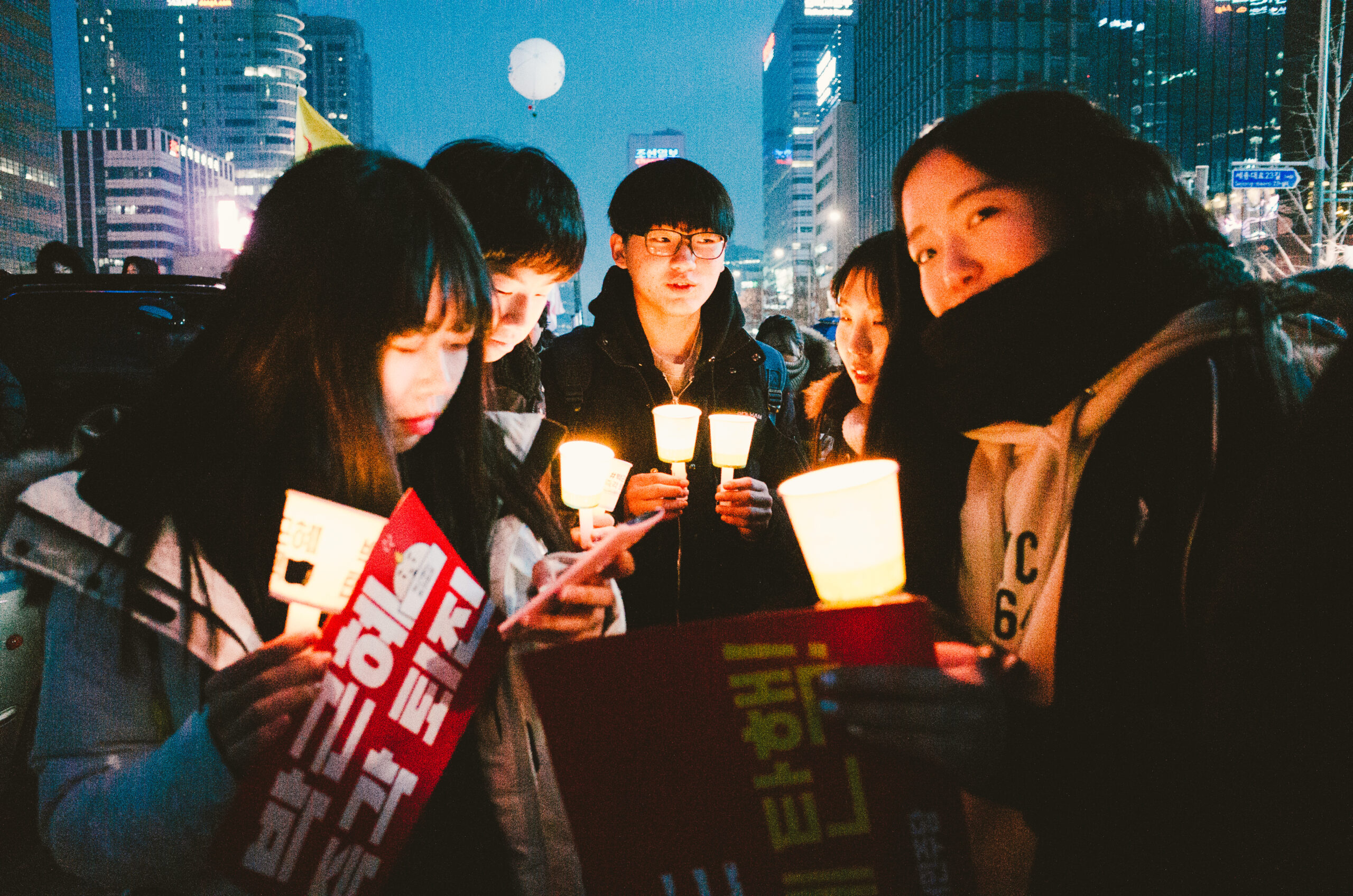
Outcomes from presidential elections over the past two decades suggest the youth vote is a nearly reliable predictor of victory, but that support is not guaranteed for either party.
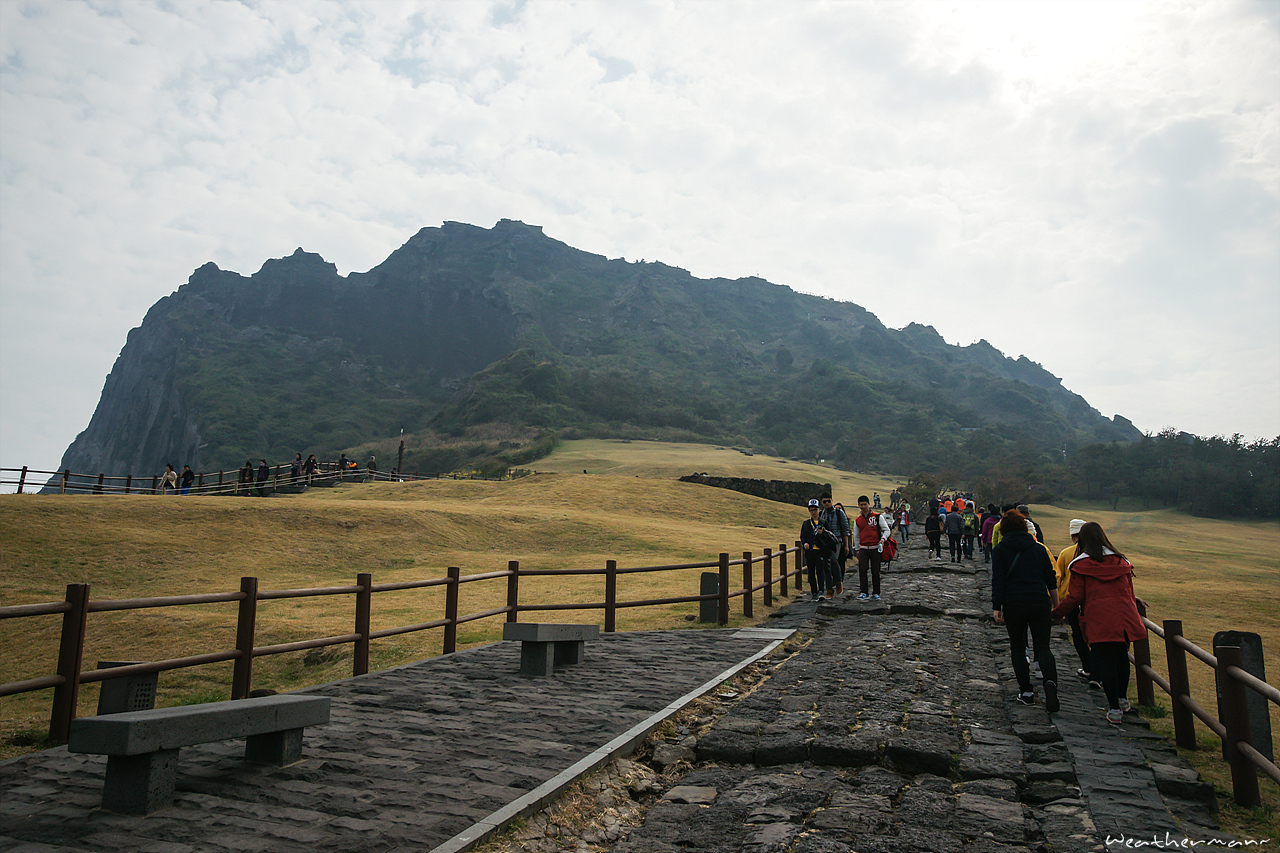
The Moon administration’s effort to recognize the victims of the Jeju Uprising shows that South Korea is committed to addressing historical issues.
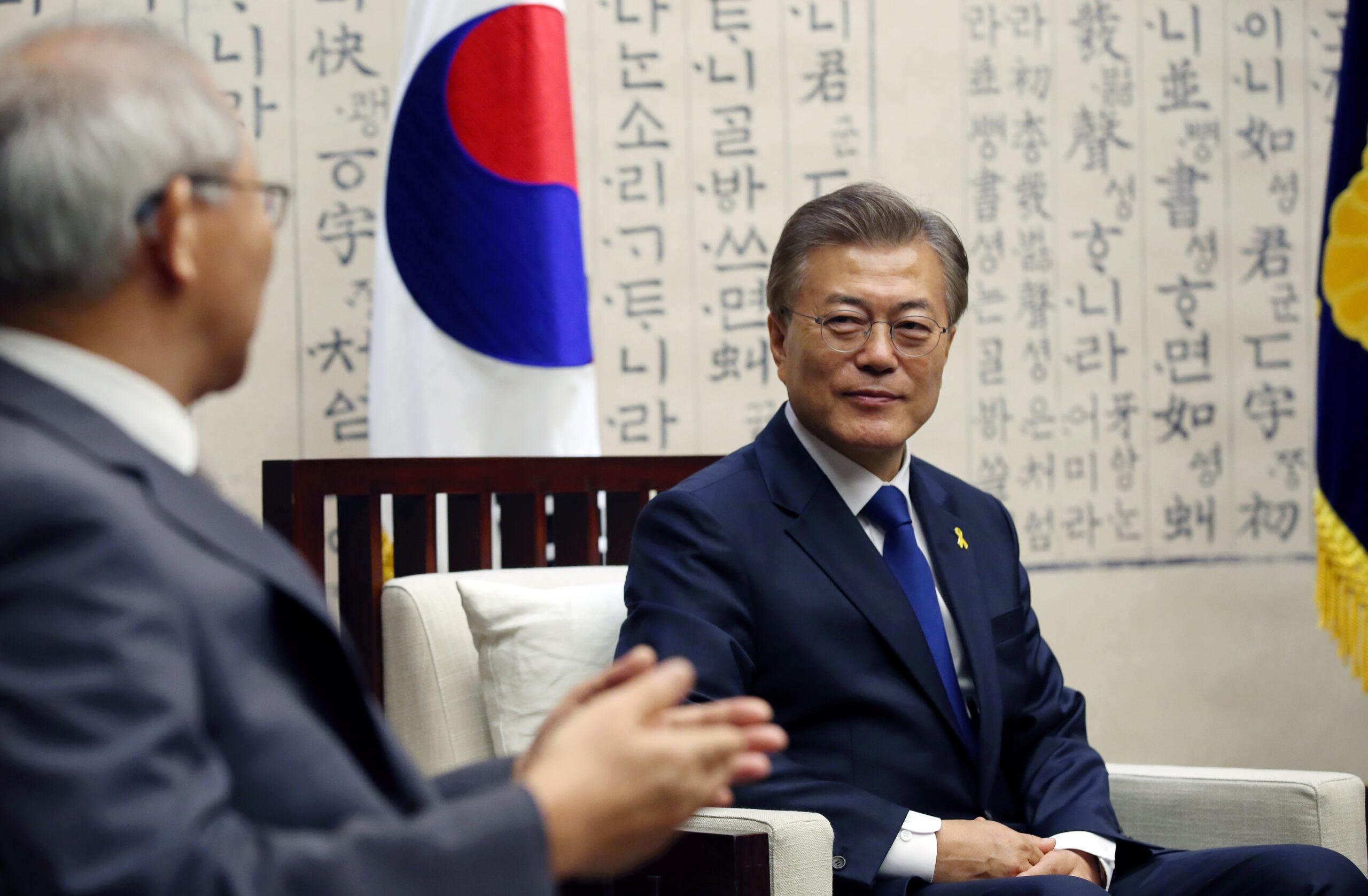
Opinion polls show growing support of critics of the Moon administration and the main opposition People Power Party (PPP).
Legacies of past corruption scandals have elevated South Korean public demand for government accountability, overriding long-standing political opposition.