Seoul’s Data-Driven Priority Setting
In the backdrop of an unresolved pandemic, the Education Ministry increases school attendance ahead of schedule in response to new data.

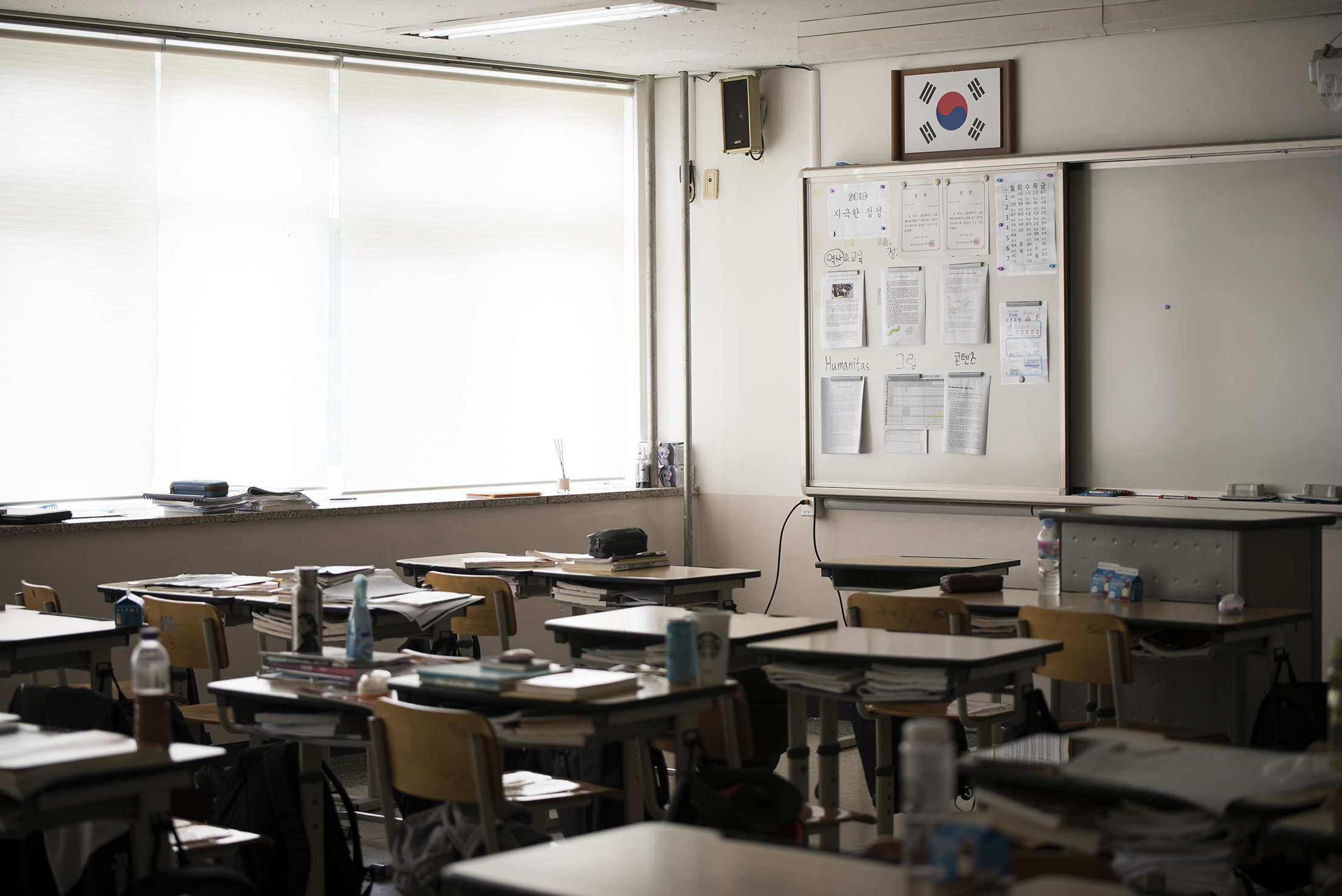
In the backdrop of an unresolved pandemic, the Education Ministry increases school attendance ahead of schedule in response to new data.

The high rate of mental illness among North Korean refugees suggests that more resources should be directed to other vulnerable communities.
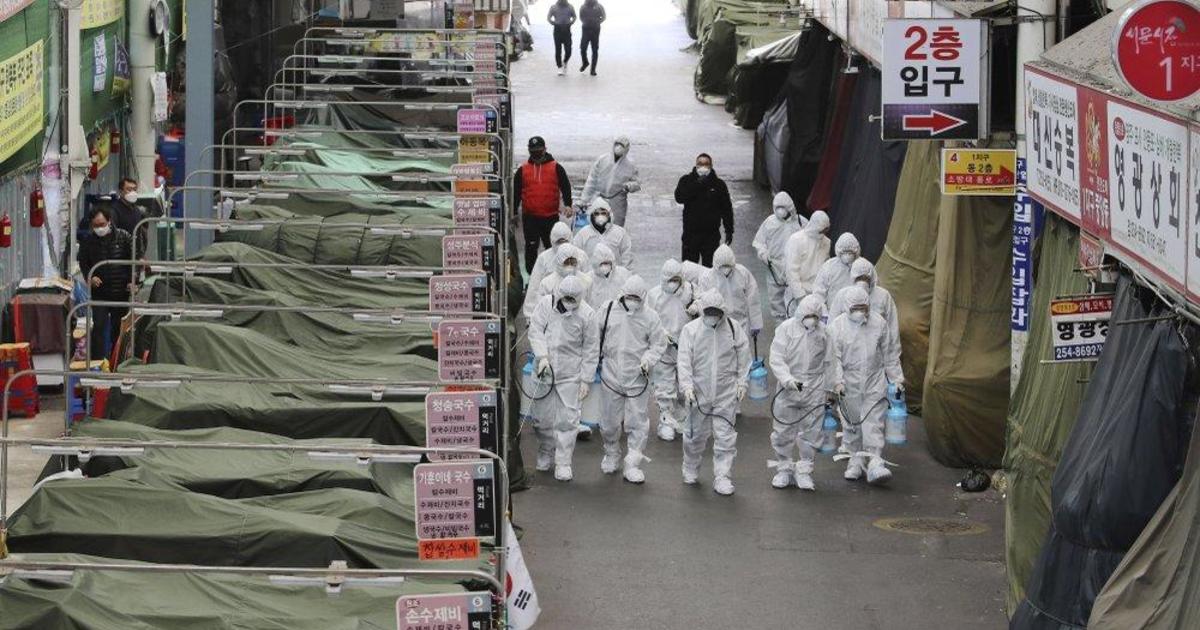
Difficulties created by the prolonged pandemic creates tensions between shop owners and public health authorities.
The government faces pressure from the business community to accelerate the vaccine distribution plan despite concerns around the drugs’ potential risks.
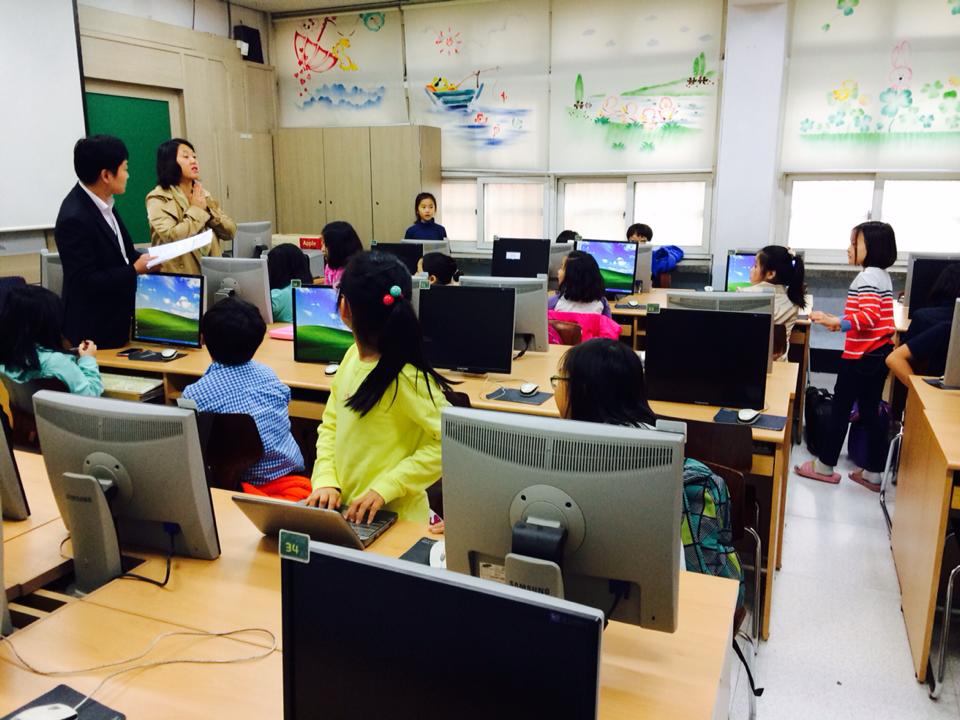
Civilian participation in disseminating information on the coronavirus reveals the unintended benefits of public investment in software education.
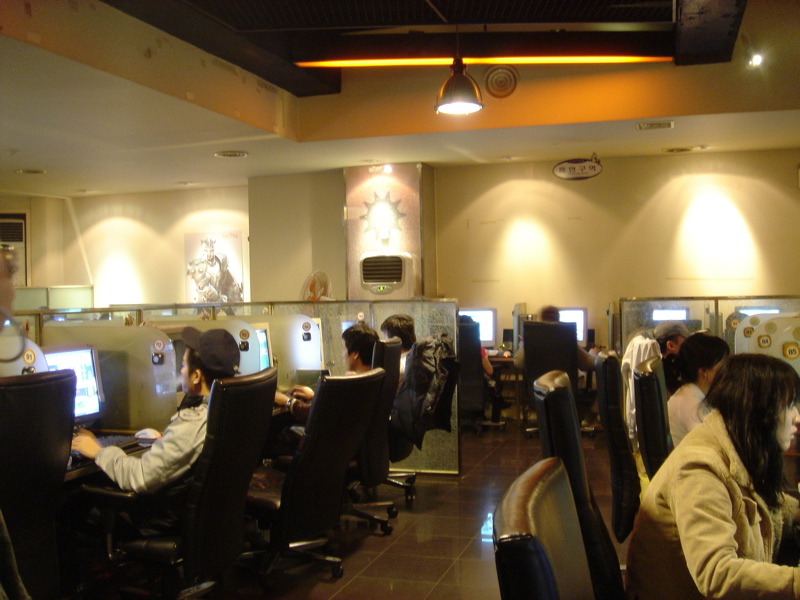
South Korea struggles to strike a balance between promoting an industry that has major growth potential and public health concerns outlined by the WHO.
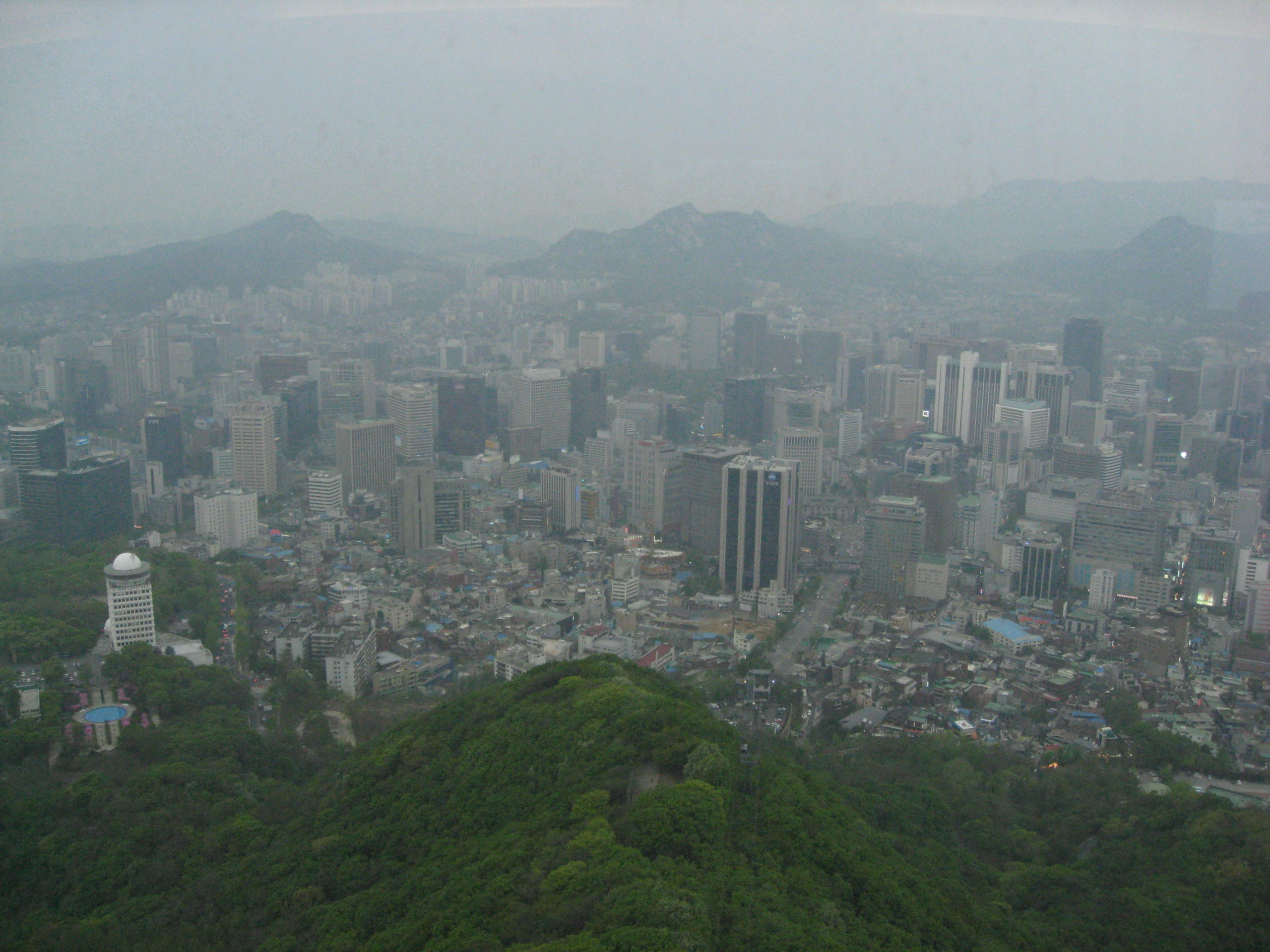
As Korea braces for another season of heavy fine dust, questions remain on whether the government’s new policies are addressing the root of the problem.
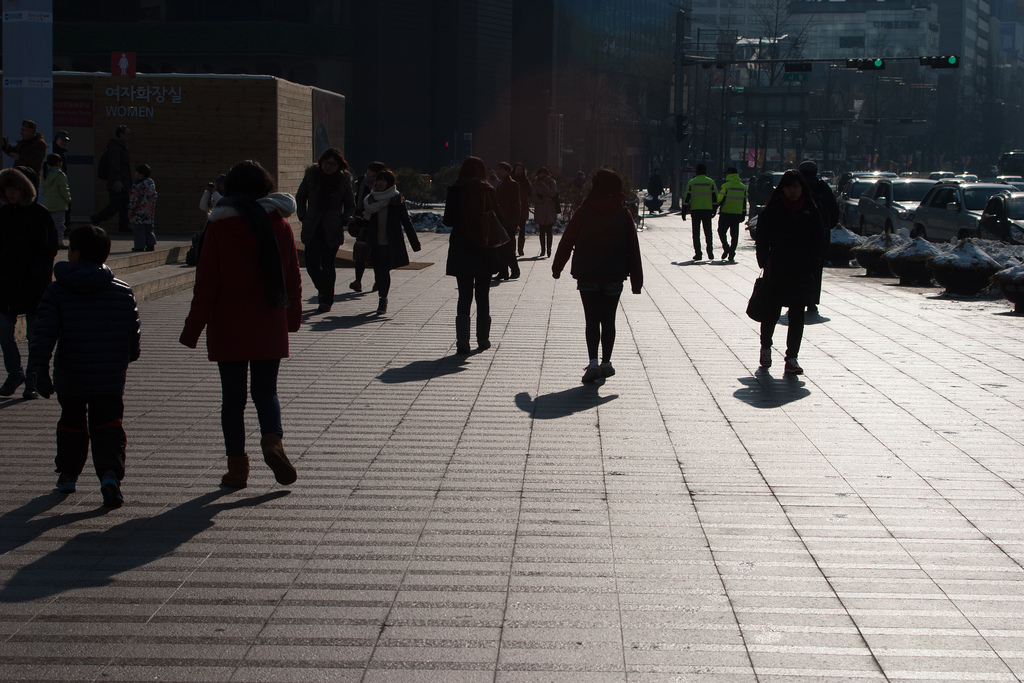
South Korea, despite its status as a developed nation under the OECD, ranks poorly on mental health statistics among similar countries of its caliber.
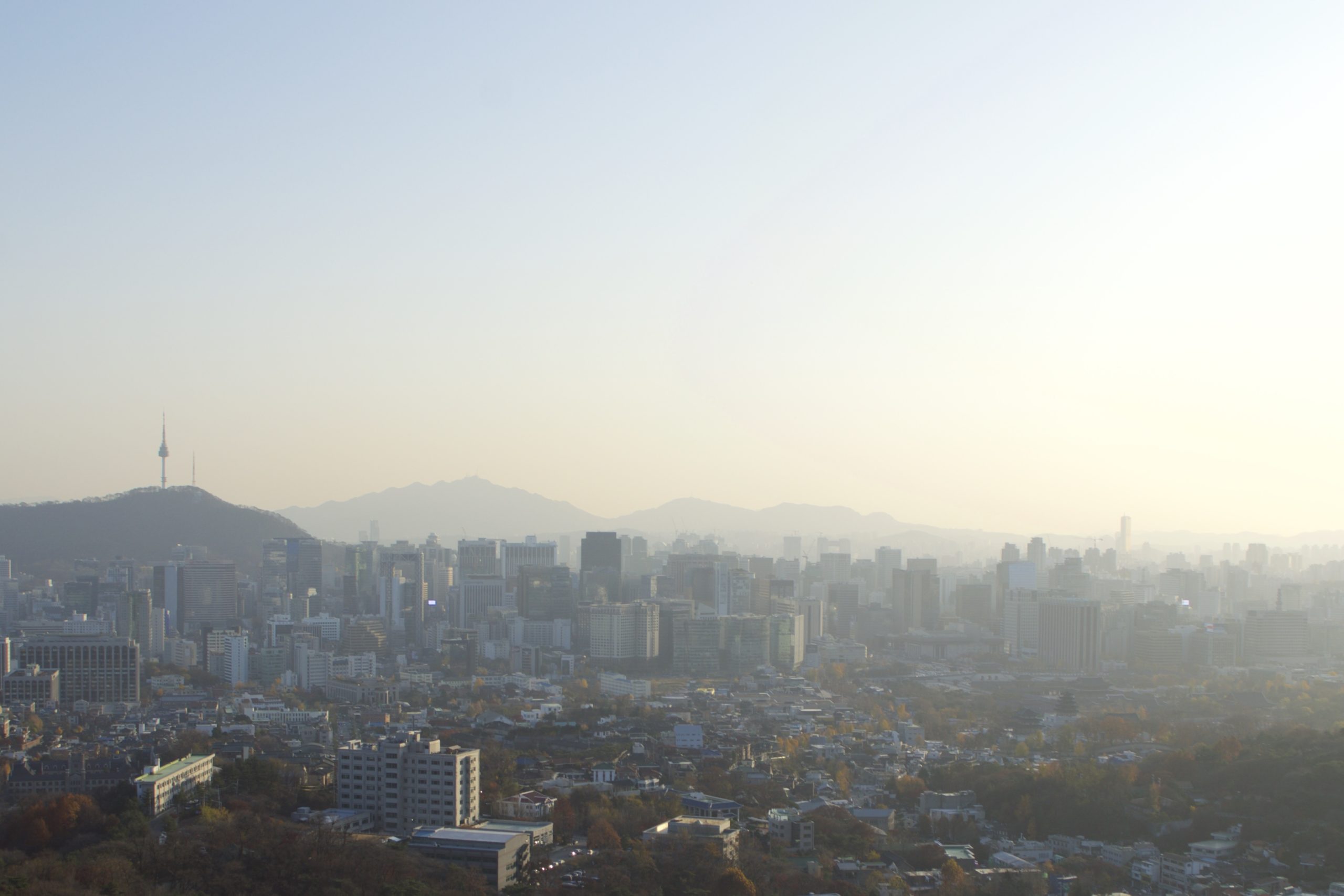
Dangerously high levels of particulate matter in the air prompted emergency measures from the Seoul city government this week.