Pyongyang’s Deficit Soars: Won Steady But for How Long?
ICBMs are not the only things soaring in North Korean skies. Comprehensive second quarter data released by China Customs last week shows a huge jump in North Korea’s trade deficit with China.

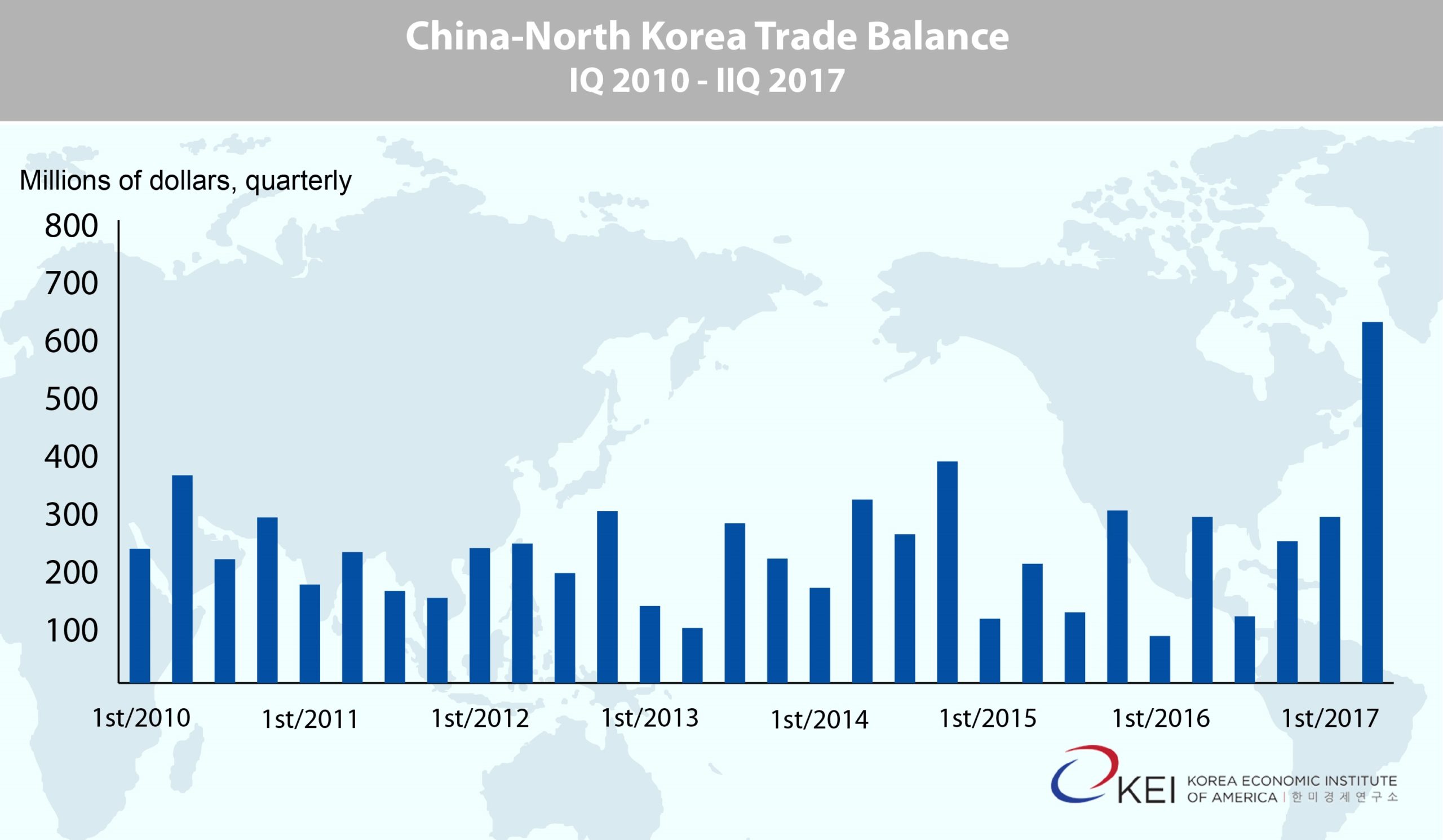
ICBMs are not the only things soaring in North Korean skies. Comprehensive second quarter data released by China Customs last week shows a huge jump in North Korea’s trade deficit with China.
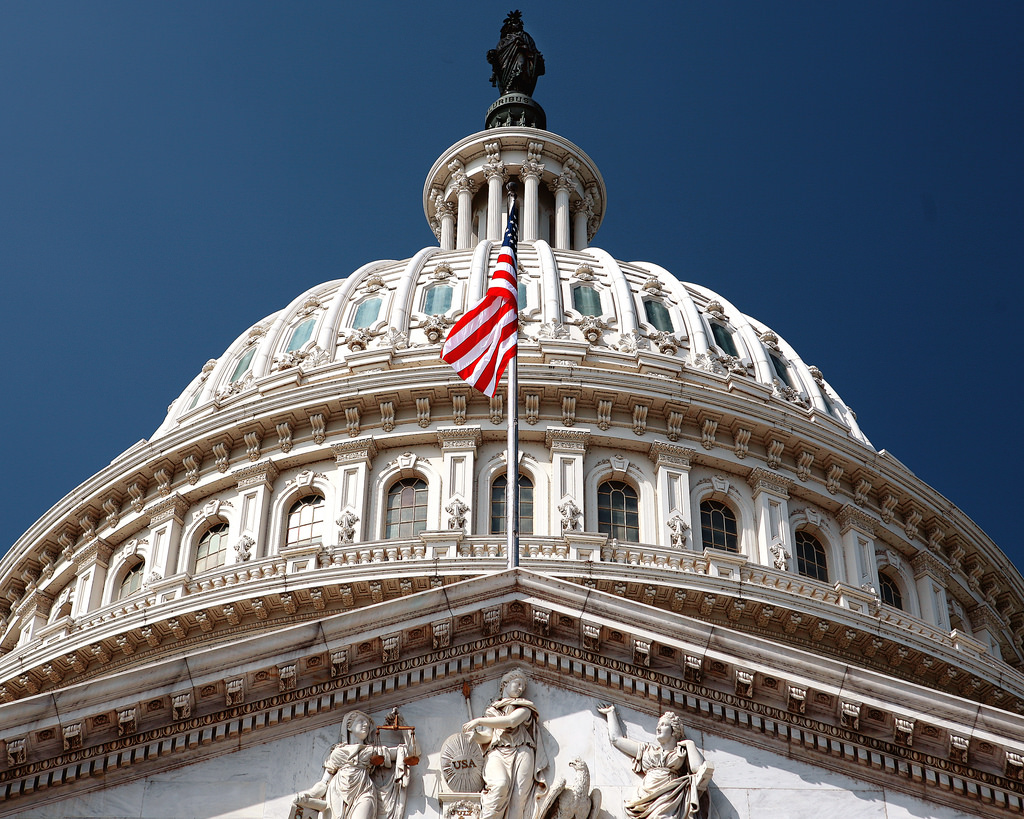
Last week, the House of Representatives and the Senate overwhelming passed and sent to President Trump’s desk a new sanctions bill for his expected signature.
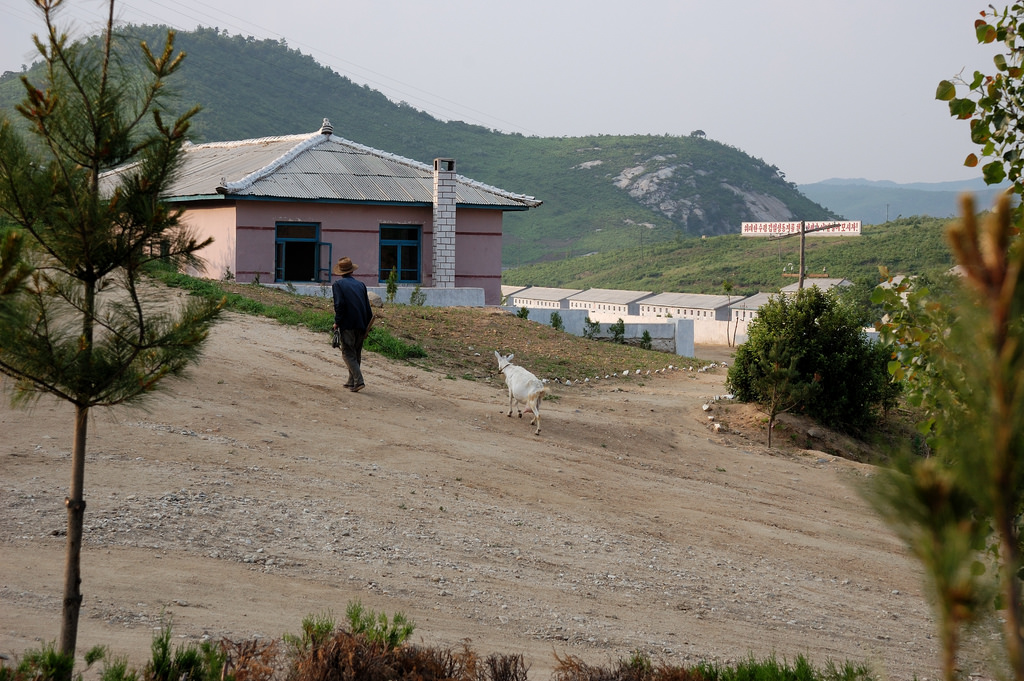
Just a few days ago, the UN Food and Agriculture Organization (FAO) issued a report that North Korea is facing its worst drought in 16 years.
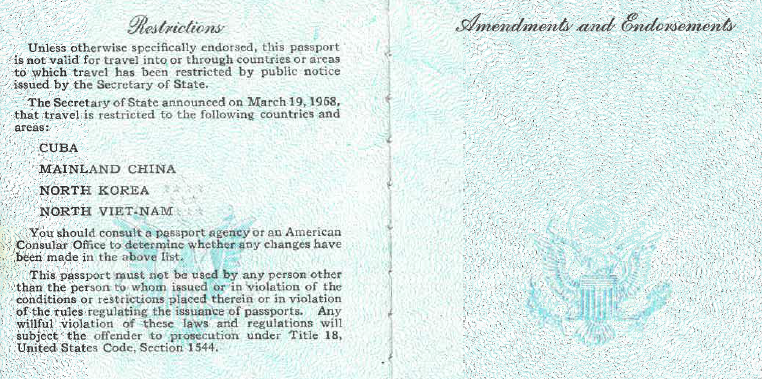
According to news reports, the State Department will soon publish a new regulation to ban Americans from visiting North Korea for tourism.
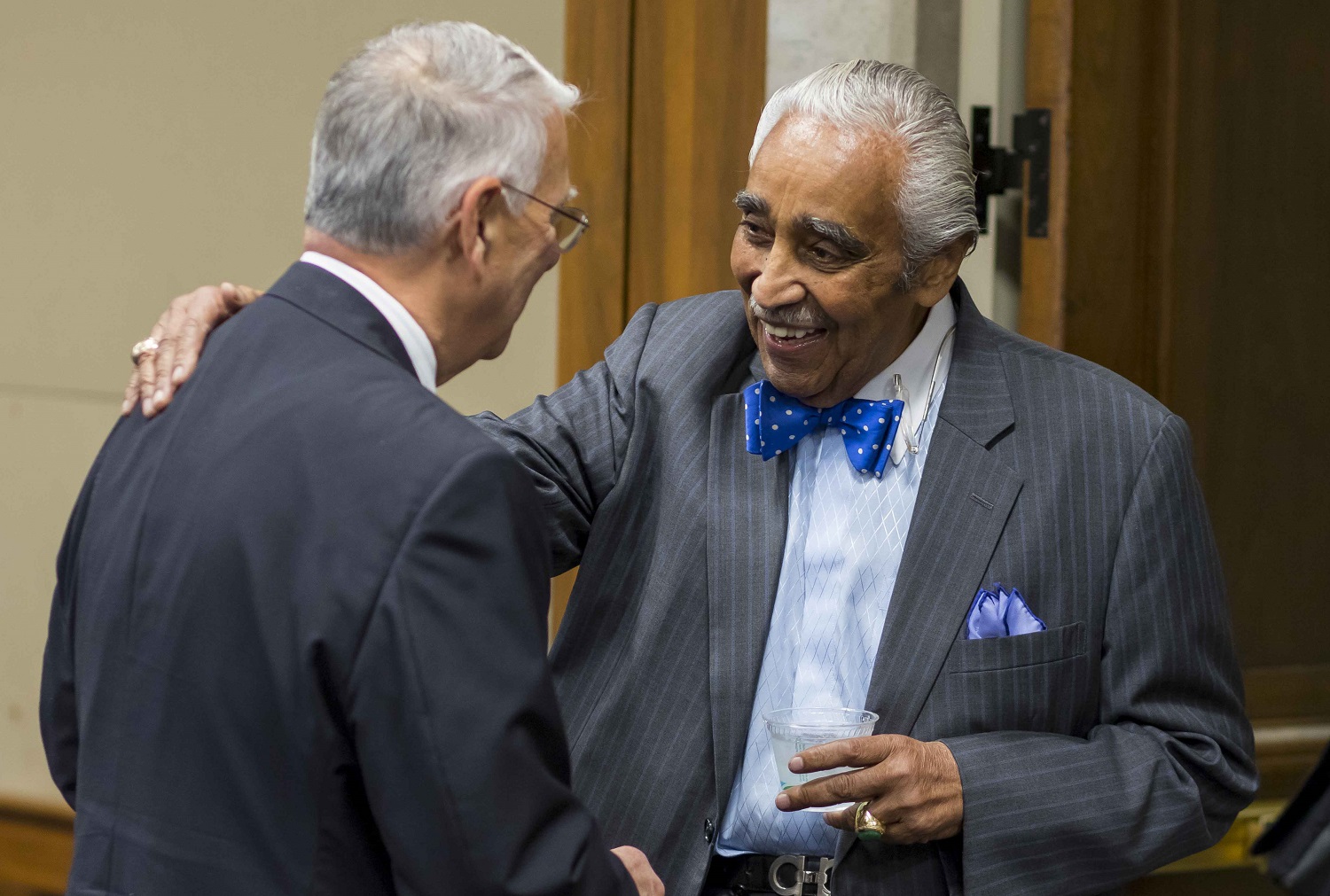
KEI President Donald Manzullo, a former member of the House of Representatives, recently interviewed Charlie Rangel, a former Congressman from New York and a Korean War Veteran, for the KEI podcast.
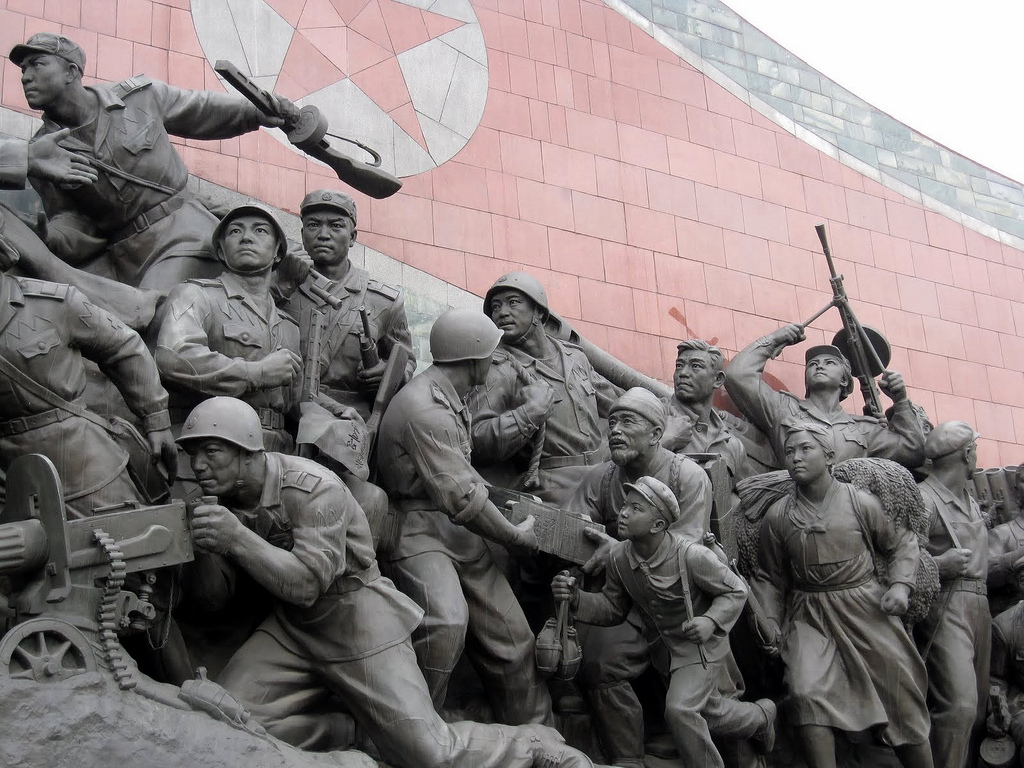
It usually takes some time to figure out the details of what a North Korean missile test has accomplished – what type of missile it was, how it performed, its capabilities – but from the initial information regarding North Korea’s July 4th missile test, it appears that they have successfully tested an Intercontinental Ballistic Missile (ICBM).

Former NBA star Dennis Rodman made his most recent visit to North Korea at the same time American college student Otto Warmbier was medically evacuated to the United States after being imprisoned there for the last 17 months, and during the last 14 of those months he was in a state of “unresponsive wakefulness.”
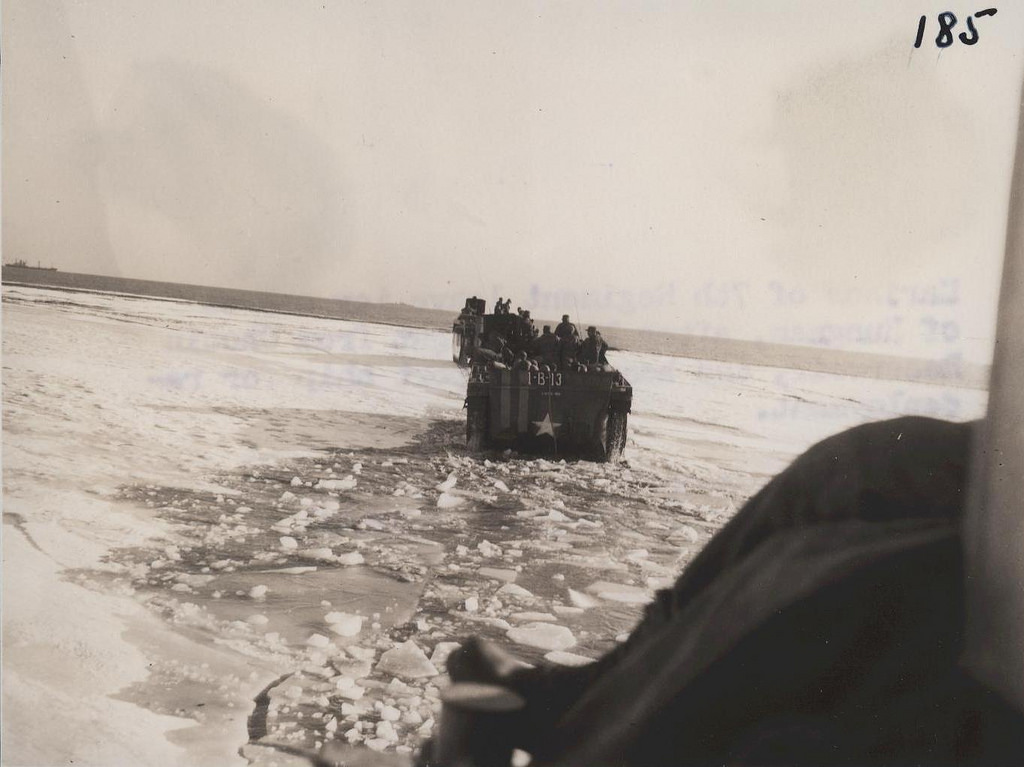
On December 19 1950, the SS Meredith Victory, a 7,600-ton merchant marine vessel, was about to leave from the North Korean port city of Hungnam. Hundreds of thousands of refugees flocked to the pier at Hungnam as the bombing of the Chinese army came closer.
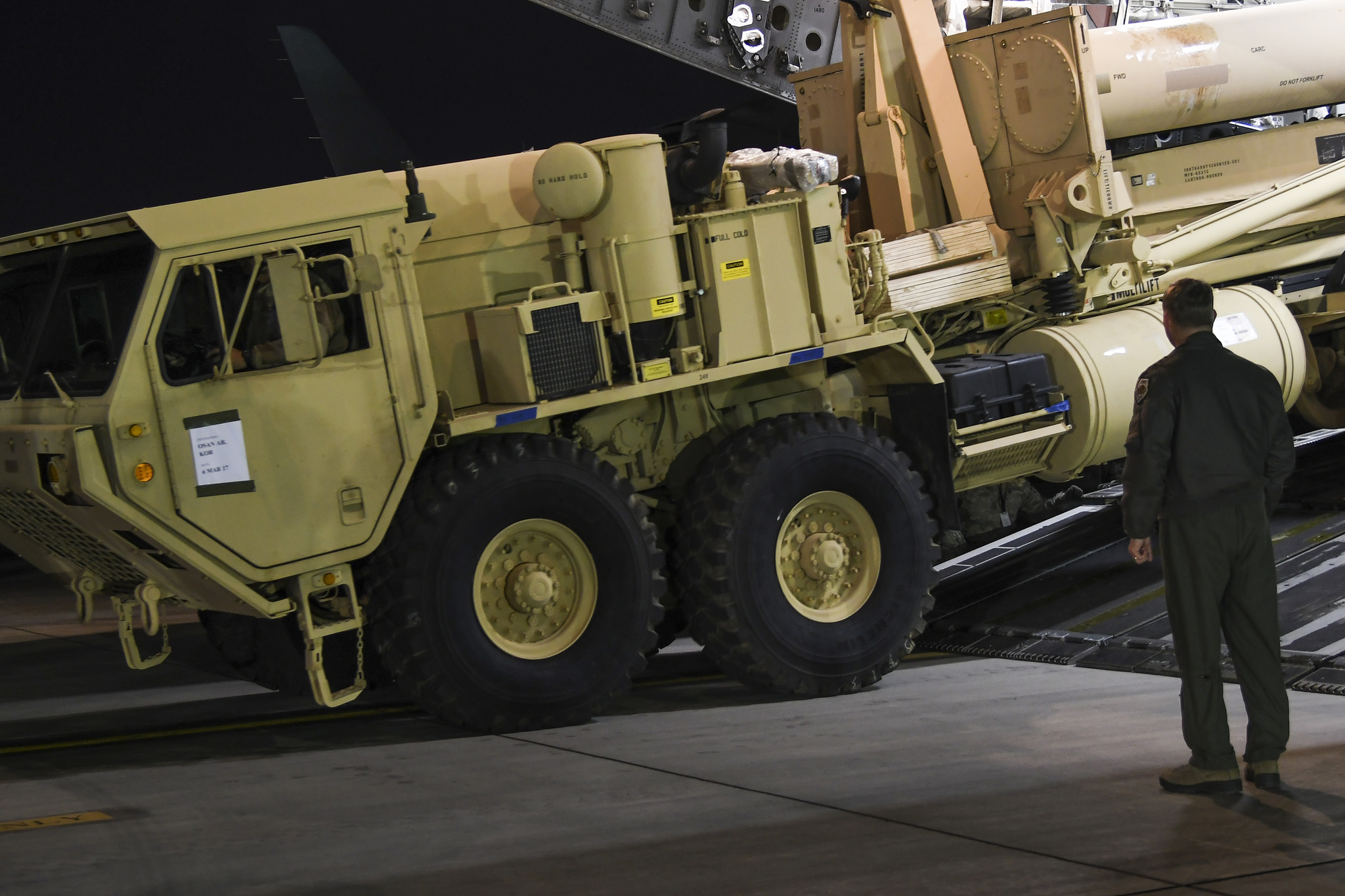
KEI Communications Director Jenna Gibson, host of the KEI podcast Korean Kontext, recently interviewed Yun Sun, Senior Associate with the East Asia Program at the Stimson Center, about the Chinese perspective on the THAAD missile defense system.
On November 14th, Han Min-goo, the Minister of National Defense tentatively signed the General Security of Military Information Agreement (GSOMIA) with Japan.