The Kim-Putin Summit’s Impact on the Korean Peninsula
The US and South Korea have raised concerns over the growing confluence of Russia and North Korea in the wake of the Kim-Putin summit.

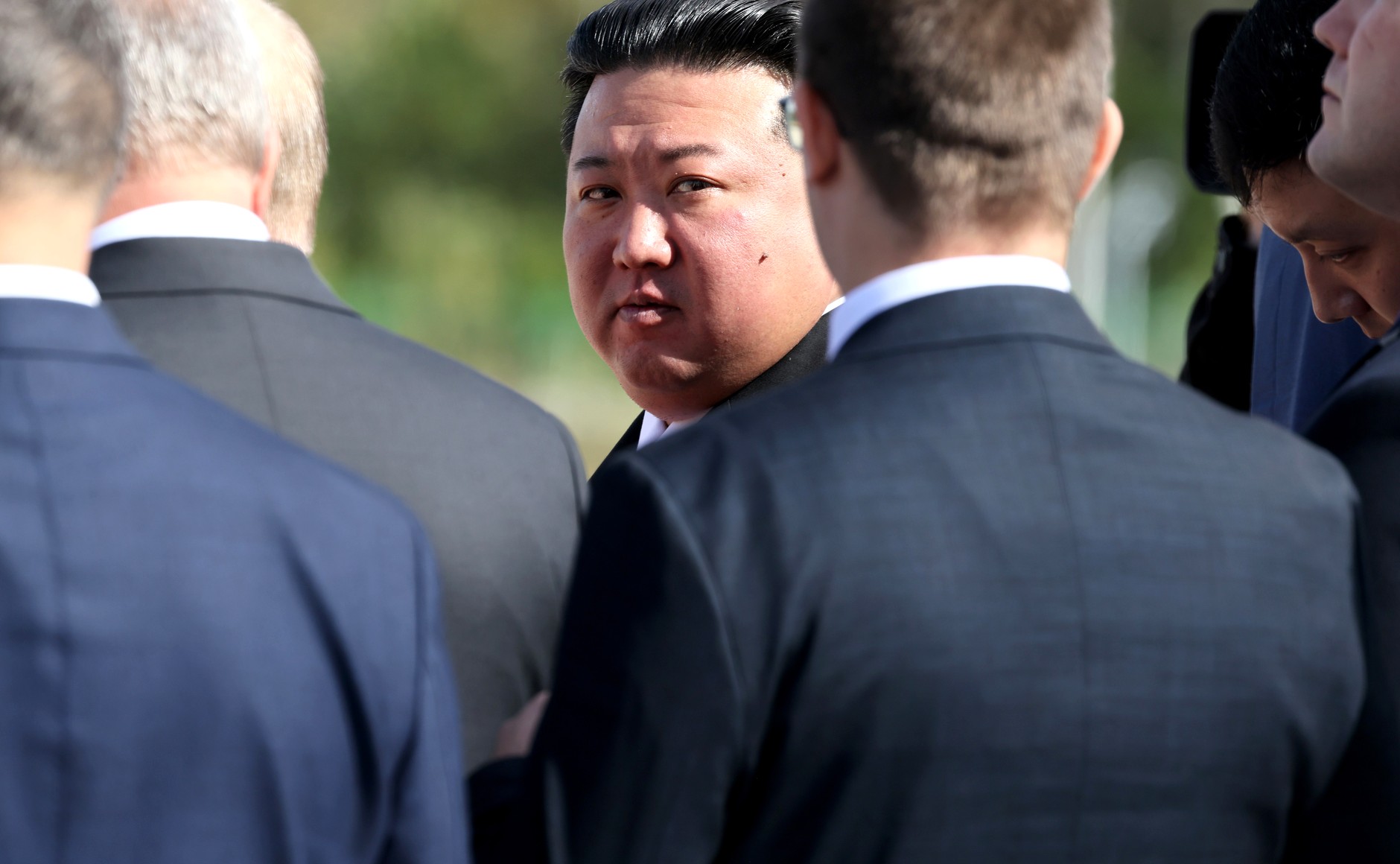
The US and South Korea have raised concerns over the growing confluence of Russia and North Korea in the wake of the Kim-Putin summit.
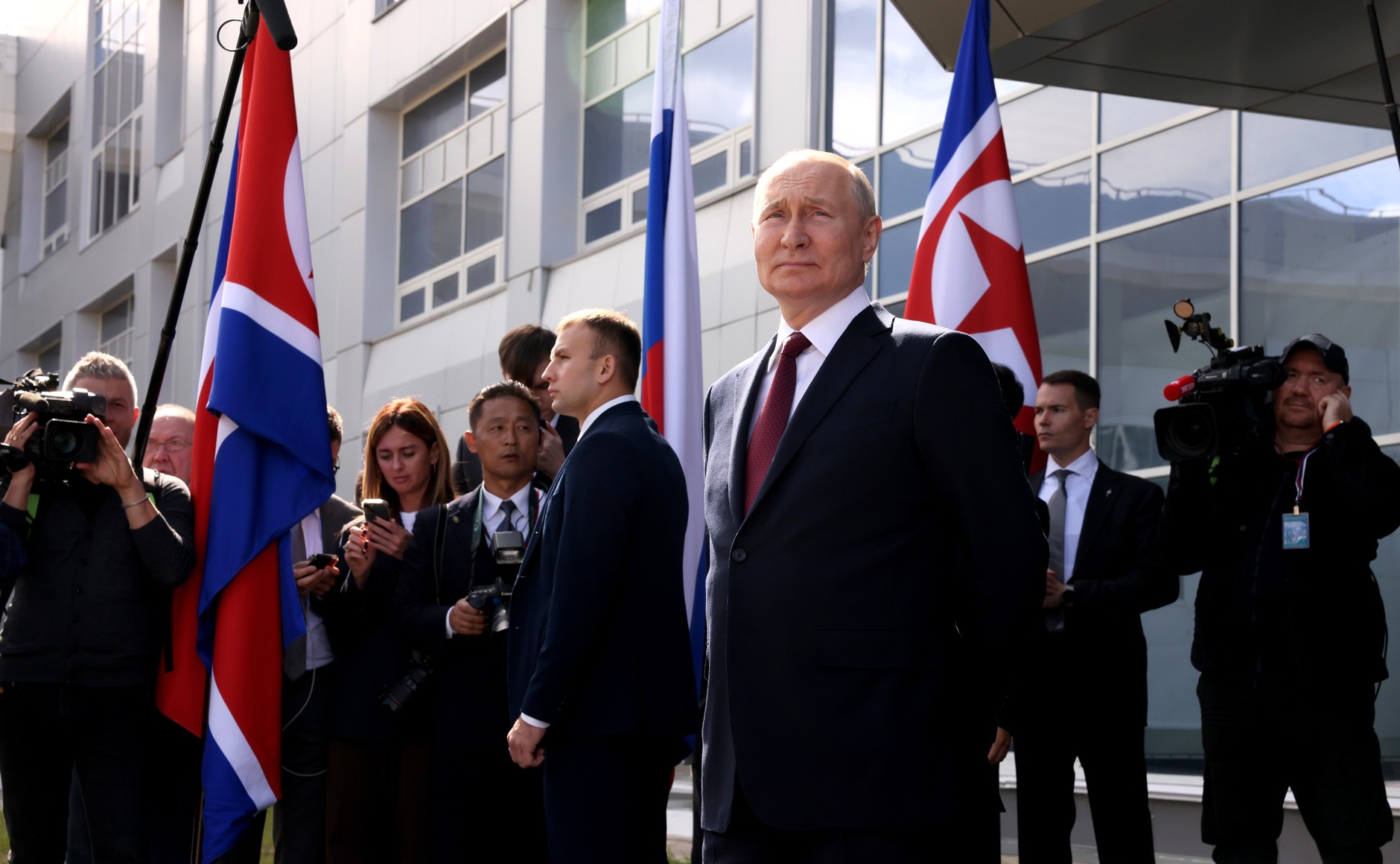
For the first time in over four years, Kim Jong-un traveled outside North Korea for an in-person meeting with Vladimir Putin.
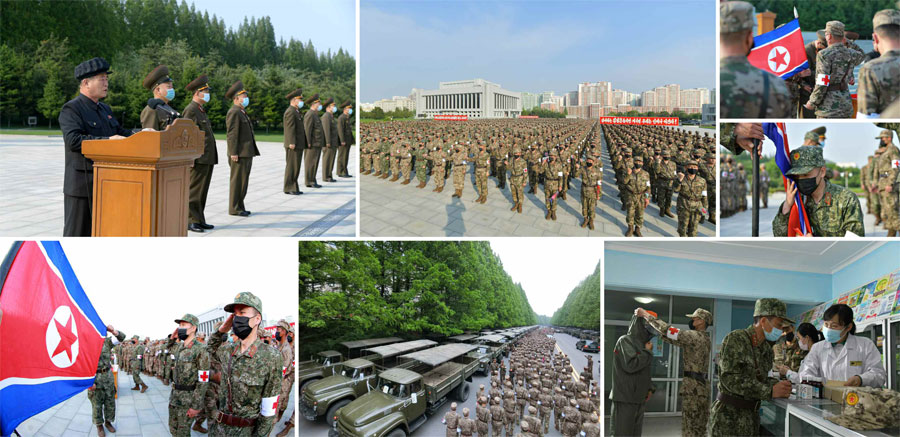
The mass mobilization of medical personnel suggests Pyongyang is deeply concerned about the outbreak but it may not be able to easily access outside help.
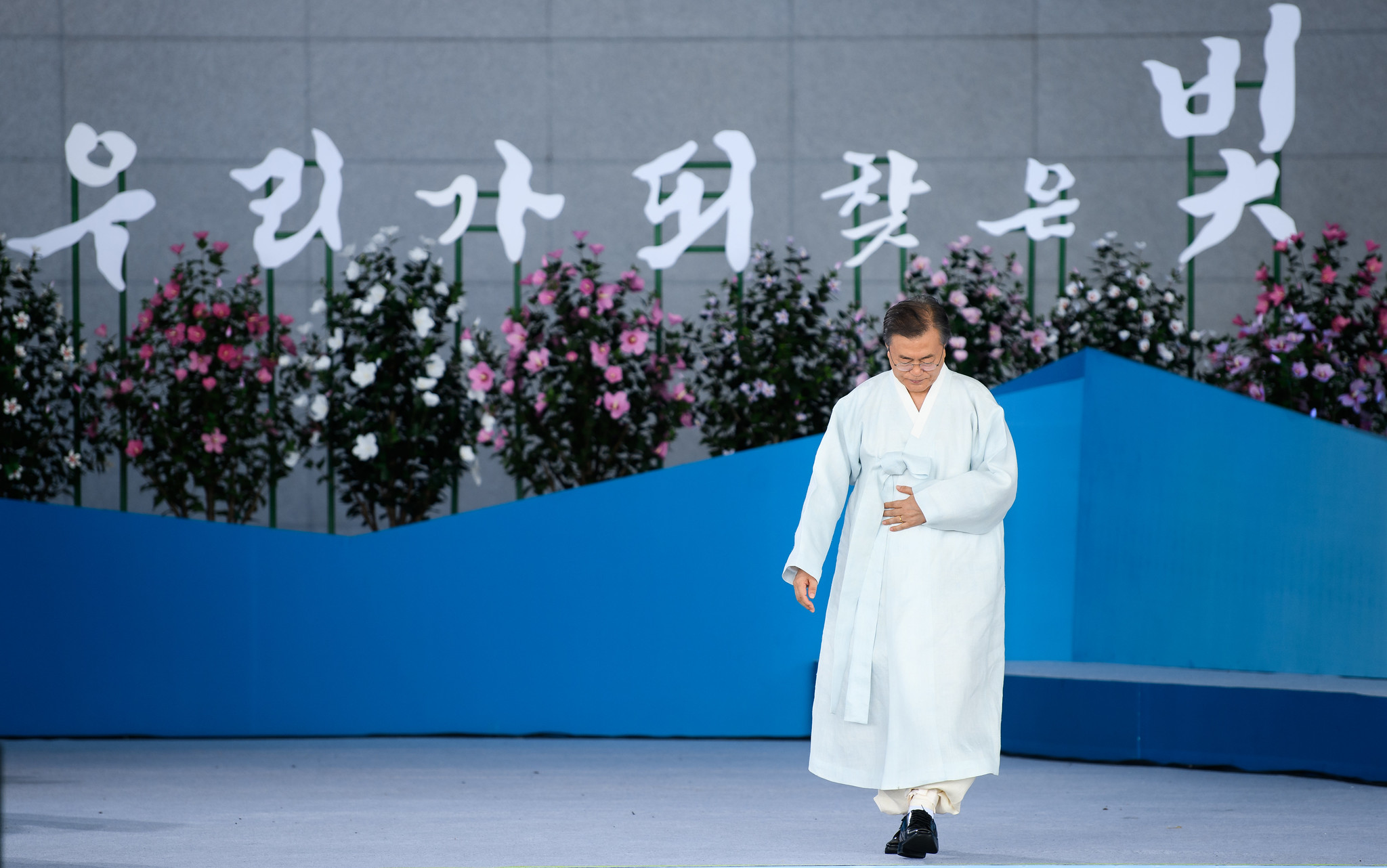
Pragmatism represents a common theme in South Korea’s liberal foreign policy, responding to external pressures as well as internal constraints.
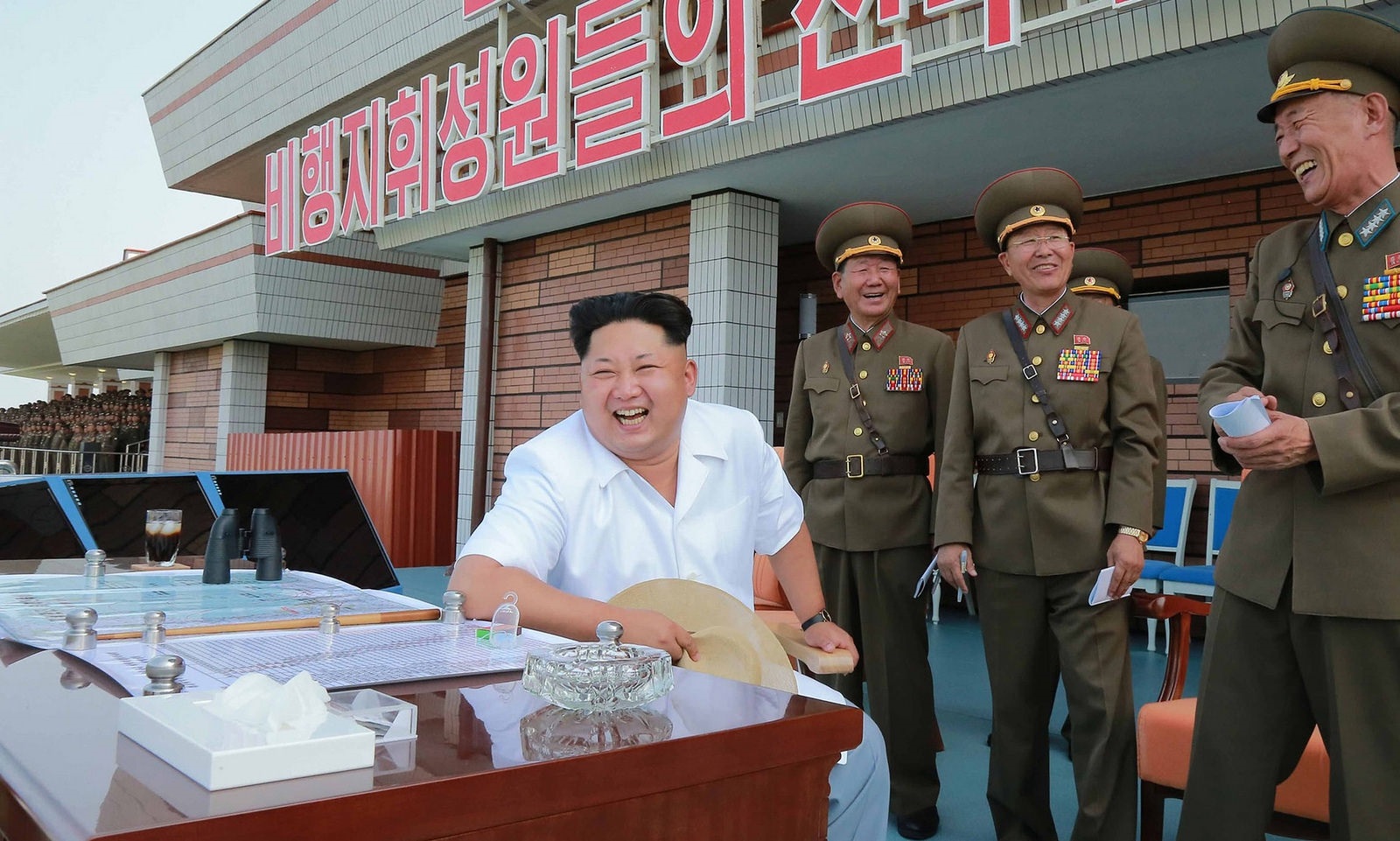
There is a long tradition of considering North Korean leaders’ public appearances as a potential source of information on the regime’s priorities.
It is hard to find any silver linings in North Korea’s plenum report; it reads like a testimony to intellectual bankruptcy.
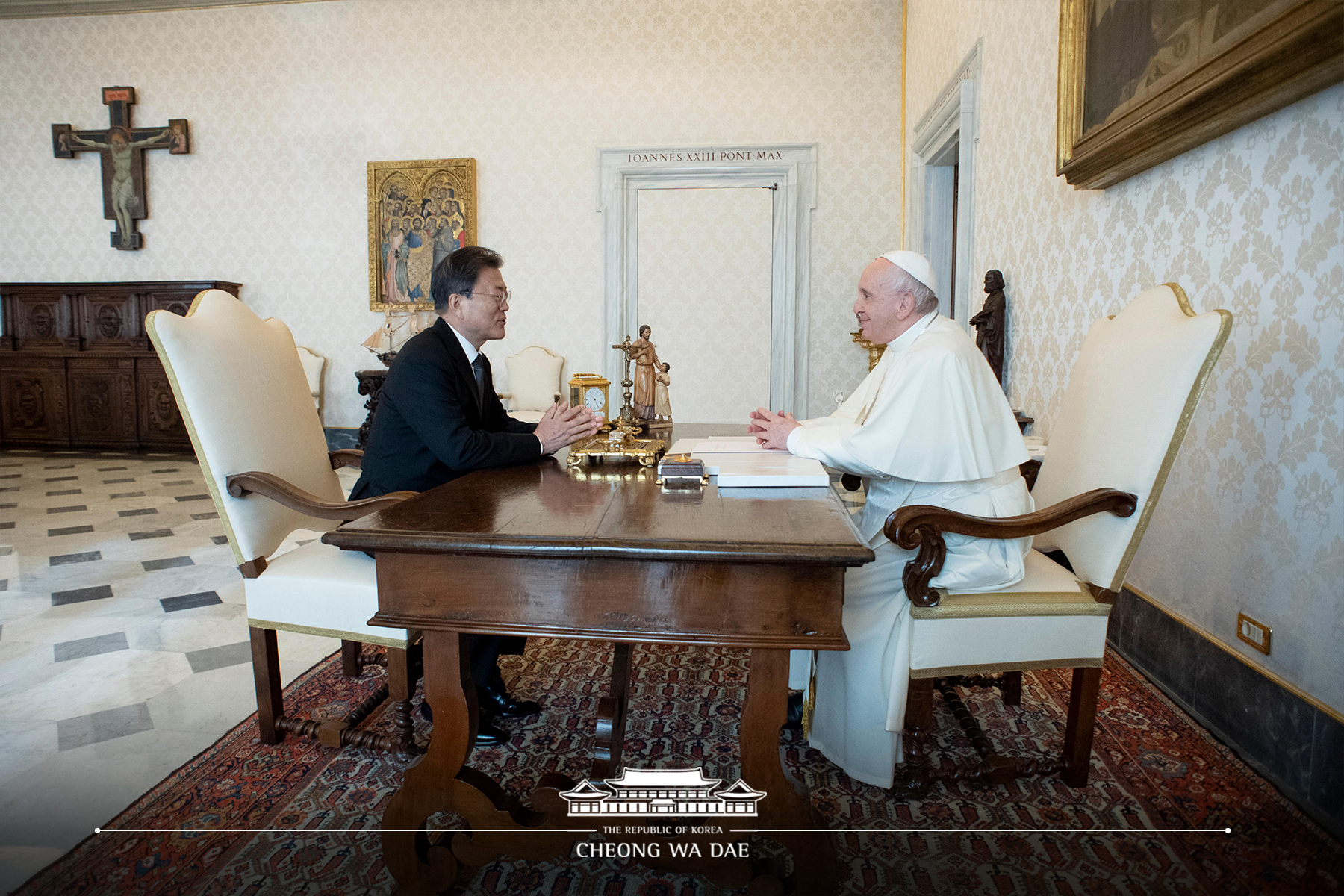
On the sidelines of the G20 in Rome, South Korean President Moon Jae-in encouraged a papal visit to North Korea to build momentum for peace.

Despite growing public indifference towards reunification, the South Korean administration seems to maintain a similar stance on North Korea.
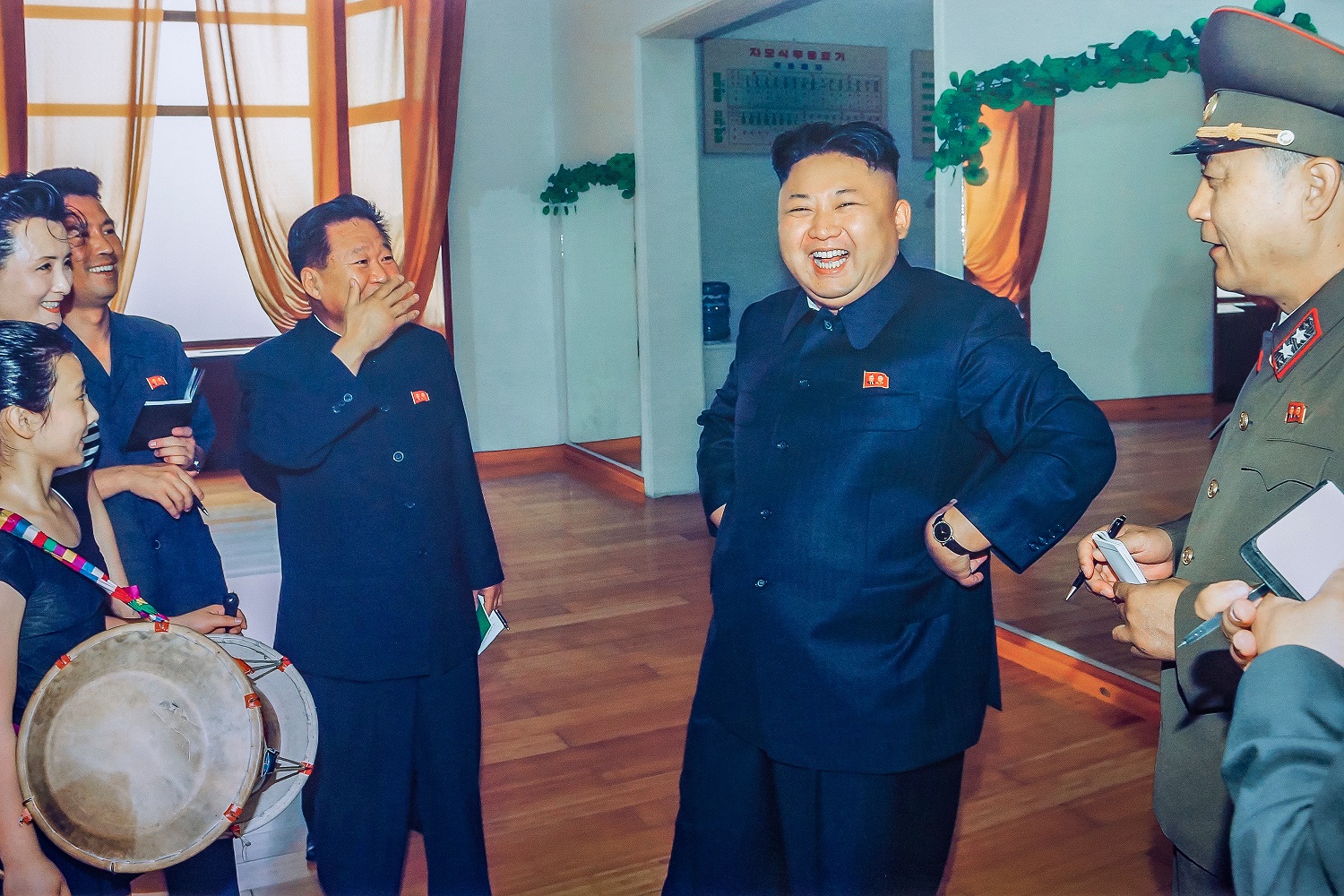
As individuals virtually unknown to outsiders become appointed to North Korea’s Politburo, what helps to explain their metoric rise to power?
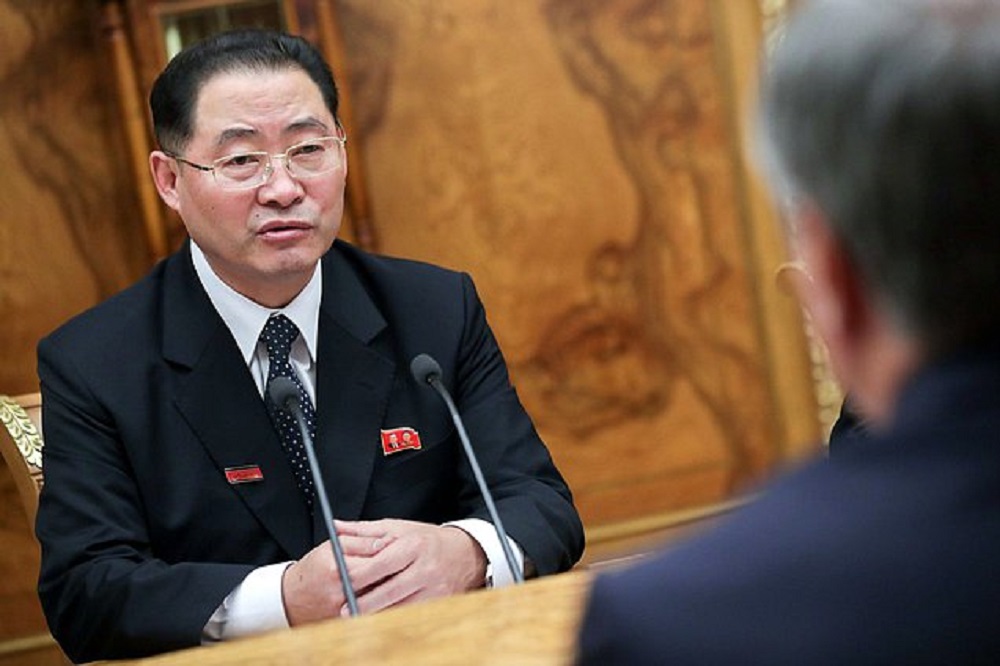
Recent appointments to North Korea’s Politburo straddle the economic-military divided and look something like China’s strategy of military-civilian fusion.