The Foreign Policy Outlook of South Korean Progressives: Part IV
Pragmatism represents a common theme in South Korea’s liberal foreign policy, responding to external pressures as well as internal constraints.

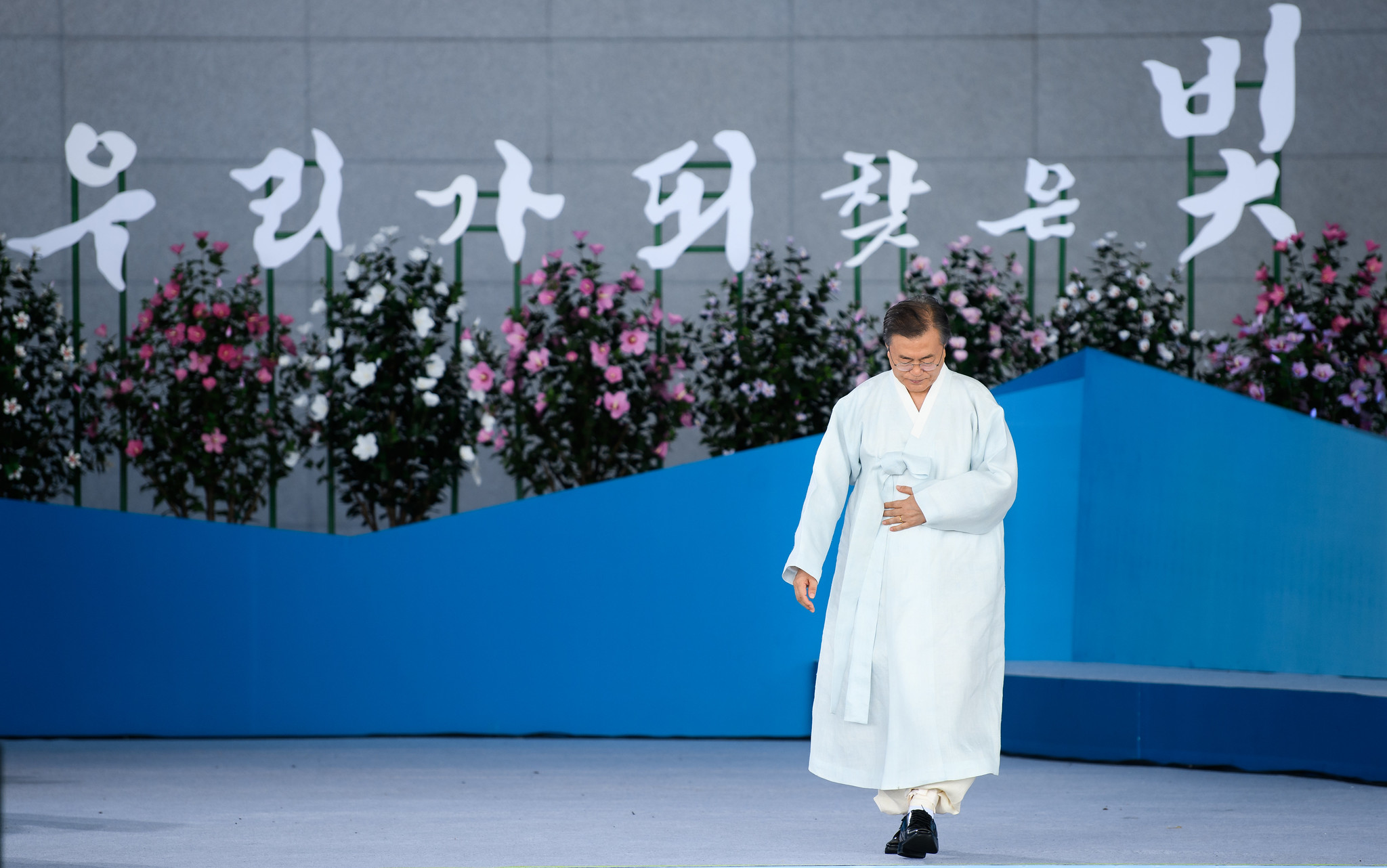
Pragmatism represents a common theme in South Korea’s liberal foreign policy, responding to external pressures as well as internal constraints.
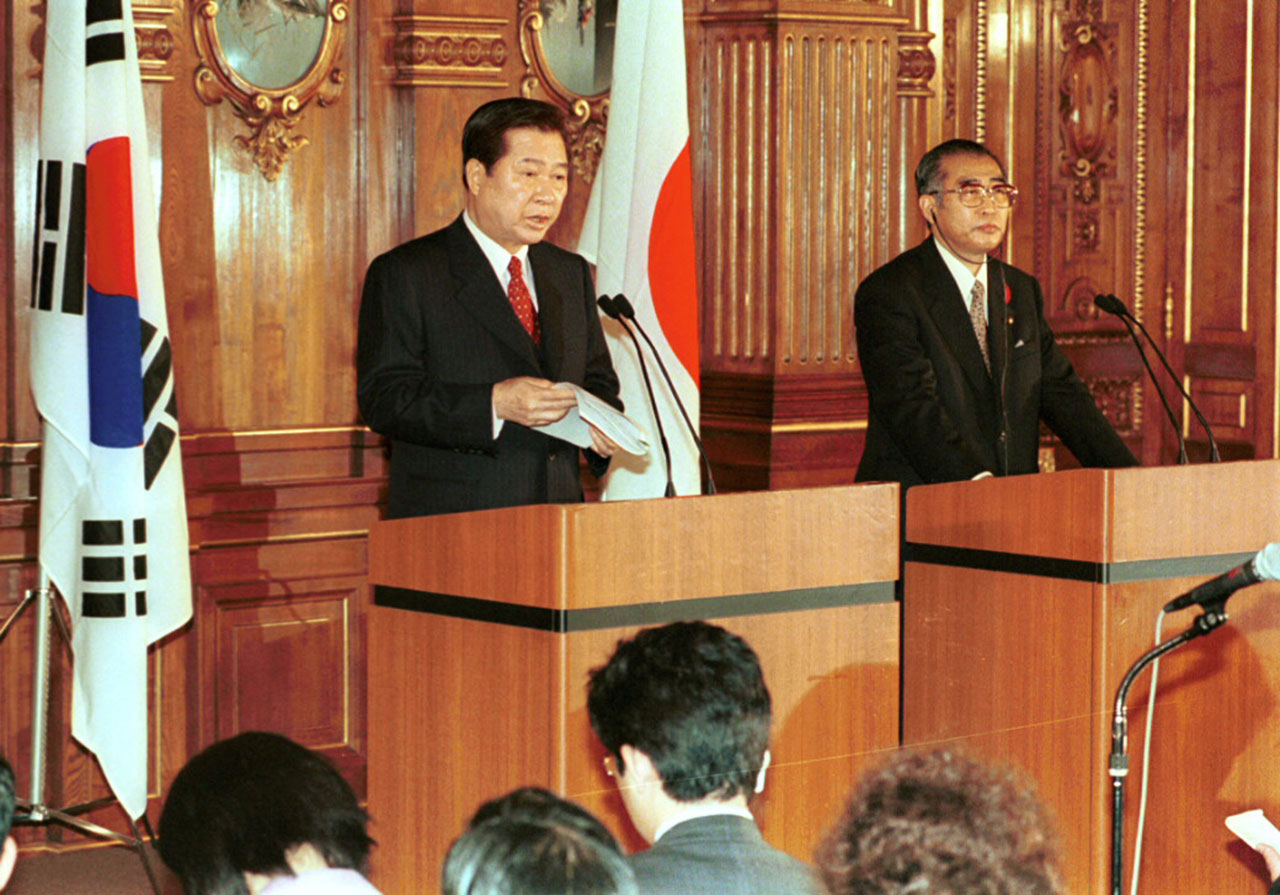
Many in DC view Korea’s liberal administrations as anti-American, but the foreign policy of Presidents Kim Dae-jung and Roh Moo-hyun says otherwise.
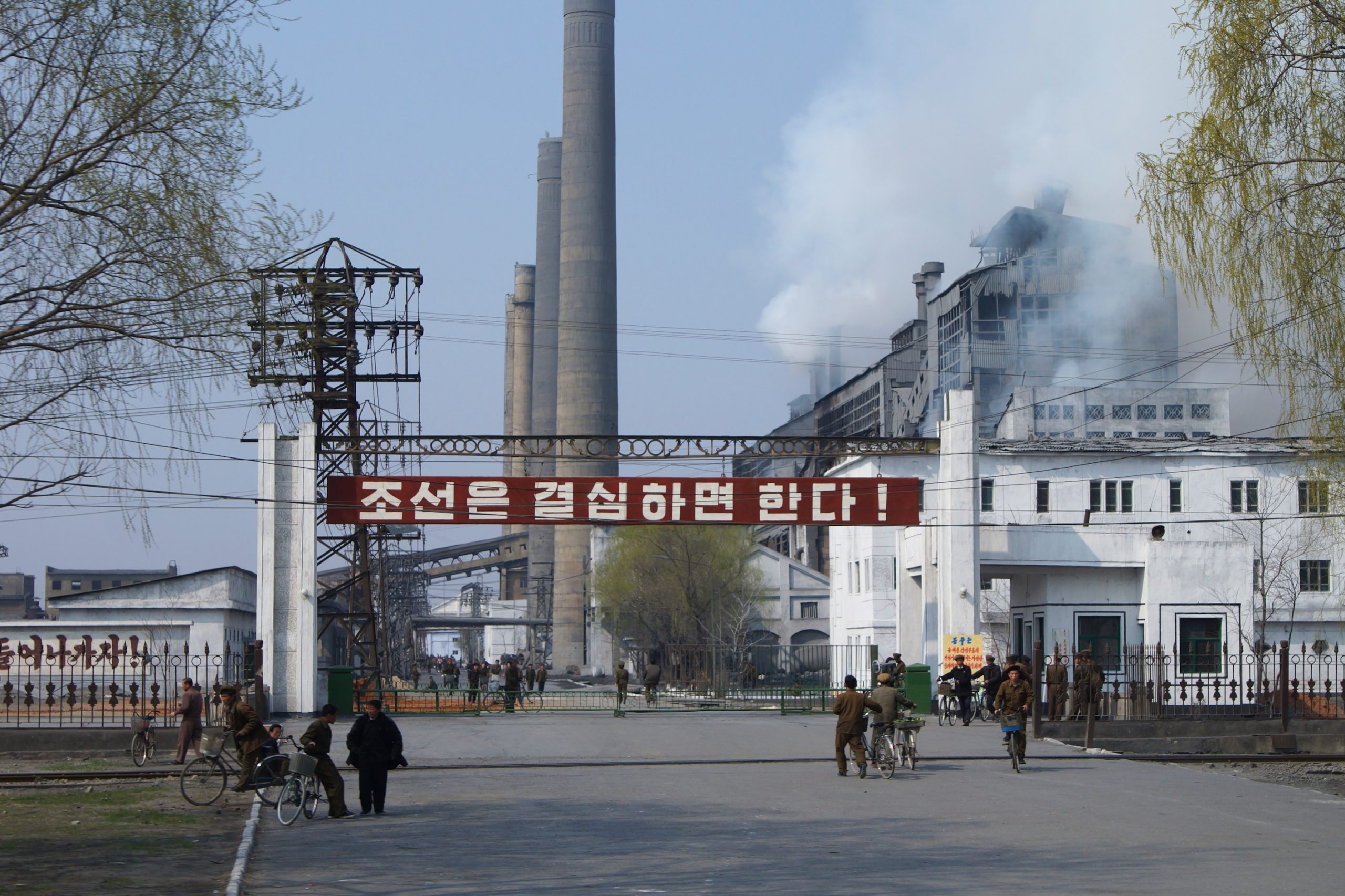
North Korea continues to rebuff South Korea’s overtures for diplomatic engagement despite promises of economic assistance.
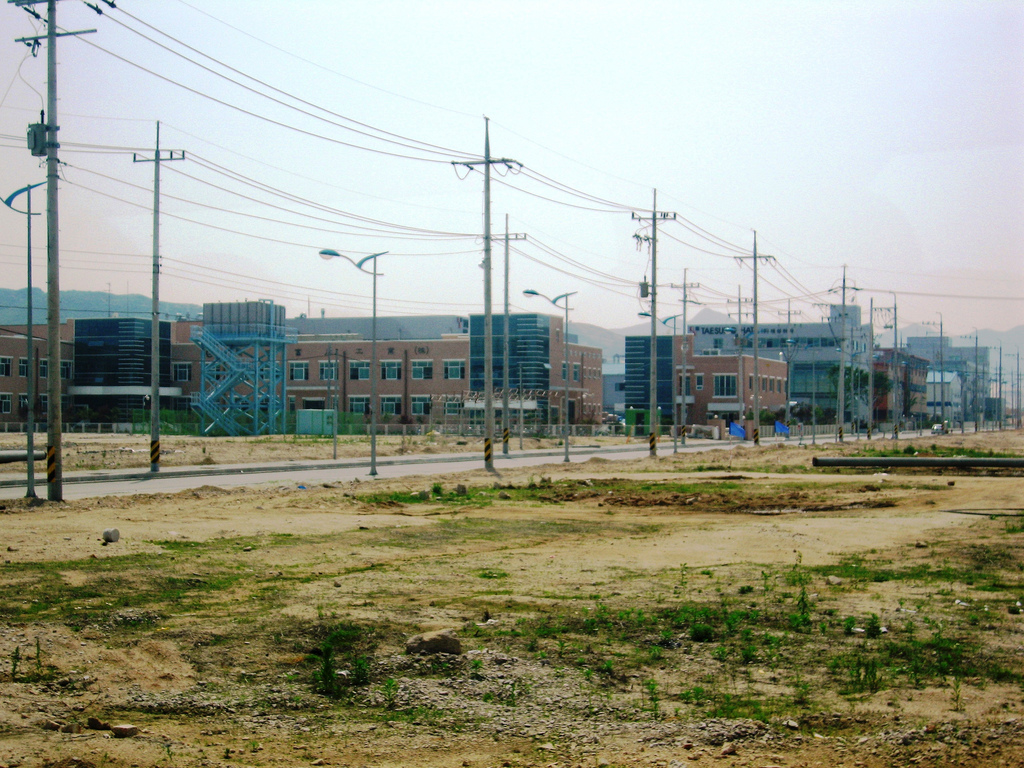
The sudden start to the inter-Korean peace process last year renewed interest in the resumption of joint economic activities like Kaesong, though there has been little indication if the complex will be open again in the coming months or years.
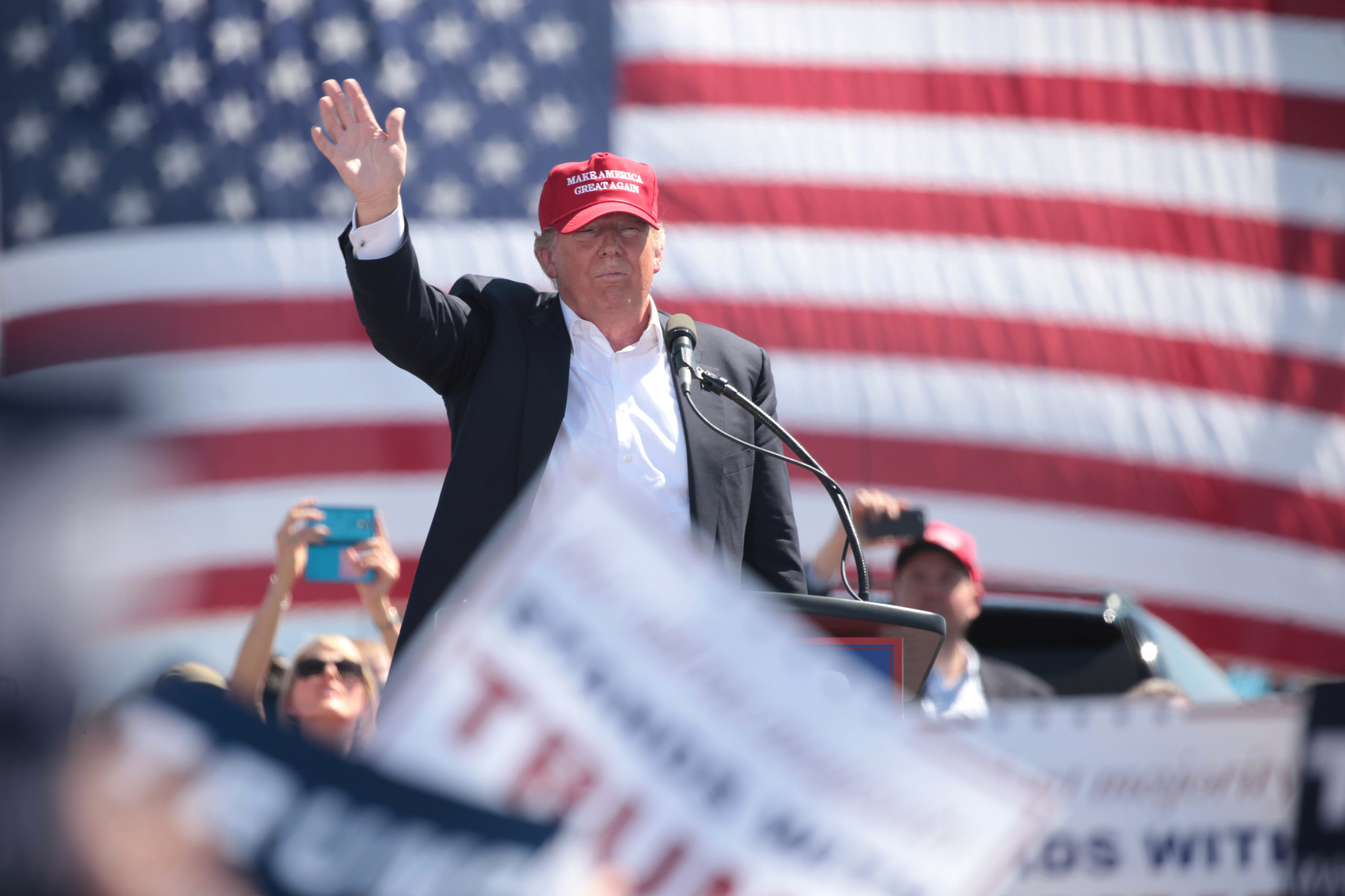
Whether it was the British vote to leave the European Union in June or the impeachment of the South Korean President Park Geun-hye in December, 2016 will be remembered for a series of unexpected events and the questions they have raised about how they may shape the future.
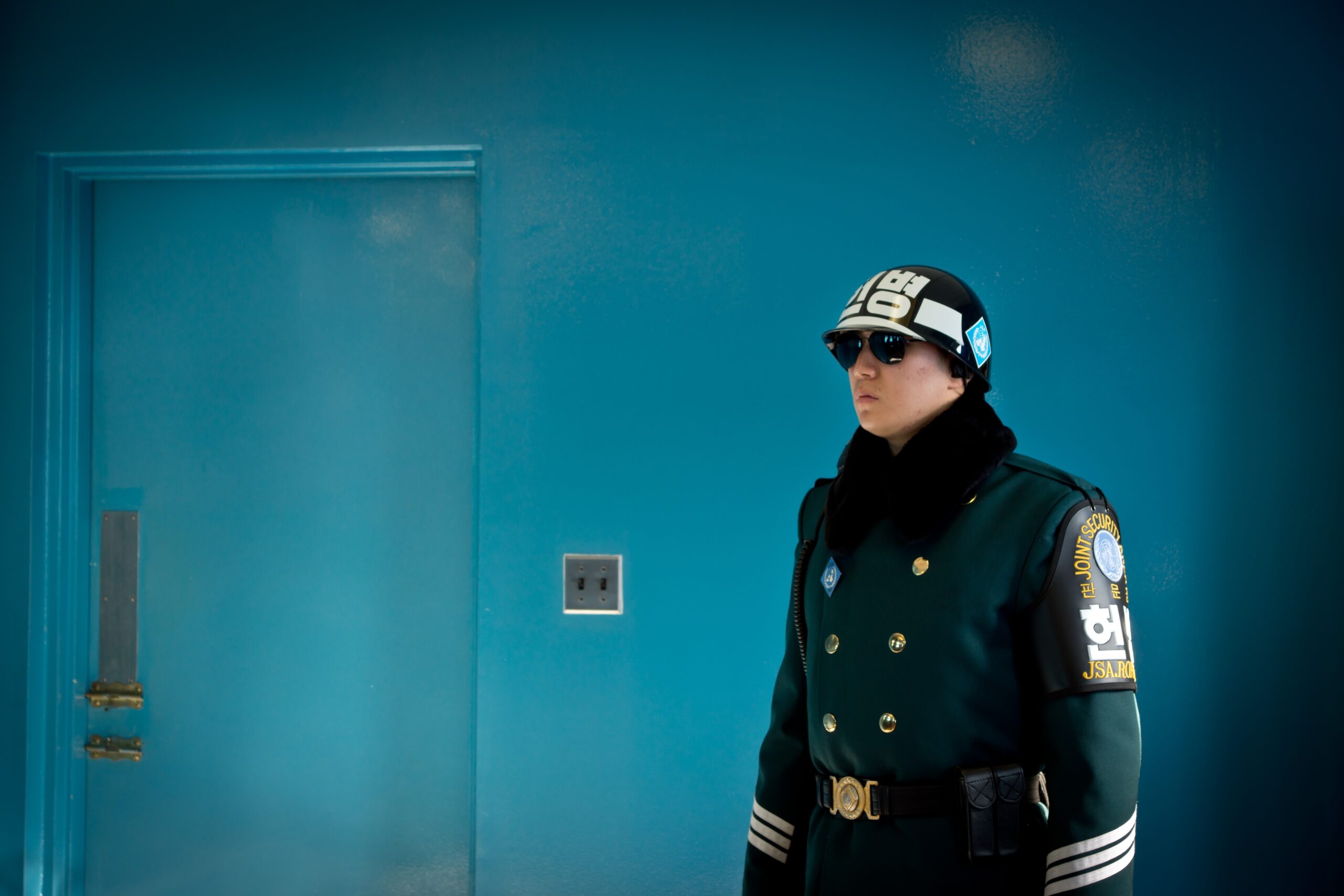
The two Koreas have made it through troublesome times at the beginning of the year before, but with more factors being added to the mix each month, this period during the first quarter of 2016 could be the toughest challenge yet for the Park Geun-hye and Kim Jong-un.
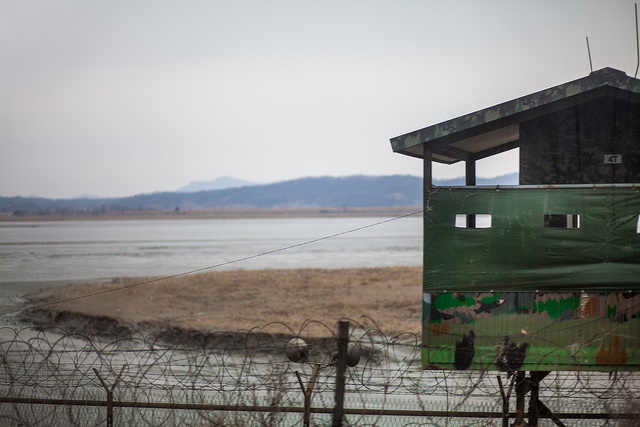
Make no mistake, South Korea’s shuttering of the Kaesong Industrial Complex (KIC) which it had operated just across the border in North Korea since 2004 is a big deal.
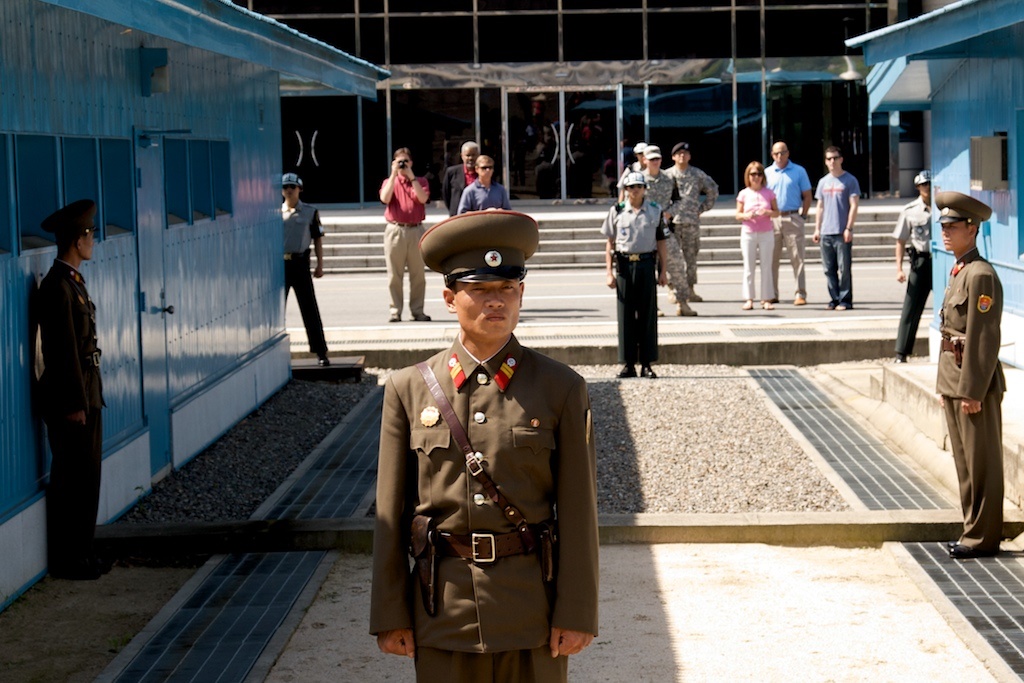
The new year did not start off well for inter-Korean relations.
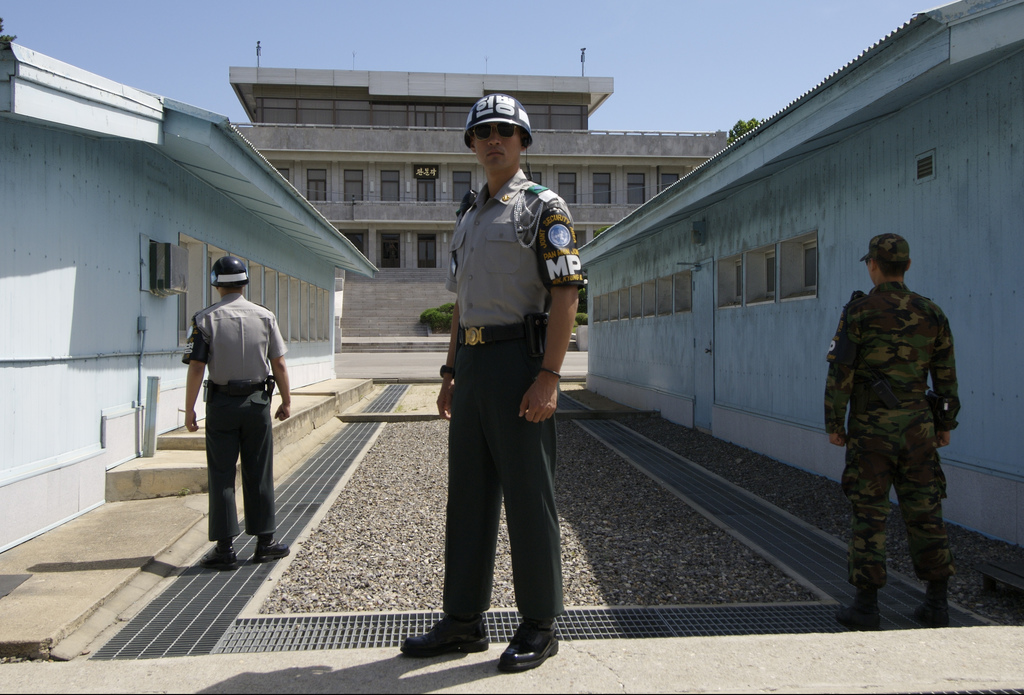
In November, both Koreas continued to demonstrate a willingness for inter-Korean contact while also maintaining a commitment to improve security. Military actions over the past few months have not scuttled opportunities for dialogue. Inter-Korean talks in November led to scheduling talks set for December 11 at the vice minister level.
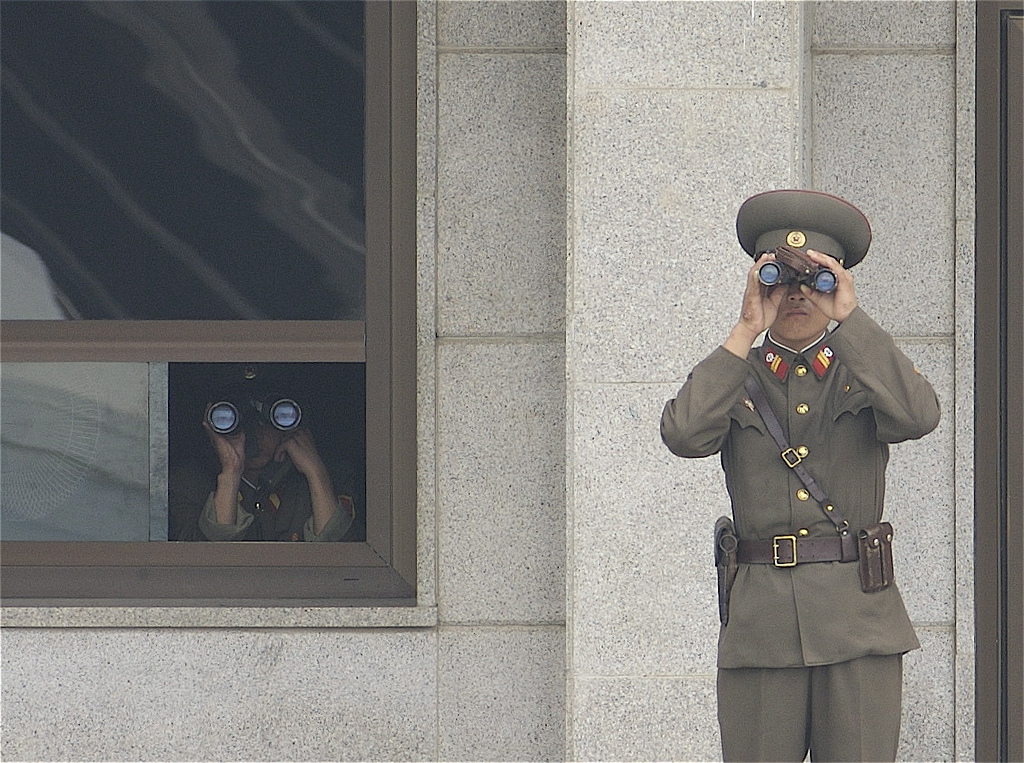
Like the standoff over the Kaesong Industrial Complex when North Korea pulled its workers in April 2013, the Park Geun-hye administration was able to stand firm and bring North Korea to the table.