Q2 2025 U.S.-Korea Trade and Diplomacy Ledger
As the U.S. and South Korea implement policy and personnel changes that accompany new administrations, both countries continue down the path of engagement.

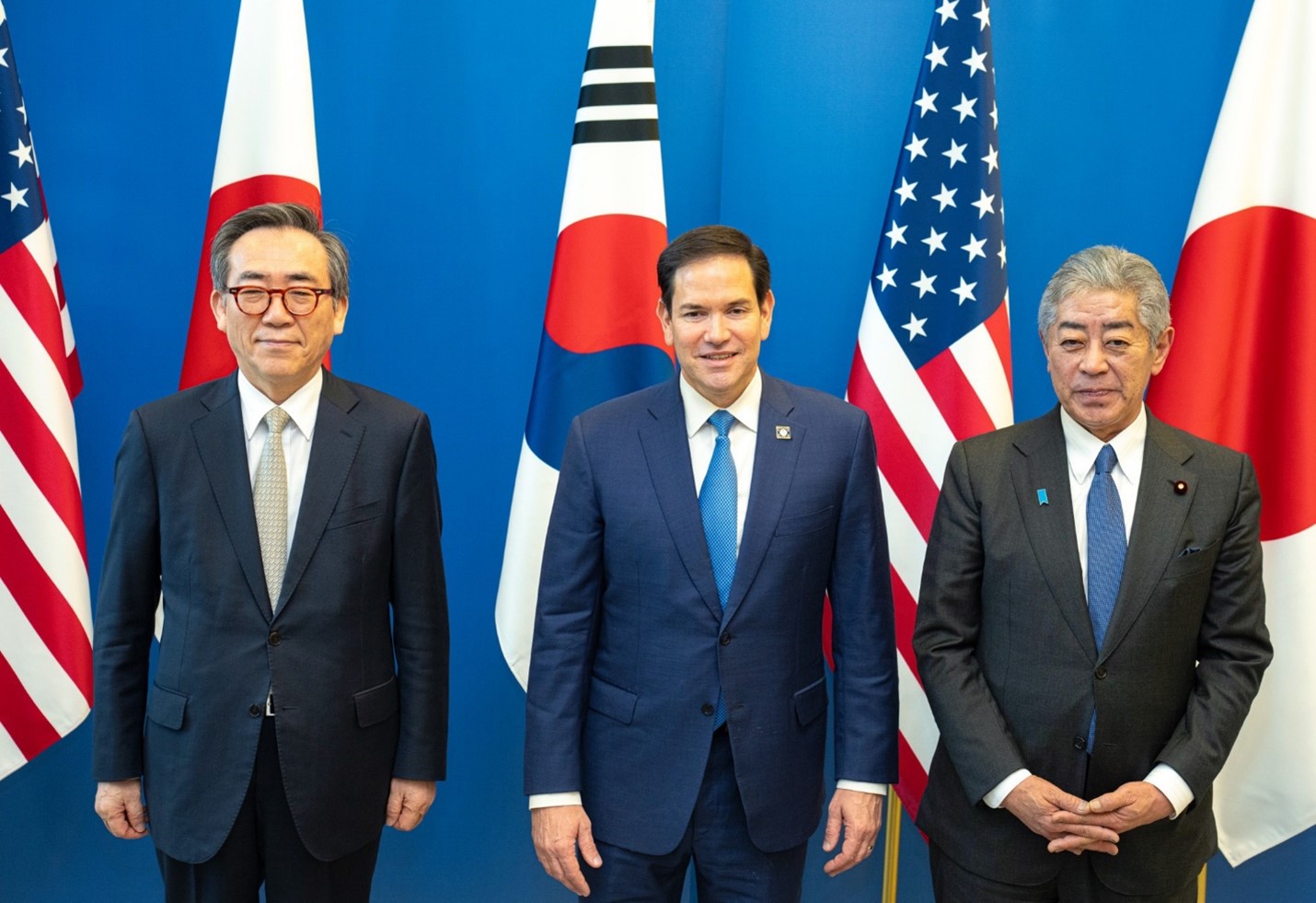
As the U.S. and South Korea implement policy and personnel changes that accompany new administrations, both countries continue down the path of engagement.
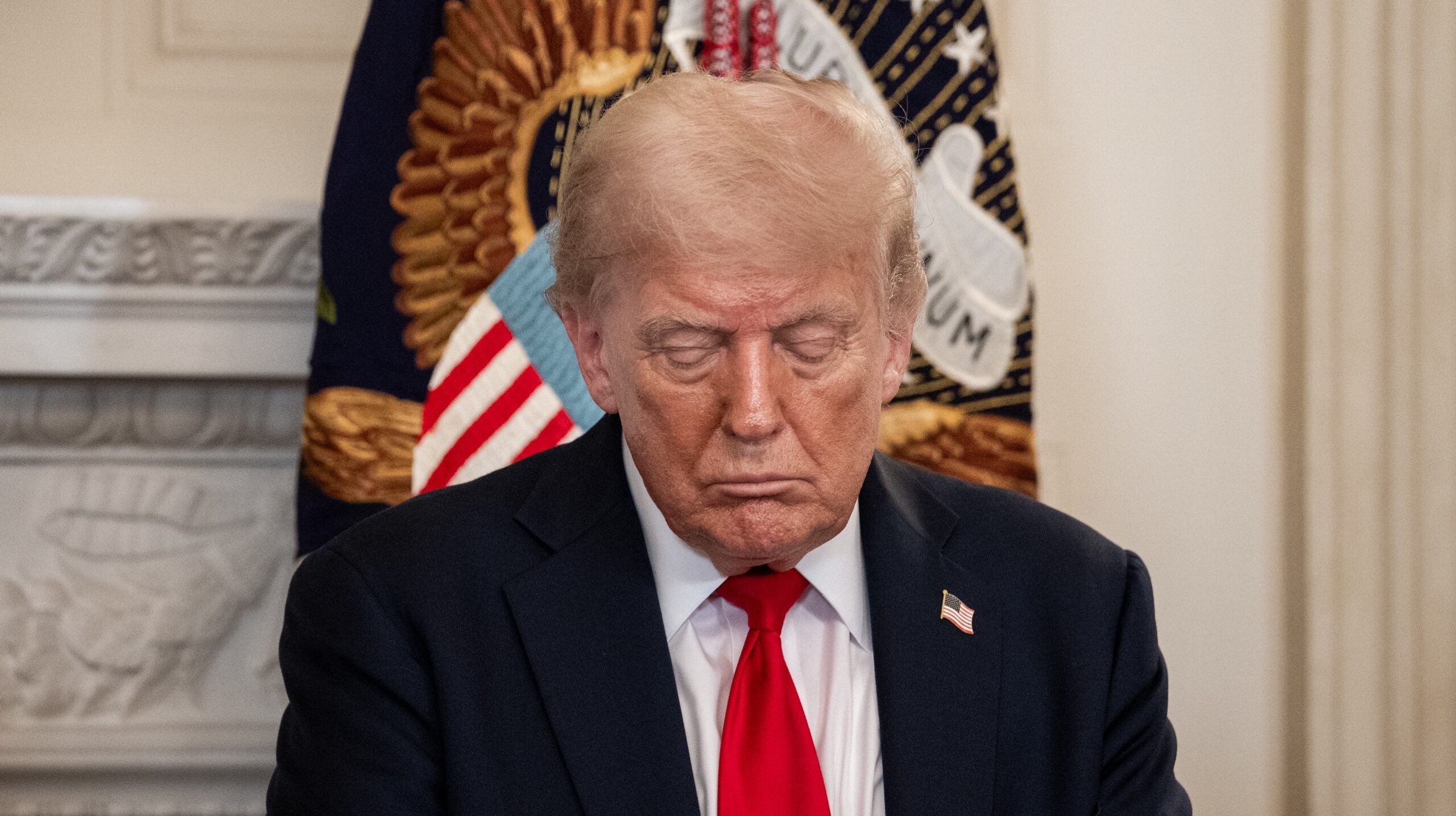
The trade disruption seen over the first six months of the Trump administration has delivered unprecedented shocks to the global trading system.
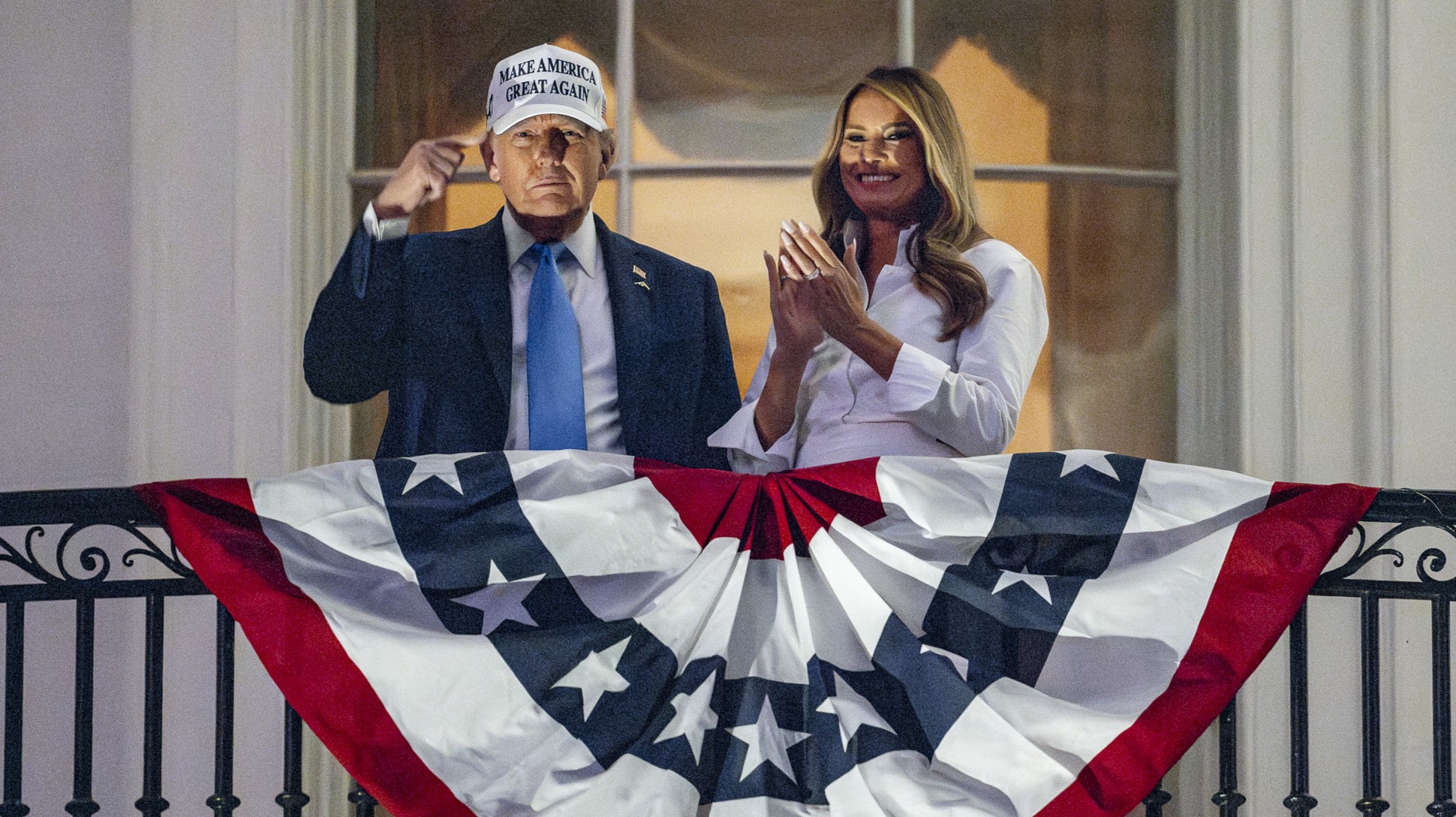
A trade deal could have big upsides for the defense industry, nuclear tech, energy, semiconductors, EVs, robotics, and AI

Korean companies find themselves confronting a familiar yet pressing dilemma: how to convert mounting pressure into a strategic opportunity.
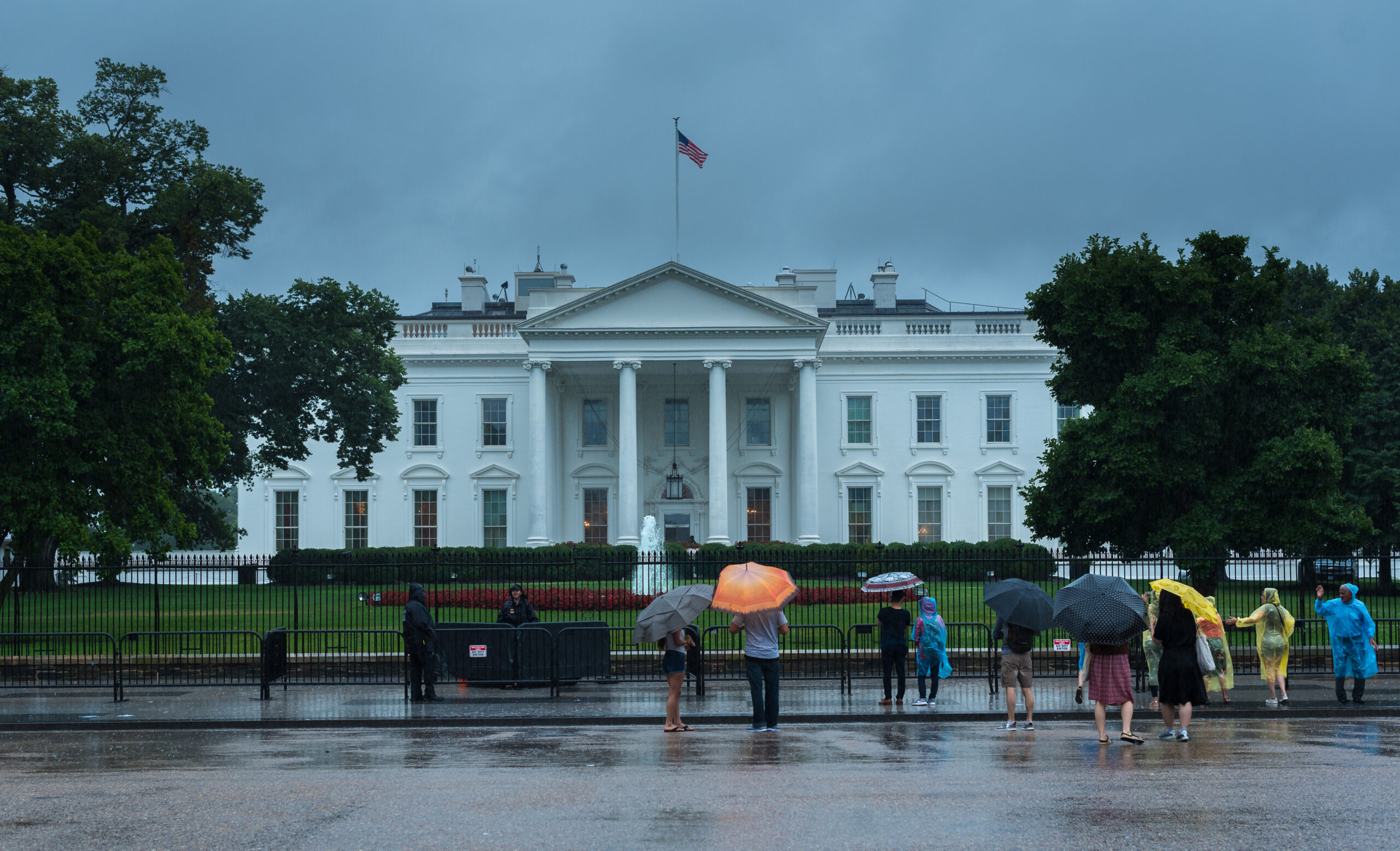
Policy uncertainty in the United States has increased, which is influencing the long-term outlook for South Korean investment decisions.
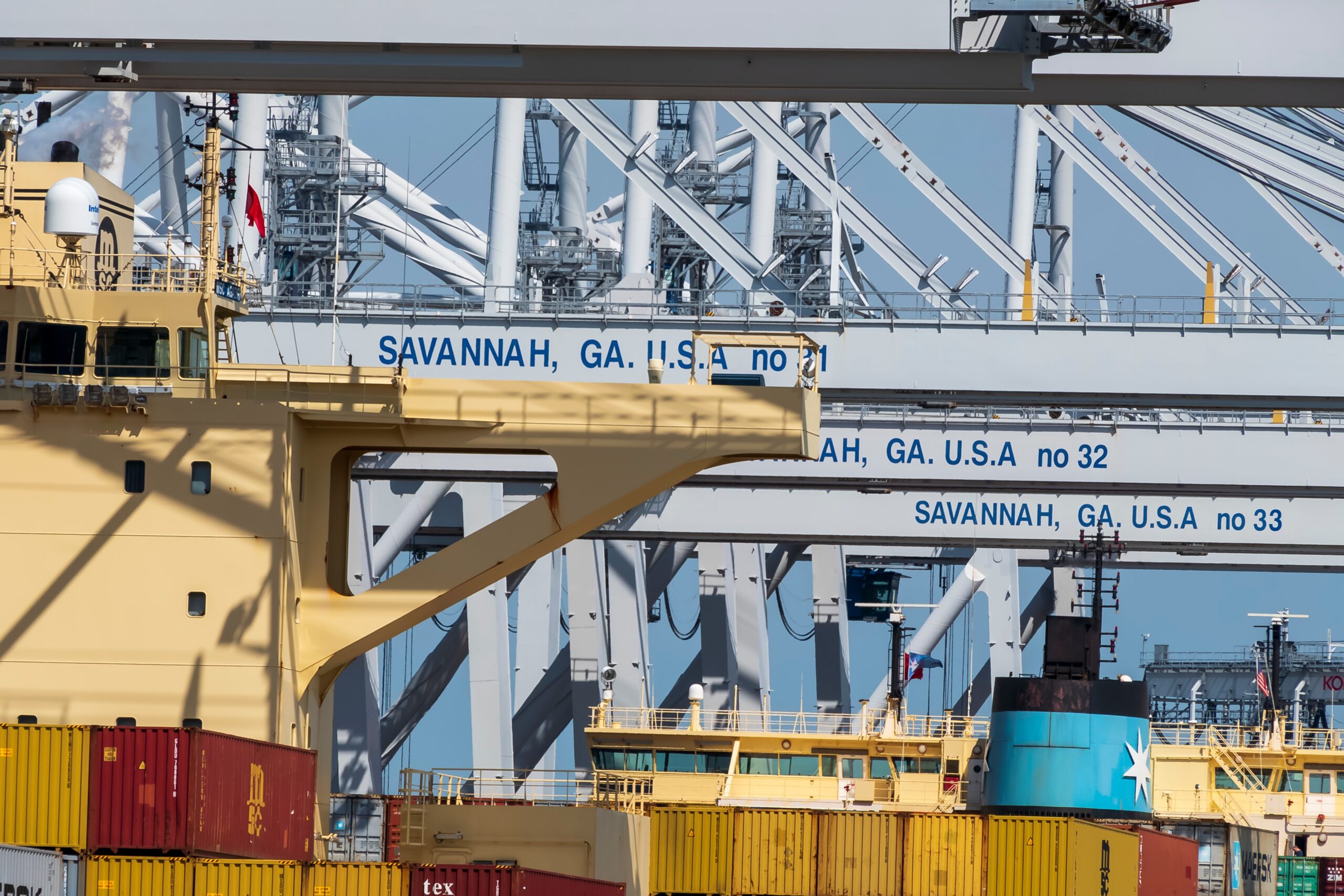
Amid tariffs and investments, many have pointed to the benefits of deep socioeconomic linkages between the United States and South Korea.
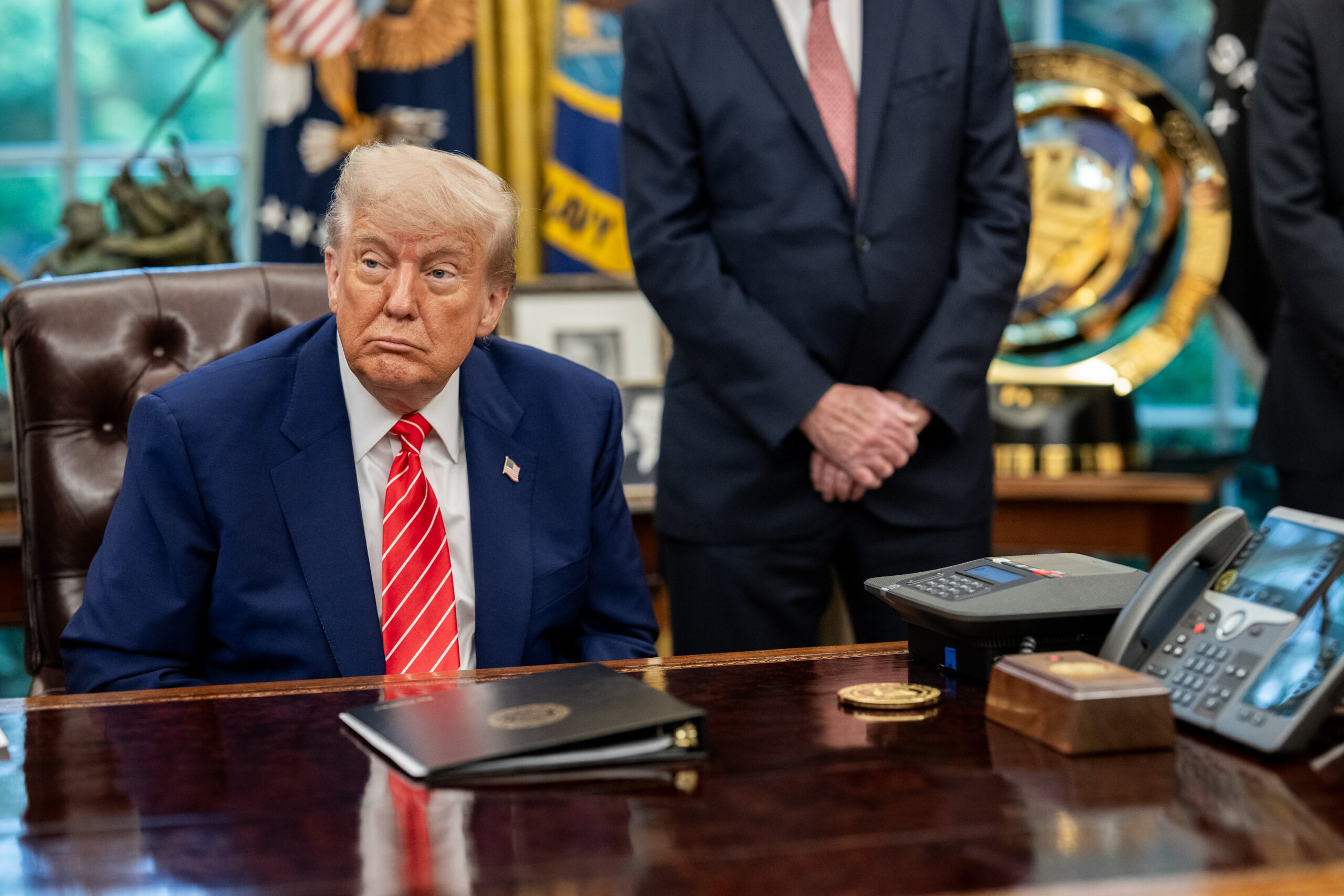
New KEI research shows that perception and visibility, not dollar amounts, shape how Americans feel about foreign investment.
Once dismissed as an abstract nuisance, transnational subsidies have now become a central concern for countries.
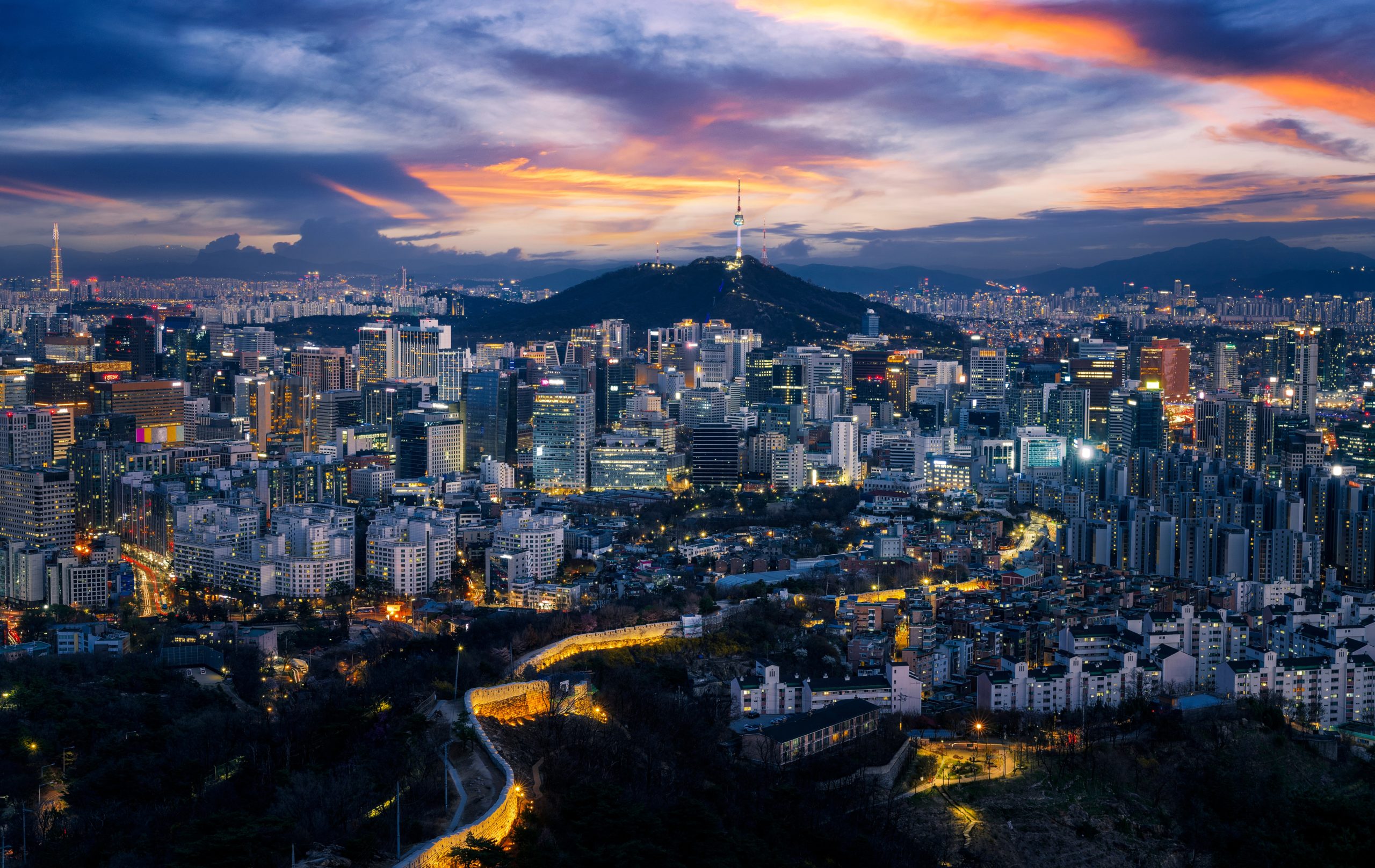
During a time of political change in both the United States and South Korea, new investments, partnerships, and diplomatic dialogues continued to strengthen the economic and technological partnership between the two nations.
Q3 2024 witnessed a number of pivotal partnerships and deals across a wide range of industries as well as a plethora of high-level dialogues.