U.S.-Korea Relations: Don’t Drive a Wedge
There is a small but growing body of commentary arguing that Washington and Seoul are drifting apart on North Korea policy.

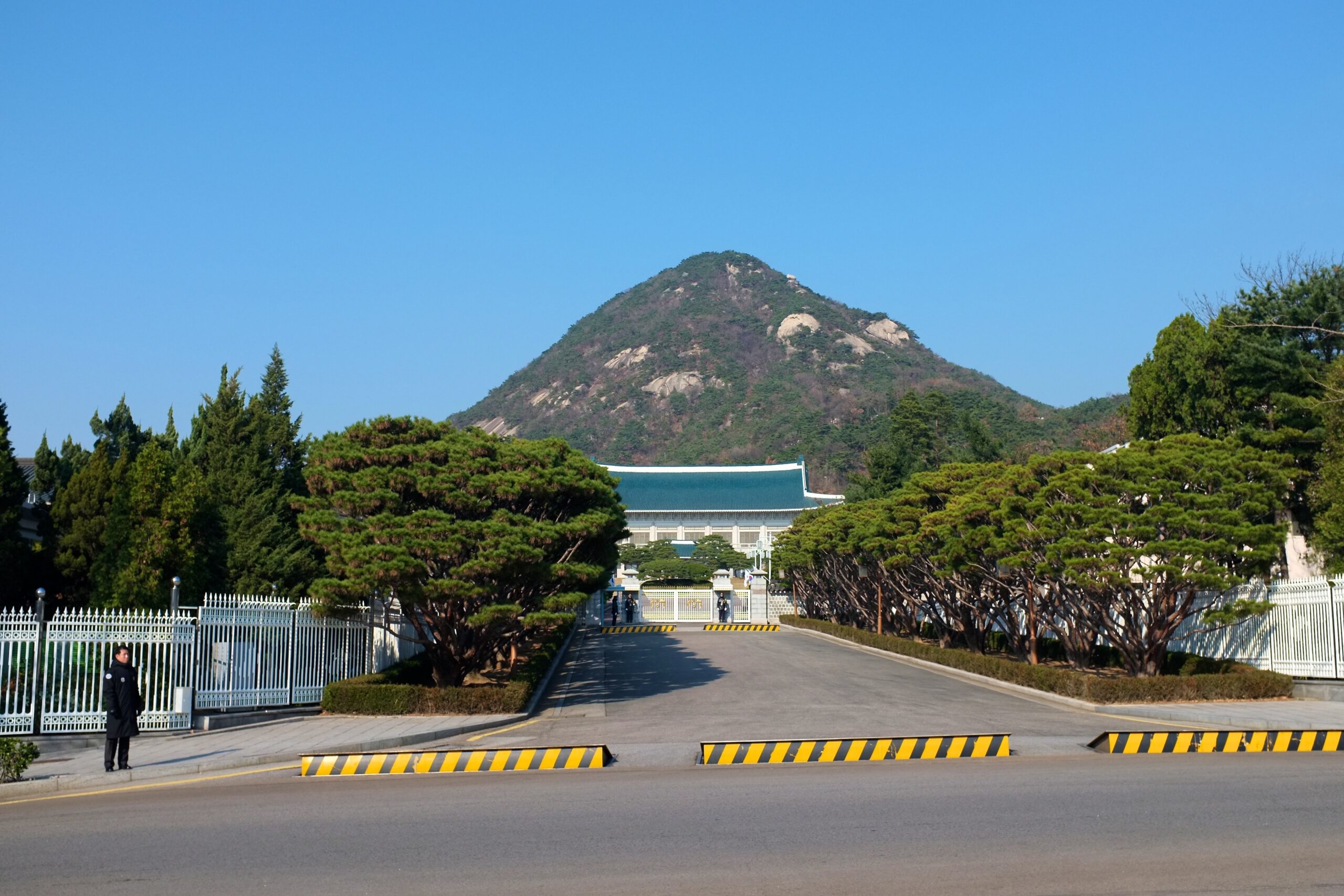
There is a small but growing body of commentary arguing that Washington and Seoul are drifting apart on North Korea policy.
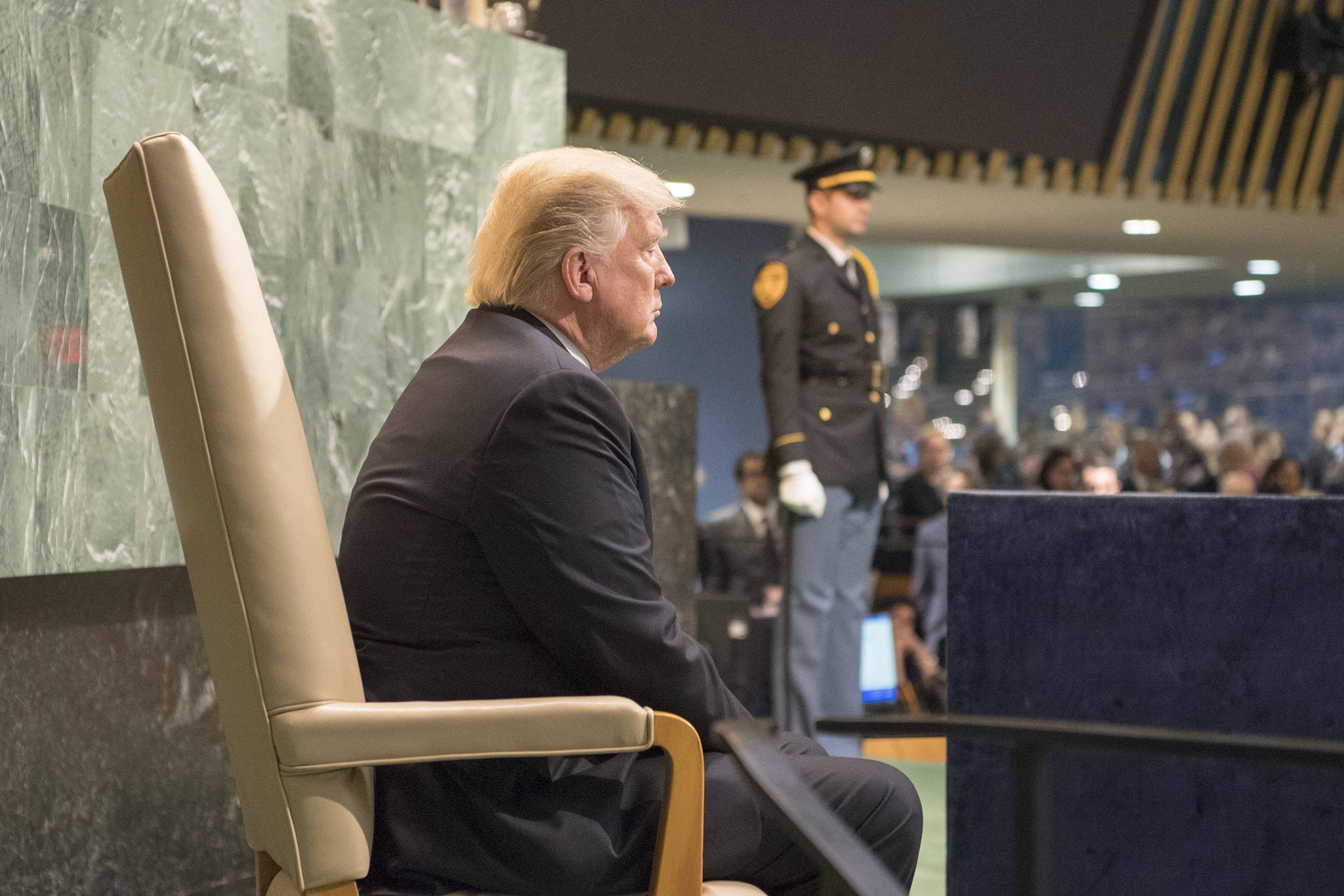
As President Trump addressed the UN he asserted the need for strong national sovereignty and called on the UN to resolve the threat from North Korea.
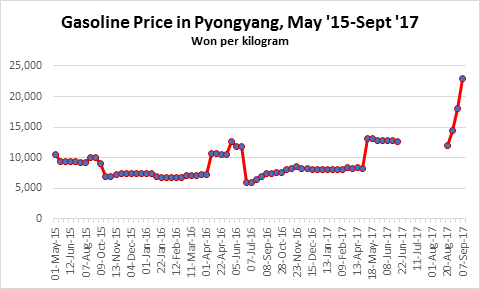
By accepting tough rules on textiles, joint ventures, and overseas employment, new UN sanctions on North Korea are aimed squarely at the general economy.

President Trump’s United Nations speech seems, above all, to be a plea for help from the international community in dealing with North Korea.

The initial statement on travel to North Korea indicated that there would be exemptions for humanitarian activities and journalists. Those exemptions, however, are limited and narrow.
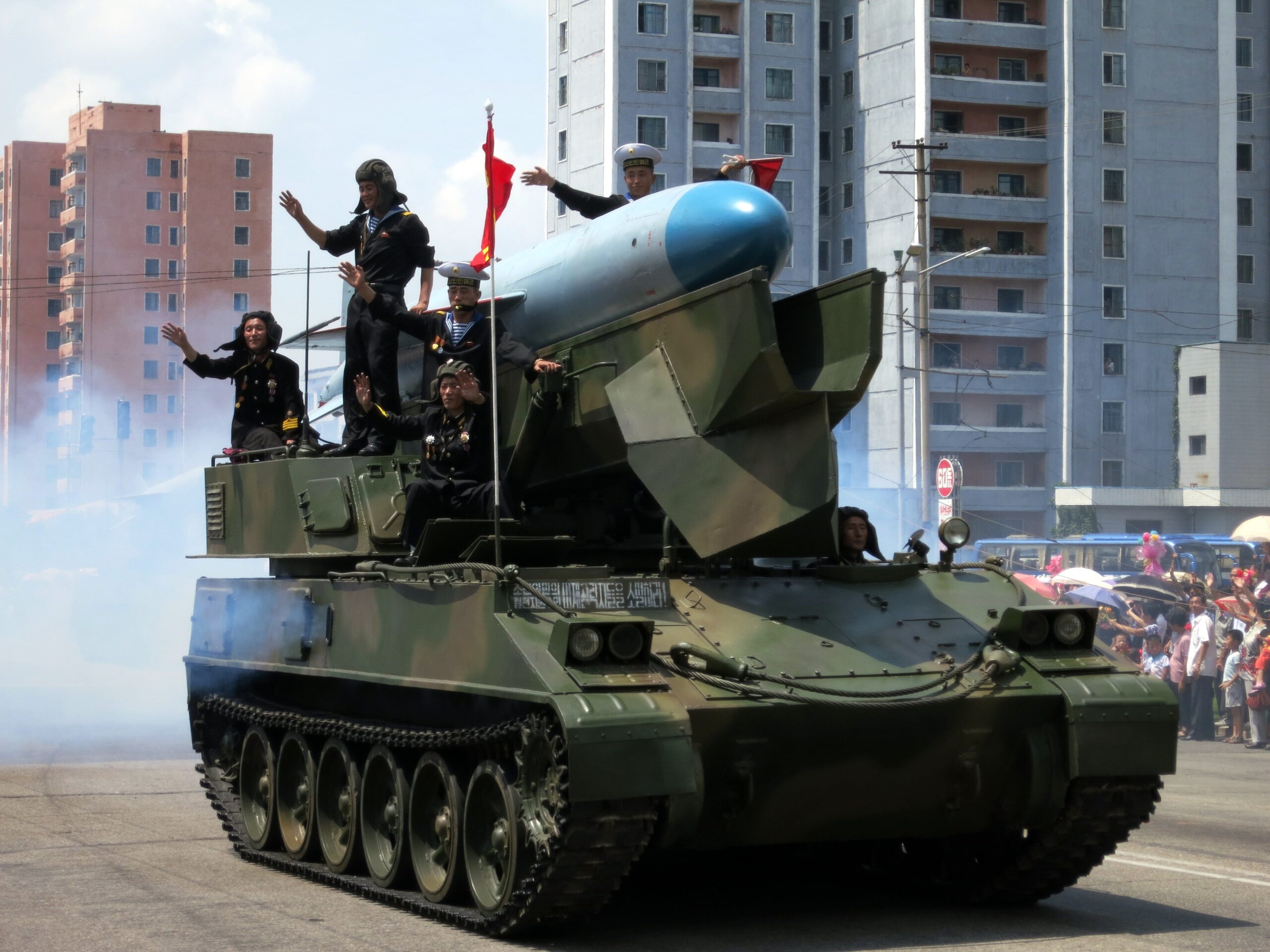
The easy temptation in the aftermath of the latest UN sanctions would be to simply view the most recent test as North Korea expressing its displeasure at additional economic pressure.
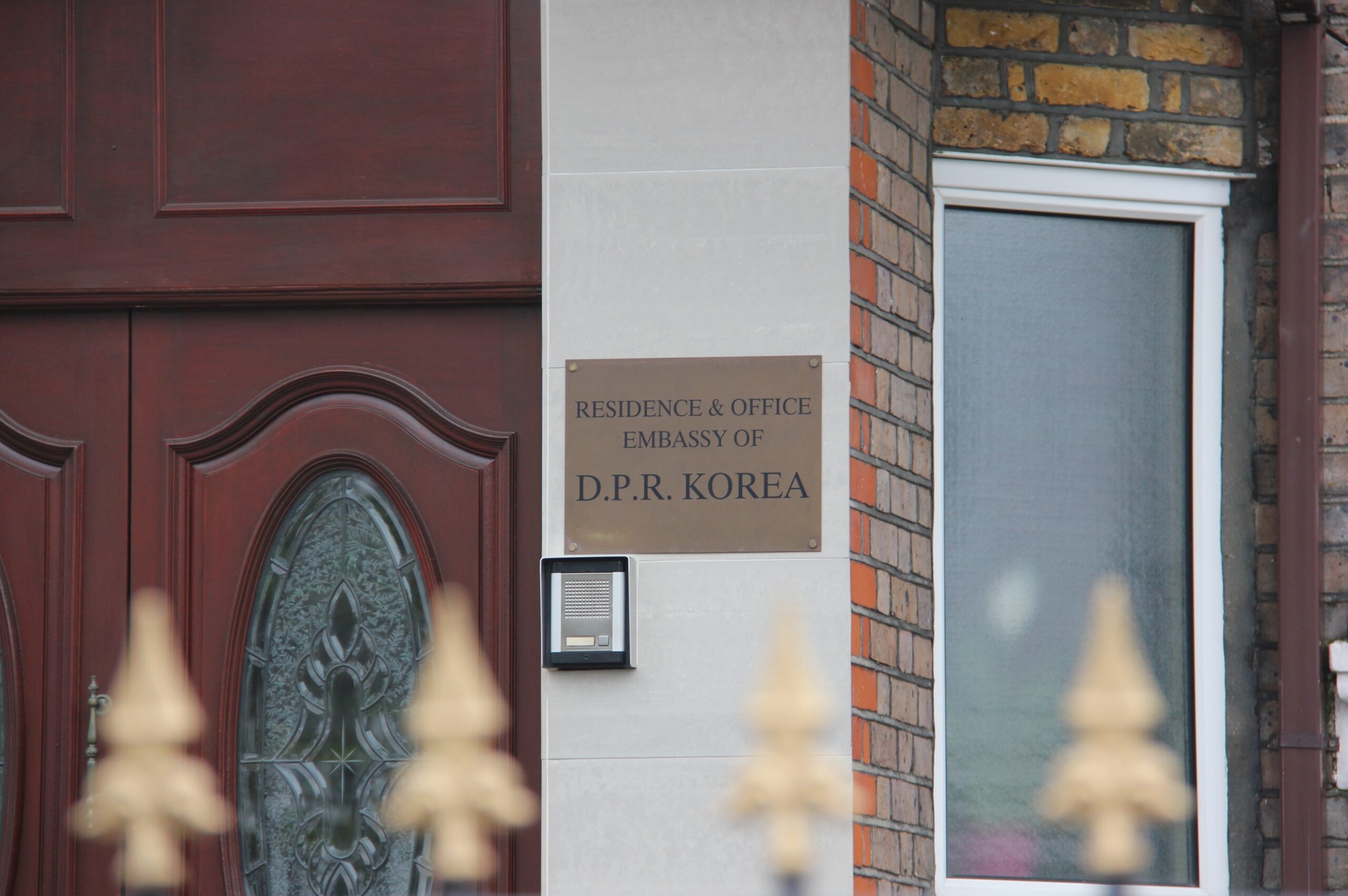
In back-to-back announcements, both Peru and Mexico announced that they would be expelling the North Korean ambassador from their countries, although they stopped short of cutting off diplomatic ties altogether.
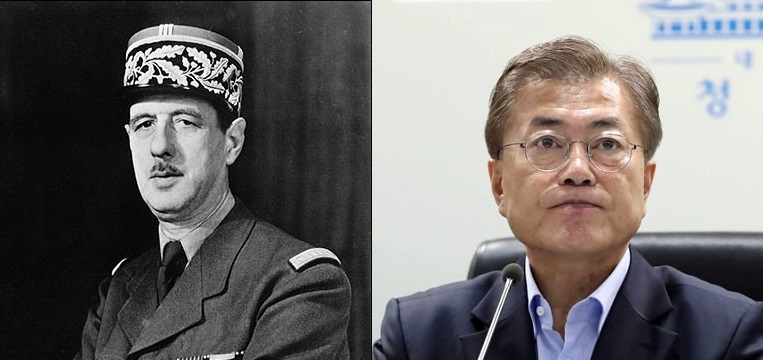
One contextual parallel between the two presidents is that Moon and de Gaulle both came to power following a domestic political crisis.
While this may have been the best that could be achieved at the United Nations, it is disappointing that China and Russia would not support more robust sanctions against North Korea.
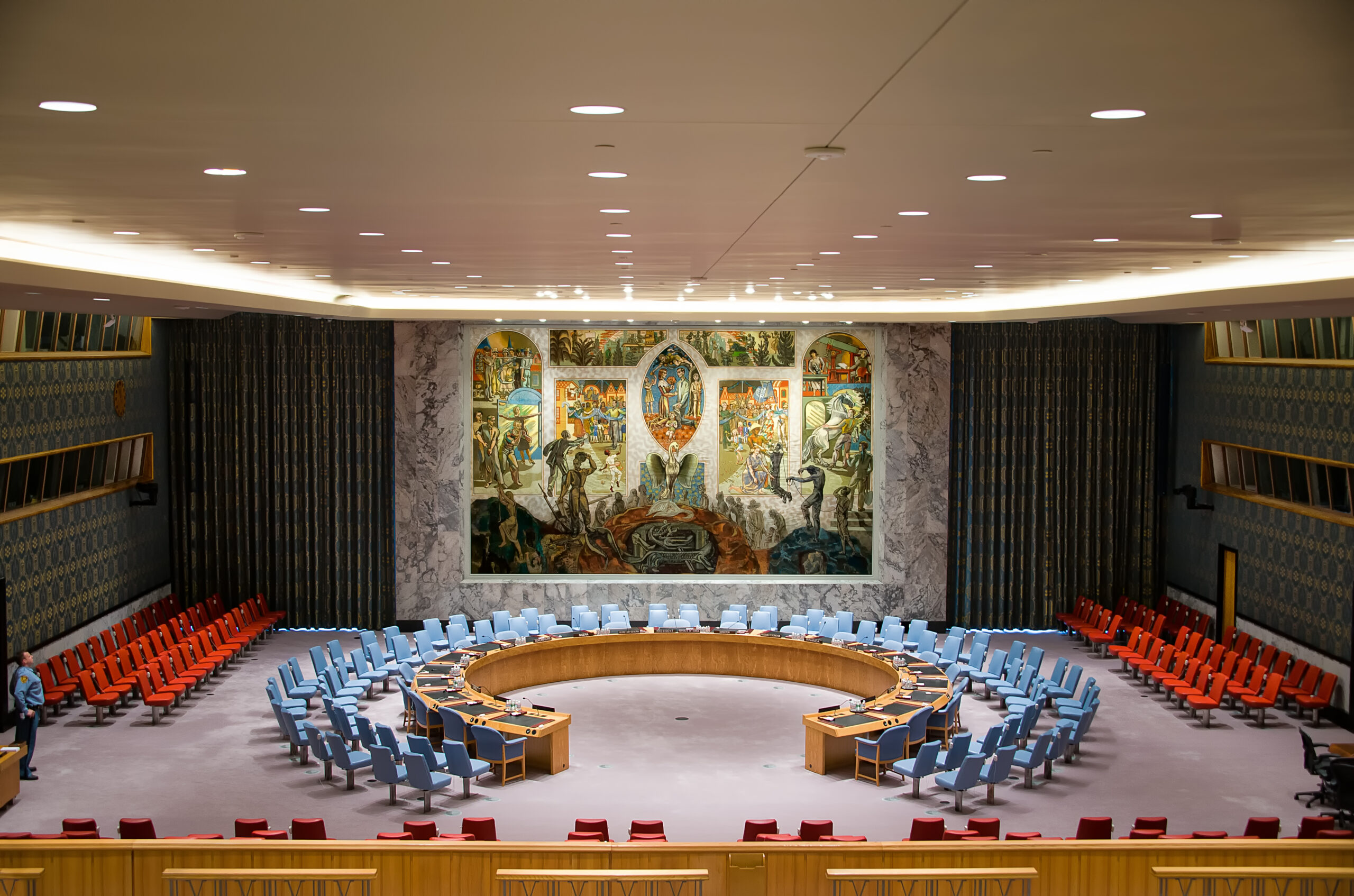
Now that North Korea has defied warnings from the international community not to conduct a sixth nuclear test, including from its friends China and Russia, the challenge is, how to respond?