How North and South Korea Have Changed Since the Korean War
With the 70th anniversary of the end of World War II over the weekend, KEI takes a look back at what has changed on the Korean Peninsula from the 1945 to today.

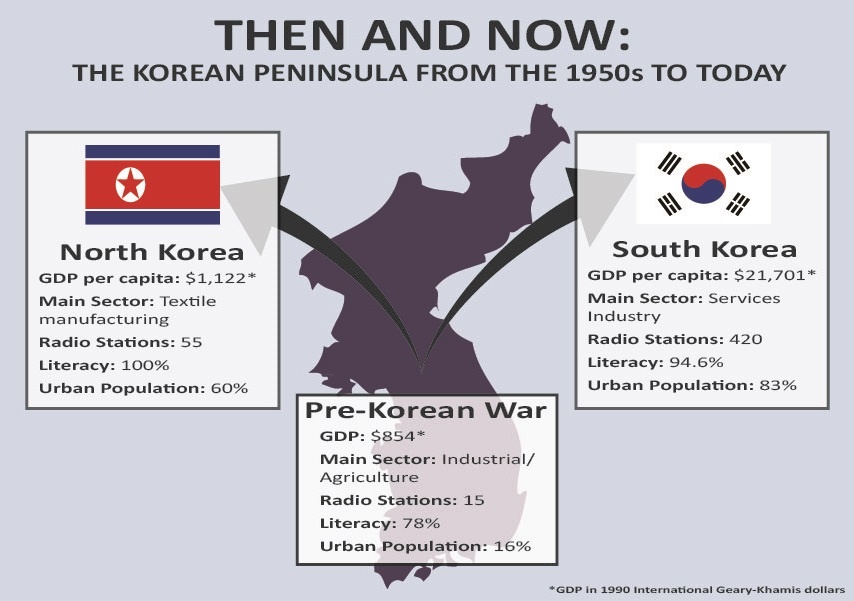
With the 70th anniversary of the end of World War II over the weekend, KEI takes a look back at what has changed on the Korean Peninsula from the 1945 to today.
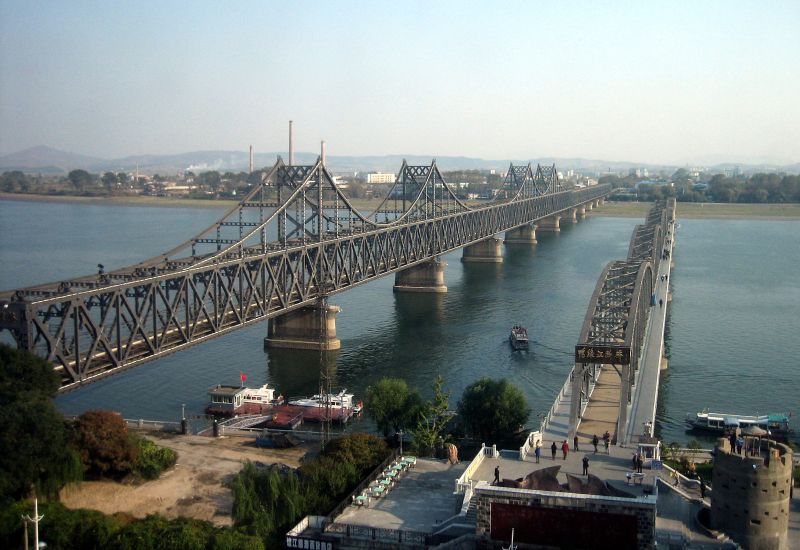
As the rest of the world gets accustomed to seeing Kim Jong-un walk with a cane, we might do well to figure out what, if anything, is changing about the way that the broader North Korean state engages with the economic powerhouses that engulf its southern and northern peripheries.
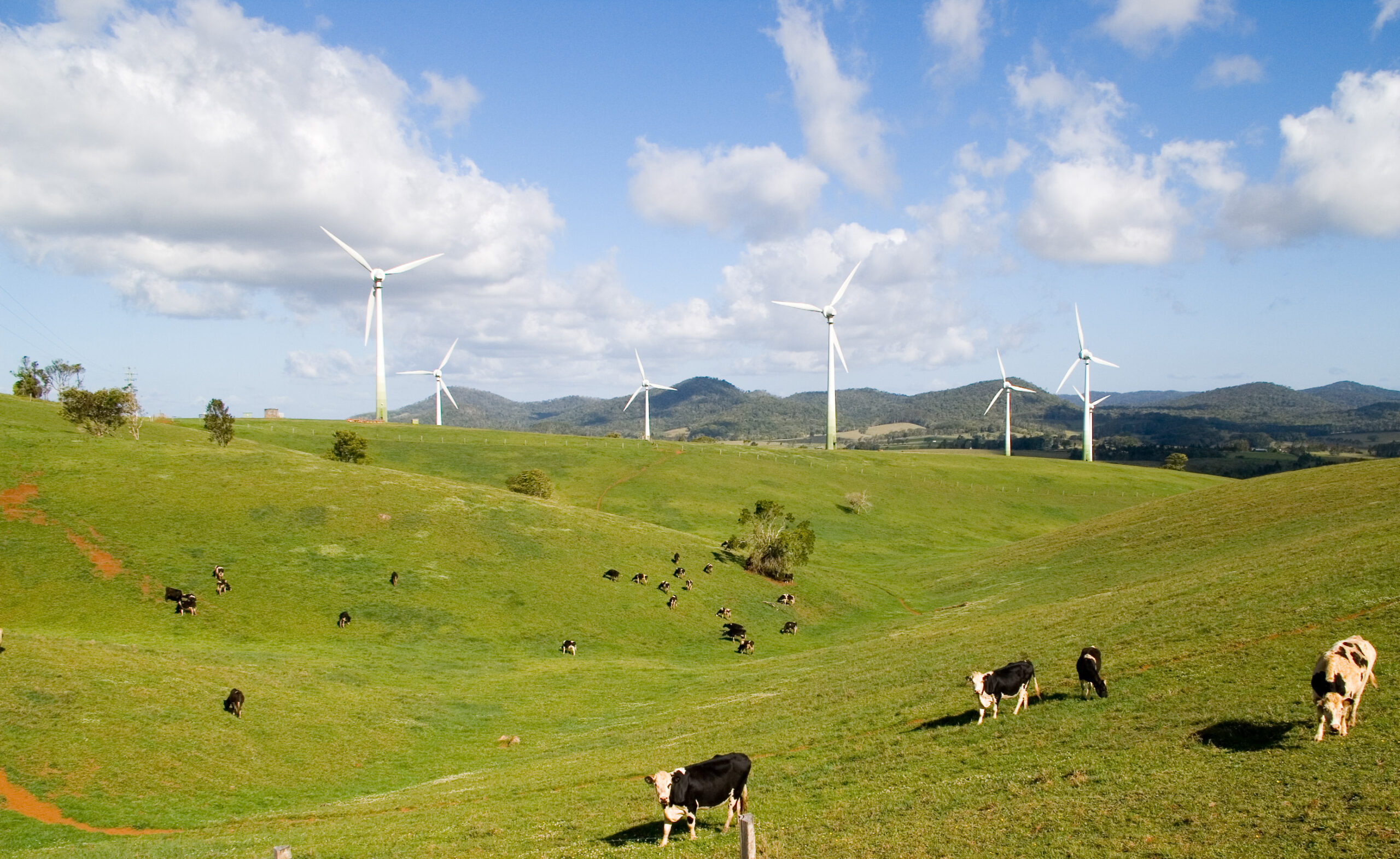
Korea has begun to play greater role internationally as a rising middle power across a range of issues, including climate change.
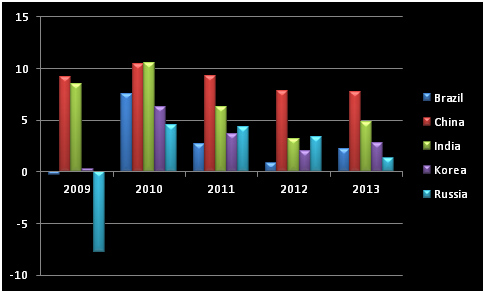
Korea has consistently grown at rates comparable to BRIC countries such as Russia and Brazil in this new post-crisis era.
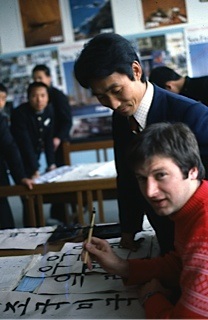
From 1966 to 1981, nearly 2,000 Peace Corps volunteers and staff members shared their lives with their Korean counterparts and were witness to the tremendous work ethic of the Korean people as the groundwork was being laid for the Korea we see now in the 21st century.
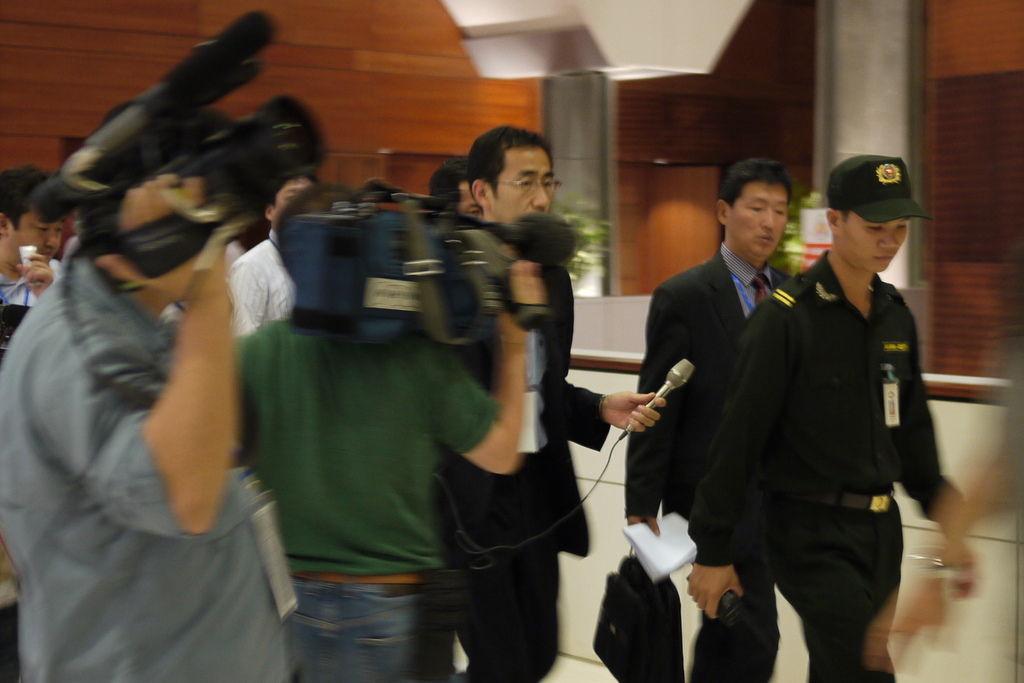
As North Korea steps up its diplomacy in Southeast Asia, could it also be a new opportunity for economic engagement?
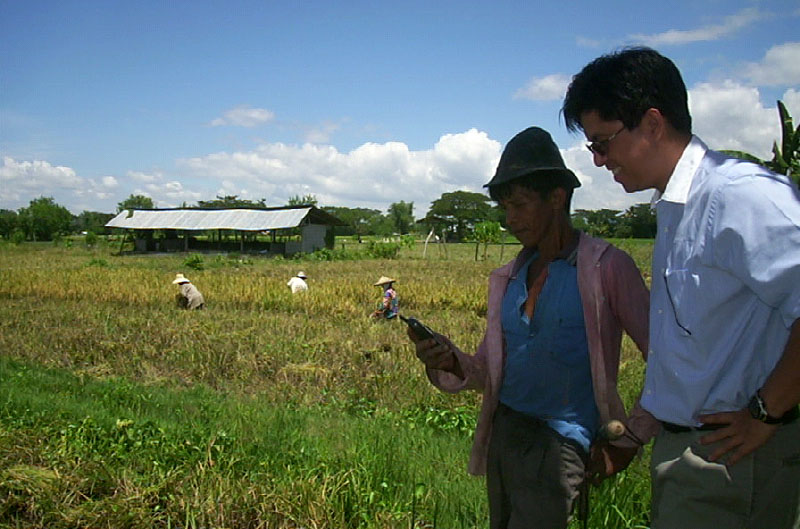
South Korea is currently the world’s 15th largest economy. This fact strikes many as amazing given that Korea’s Gross National Product (GNP) per capita increased…
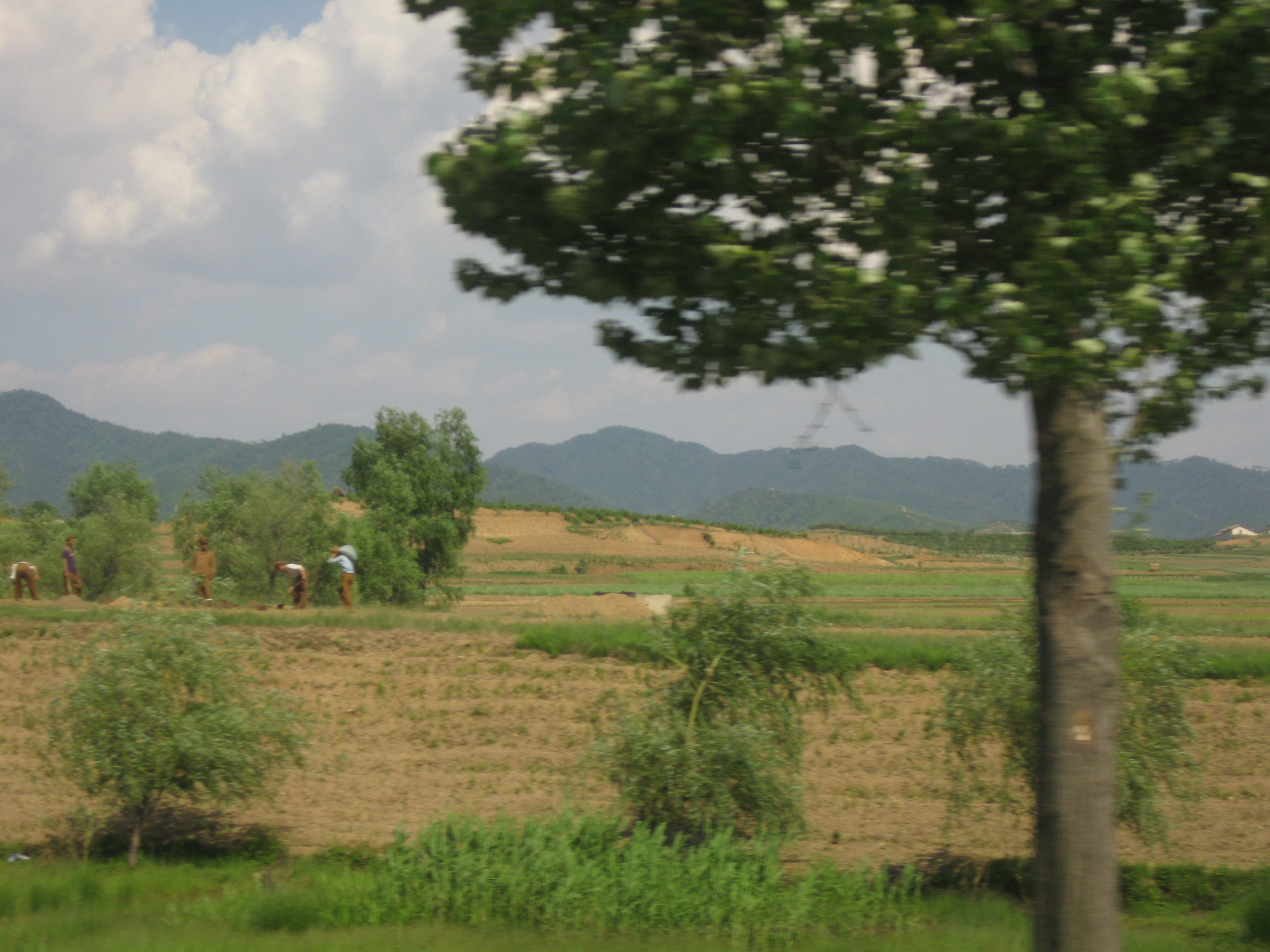
How NGOs fill an important gap in policy towards North Korea.
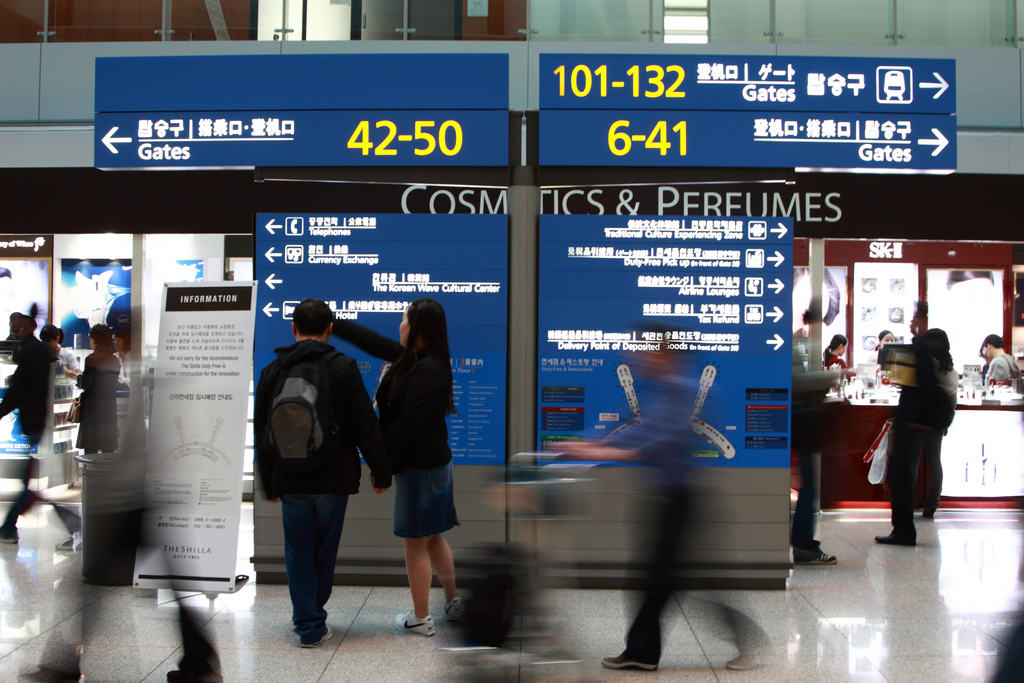
By Sarah K. Yun Since his inauguration in 2008, President Lee Myung-bak has promoted a “Global Korea” policy for Korea to be a more active…
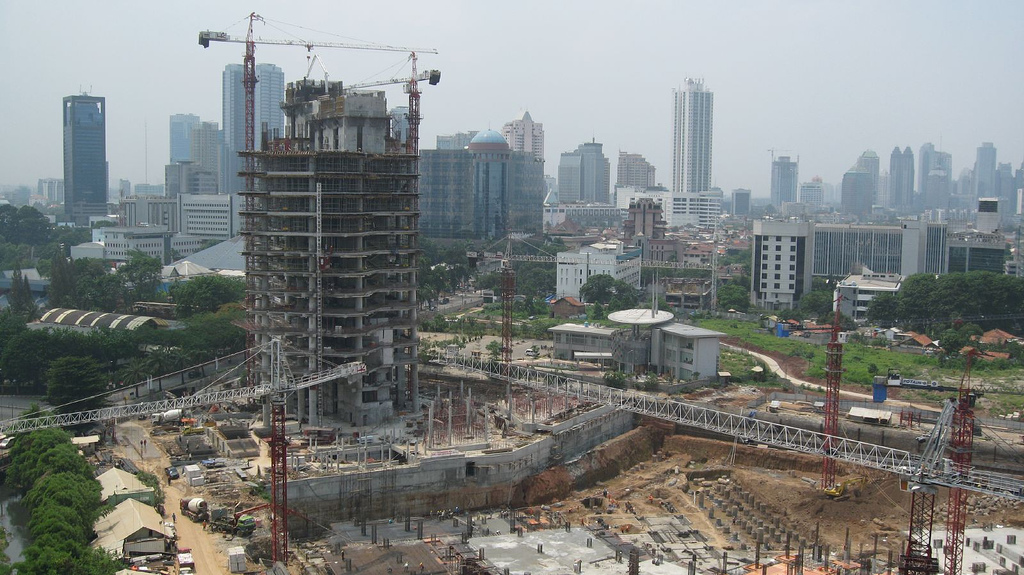
By Sarah K. Yun Traditionally, Korea’s major diplomatic and trade partners consisted of the United States, Japan, China, Europe, and Russia. Under President Lee Myung-bak’s…