Beyond the Data: South Korea’s Birth Rate
One of the most prominent policy and social problems plaguing the Republic of Korea today is a declining birth rate.


One of the most prominent policy and social problems plaguing the Republic of Korea today is a declining birth rate.
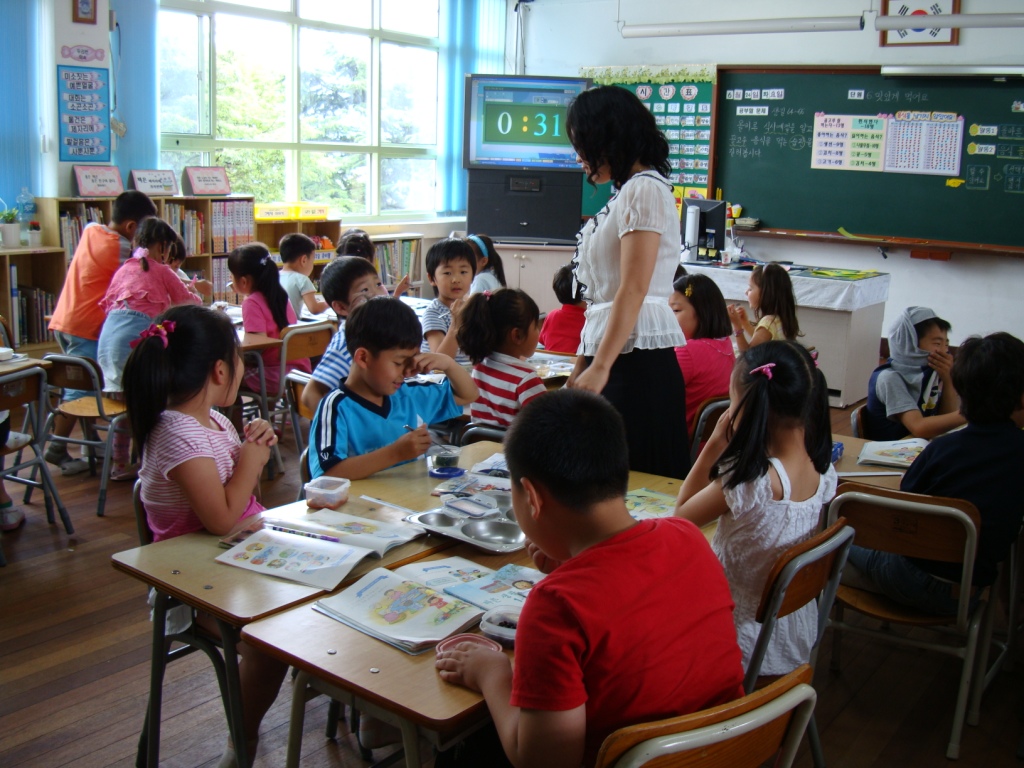
South Korea’s approach to supporting low-income families reflects the country’s belief that welfare and education are linked.

The government’s focus on enabling parents to work longer hours suggests its ability to shape corporate culture is limited.

The South Korean military is relying on surface-level fixes for long-standing problems that affect the health and well-being of soldiers.

Policies designed to make citizenship easier for the children of permanent residents have been met with anti-Chinese sentiments.

Political actors who oppose the government’s push to encourage greater female participation in the economy are gaining ground.

South Korea’s low birthrate is leading the government to rethink laws that restrict the definition of family and limit protections.

The government focuses on housing issues after the ruling Democratic Party’s loss in the Seoul and Busan mayoral elections, but bigger challenges remain.
The government’s efforts to boost the childbirth rate fall short of the public’s desire for conditions that allow women to maximize their family planning choices.

South Korea’s e-governance may be leaving older adults who are most at risk of COVID-19 uninformed of critical announcements.