
Program Officer & Intern Coordinator at Korea Economic Institute of America
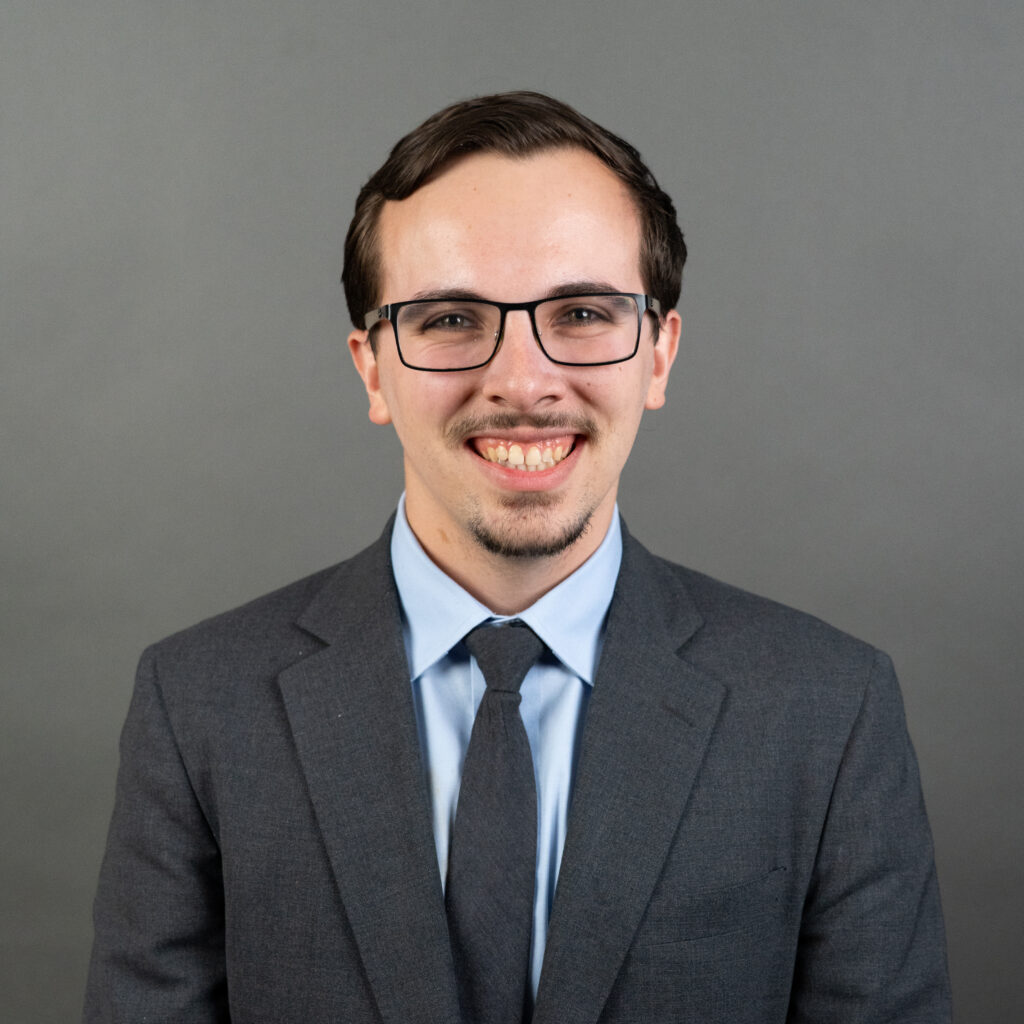

Sebastian Garcia
Program Officer & Intern Coordinator
Korea Economic Institute of America
Quick Links
Biography
George Sebastian Garcia is Program Officer & Intern Coordinator at the Korea Economic Institute of America (KEI), where he assists in the planning and oversight of the organization’s academic affairs programming and the production of the biannual Korea Policy journal.
Prior to joining KEI, he was a staff intern for the Hyundai Motor-Korea Foundation Center for Korean History and Public Policy at the Wilson Center, where he provided event programming and administrative support for projects concerning U.S.-Korea relations and conducted research on bilateral cybersecurity cooperation efforts. He has also worked as an editorial assistant for Georgetown University Press and as an administrative intern for American Councils for International Education.
He holds a Bachelor of Science in International Politics with a minor in Korean and a Master of Science in Foreign Service with a certificate in Asian Studies from Georgetown University.