Search All Site Content

Total Index: 6855 publications.

Subscribe to our Mailing List!

Sign up for our mailing list to keep up to date on all the latest developments.

Our Team

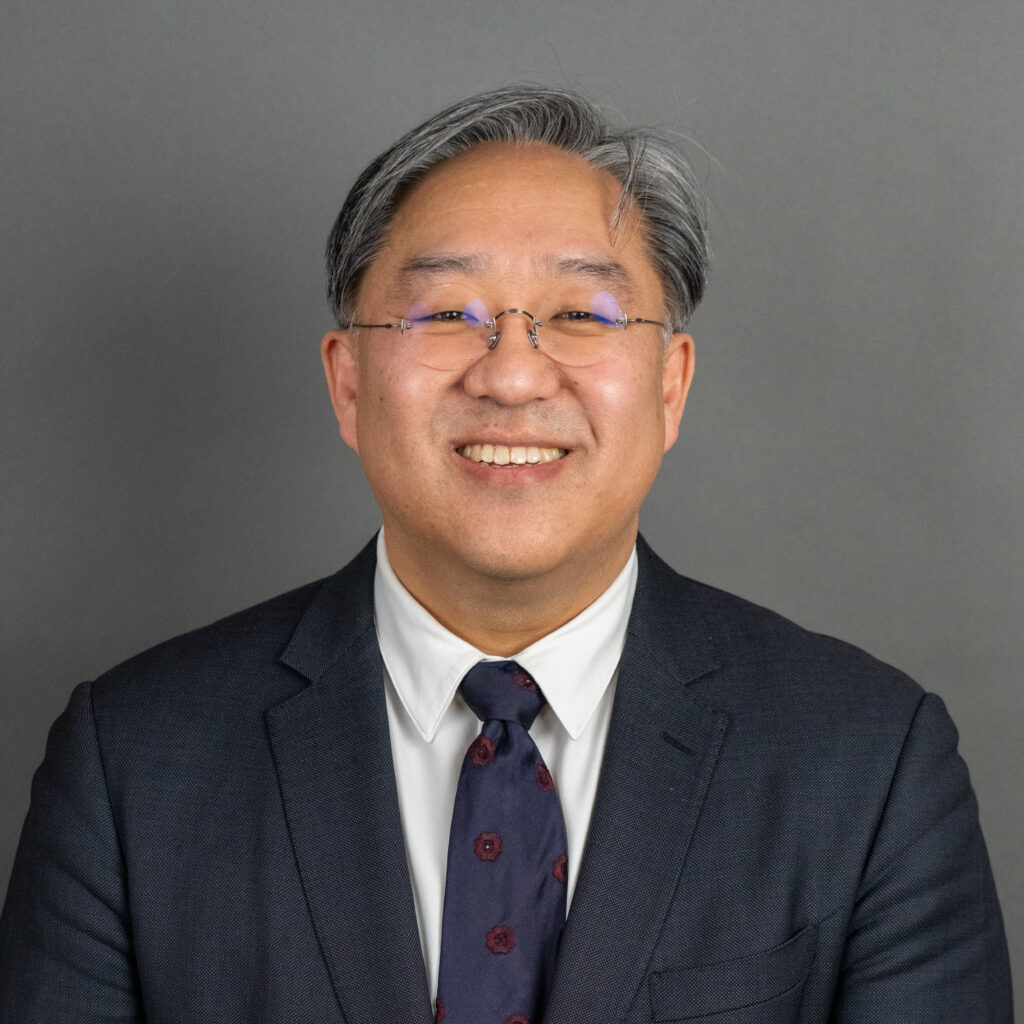
Je Heon (James) Kim

Director, Korea Program
Stimson Center
Download Profile Picture

Email

Email Je Heon (James) Kim

  • This field is hidden when viewing the form

About Je Heon (James) Kim

Dr. Je Heon (James) Kim is a Director of the Korea Program at The Stimson Center. Previously he was Director of Public Opinion and External Relations at the Korea Economic Institute of America (KEI) in Washington, DC. He also serves as a Lecturer in the Executive Master of Public Policy and Administration Program at Columbia University.

In the further past he was the Senior Research Fellow and Director of the Center for Regional Studies and the Center for Public Opinion Research at the Asan Institute for Policy Studies in Seoul, South Korea, where he also directed the institute’s Washington, DC office. From 2008 to 2012, he was an Assistant Professor of Political Science at California State Polytechnic University (Pomona). His career also includes roles as a Summer Research Associate at the RAND Corporation and a Statistical Consultant for the Institute for Social and Economic Research and Planning at the School of International and Public Affairs at Columbia University. His primary research interests include domestic drivers of foreign policy, political economy, methodology, and public opinion.

Dr. Kim earned a BS and MS in Industrial and Labor Relations from Cornell University and a PhD in Political Science from Columbia University.

This year’s KEI/YouGov survey comes at a moment of profound uncertainty in U.S. foreign policy. The Donald Trump administration has unsettled established trade arrangements, raised questions about the durability of…

Read More

October 3, 2025

The August 2023 trilateral summit at Camp David marked a historic milestone in U.S.-South Korea-Japan relations, establishing new frameworks for crisis consultation, information-sharing, joint military exercises, and cooperation on critical…

Read More

September 10, 2025

This report evaluates the rationale and implications of President Donald Trump’s “Liberation Day” tariffs on South Korean imports. The administration frames these tariffs as “reciprocal” measures necessary to correct perceived…

Read More

The key takeaways from this study are as follows: 1. Impact of Perception on Foreign Investment Attitudes: The study finds that individual perceptions of FDI at the state level play…

Read More

The following is an executive summary of a report from the Korea Economic Institute of America and YouGov titled "American Public Attitudes on U.S. Foreign Policy in Northeast Asia and the Korean Peninsula, 2025, published Friday, Oct. 3, 2025. Read the full report by clicking here. This year’s KEI/YouGov survey comes at a moment of…

Read More

Region: Indo-Pacific

September 30, 2025

The first summit between President Donald J. Trump and President Lee Jae Myung on August 25 could be a clarion call for a new era of “future-oriented, comprehensive strategic alliance.” While the agenda announced by South Korea’s Office of the President indicates that the two leaders will discuss a broad range of topics related to…

Read More

Region: Indo-Pacific

August 25, 2025

The Donald Trump administration’s tariffs have reignited debates over their utility and repercussions, particularly for strategic allies like South Korea. Its supporters, for instance, have pointed out the value of tariffs in introducing better terms of trade for the United States while generating significant revenues for the federal government; however, its critics have questioned whether the…

Read More

Region: Indo-Pacific

July 22, 2025

Read the full report by Nils Wollesen Osterberg and Dr. Je Heon (James) Kim by clicking here. The latest report from the Korea Economic Institute of America (KEI) evaluates the rationale and implications of President Donald Trump’s “Liberation Day” tariffs on South Korean imports. The administration frames these tariffs as “reciprocal” measures necessary to correct…

Read More