Korean Food Shaping U.S. Perceptions
While public attitudes toward South Korea in the United States are broadly favorable, interest in food stands out among other South Korean cultural exports.

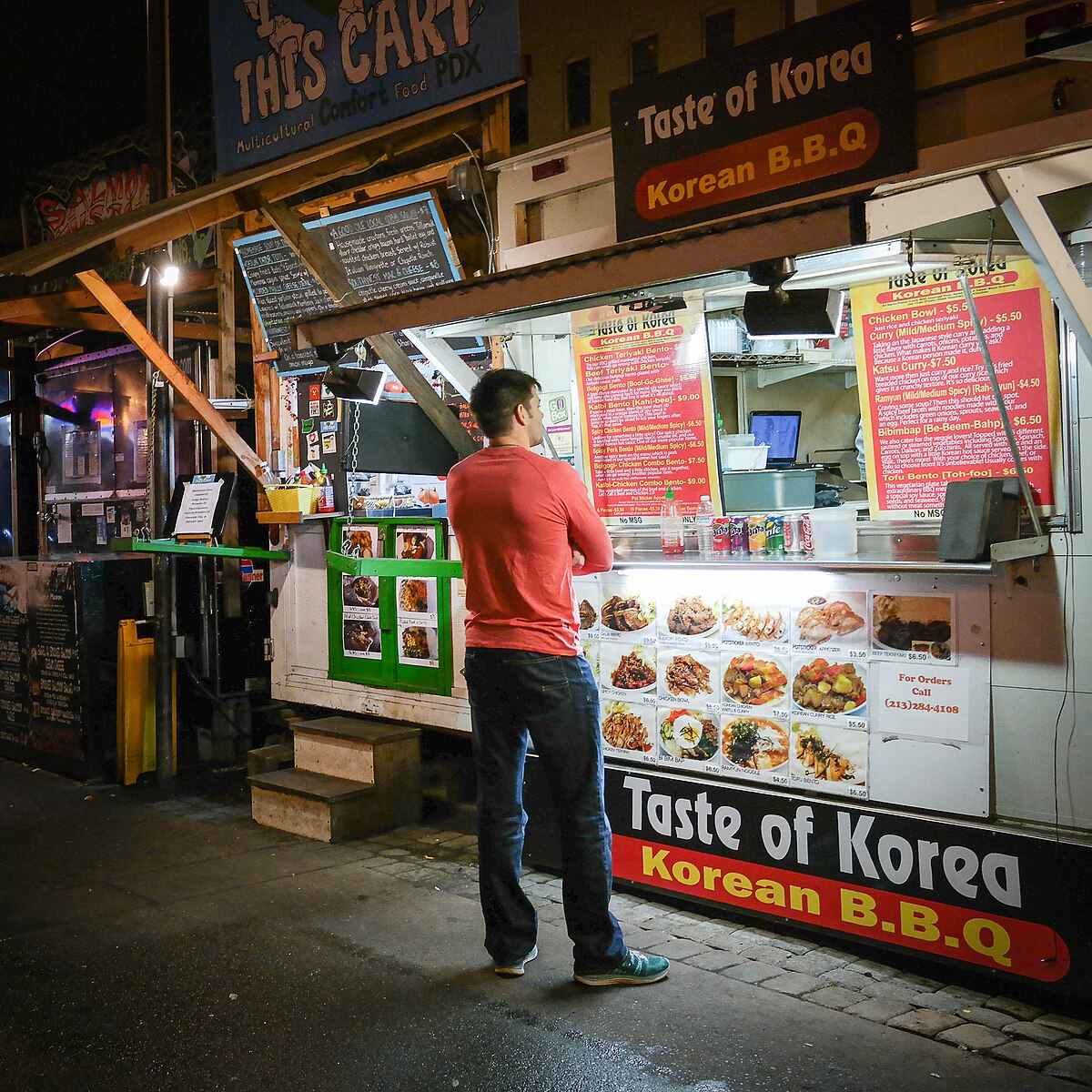
While public attitudes toward South Korea in the United States are broadly favorable, interest in food stands out among other South Korean cultural exports.

The ‘Liberation Day’ tariffs on South Korea are best understood as political tools rather than trade policy rooted in sound analysis.

Collaboration offers a promising solution to both revive U.S. shipbuilding and enhance South Korea’s material contributions to the alliance.

From May 13 to 15, 2025, the Korea Economic Institute of America (KEI) brought its Future of Korea outreach program to Burlington, Vermont.
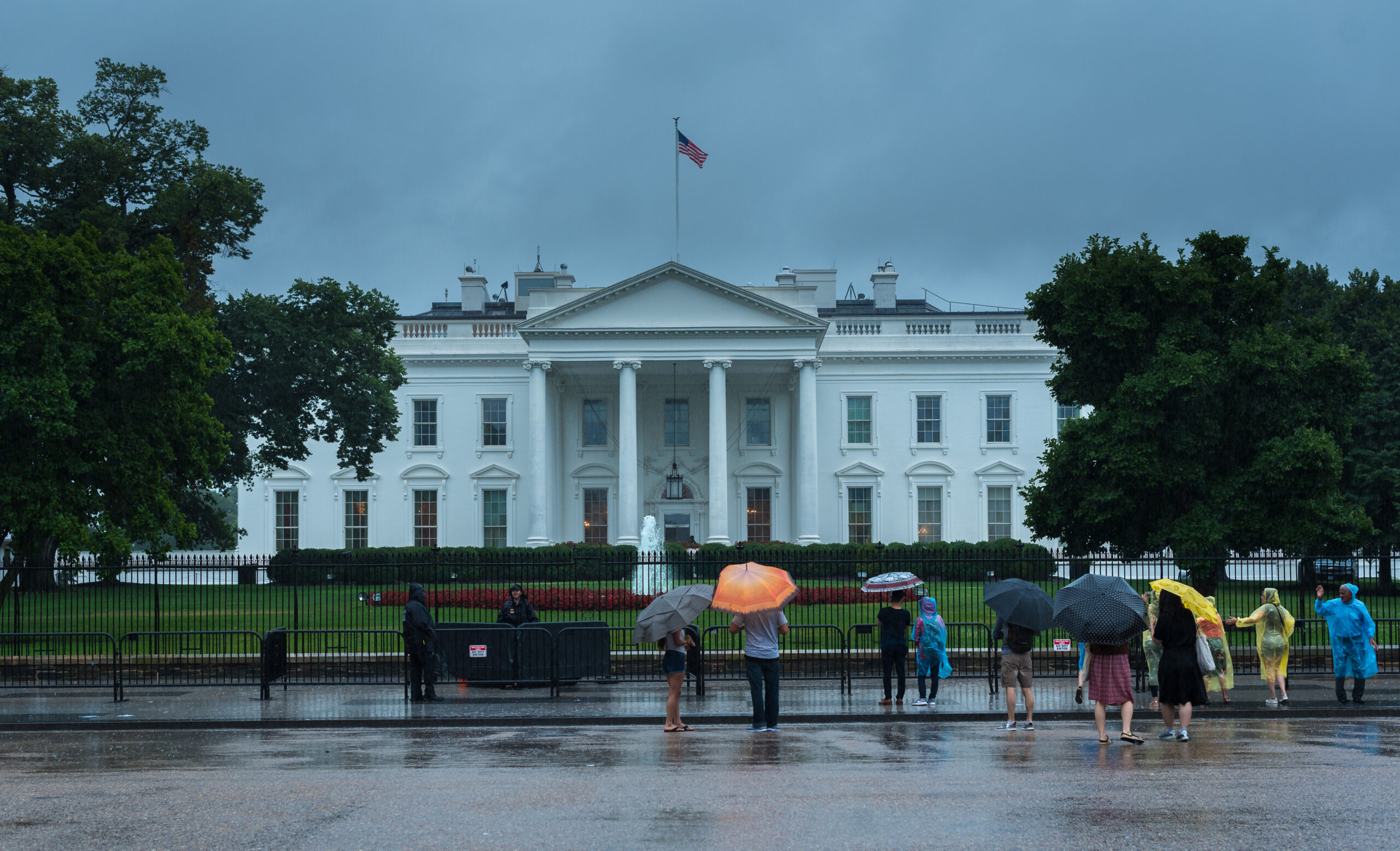
Policy uncertainty in the United States has increased, which is influencing the long-term outlook for South Korean investment decisions.
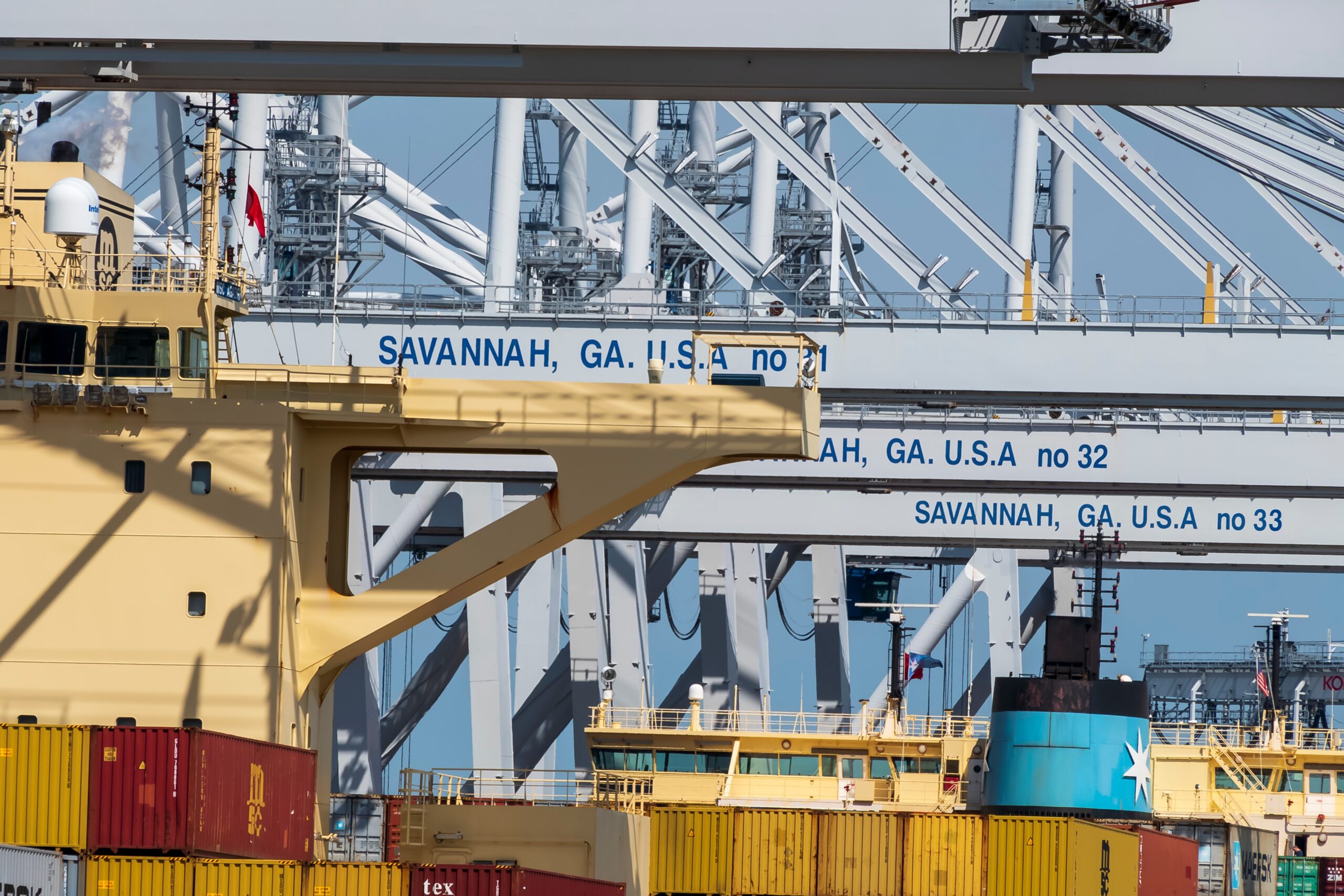
Amid tariffs and investments, many have pointed to the benefits of deep socioeconomic linkages between the United States and South Korea.

Bilateral cooperation in shipbuilding could become a linchpin of U.S. maritime security and economic strategy for decades to come.
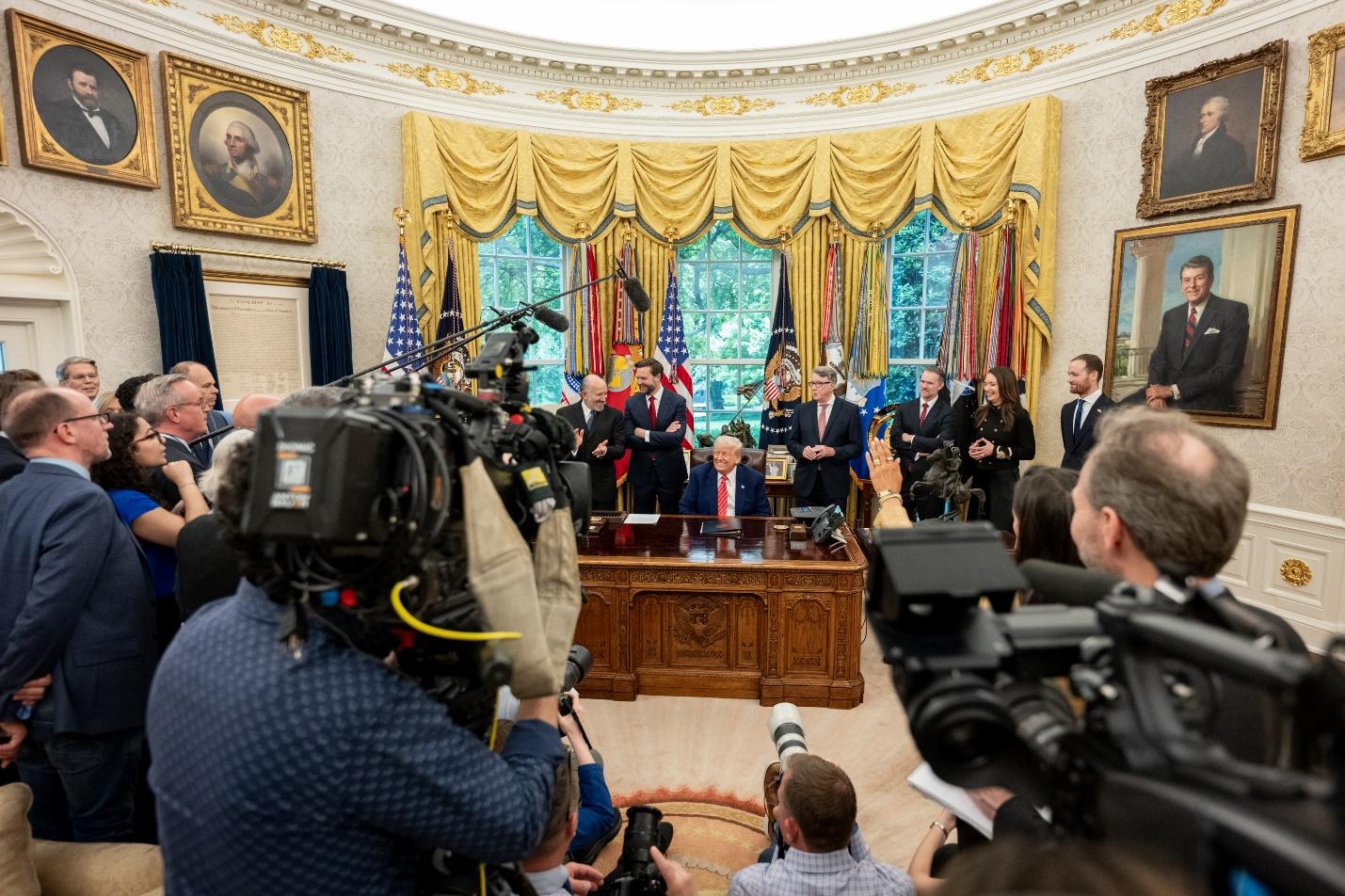
The first major deal of the year carries implications for South Korea on everything from tech trade to agriculture
New KEI research shows that perception and visibility, not dollar amounts, shape how Americans feel about foreign investment.