The Challenges of a Second Minimum Wage Increase in South Korea
The Korean government announced on July 14 that it will raise the minimum wage next year by 10.9% to 8350 won ($7.40), following a 16.9% increase this year.

The Korean government announced on July 14 that it will raise the minimum wage next year by 10.9% to 8350 won ($7.40), following a 16.9% increase this year.
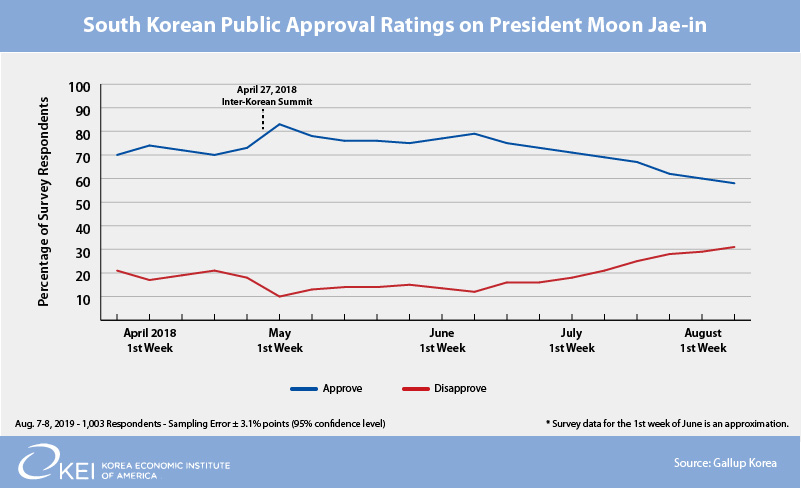
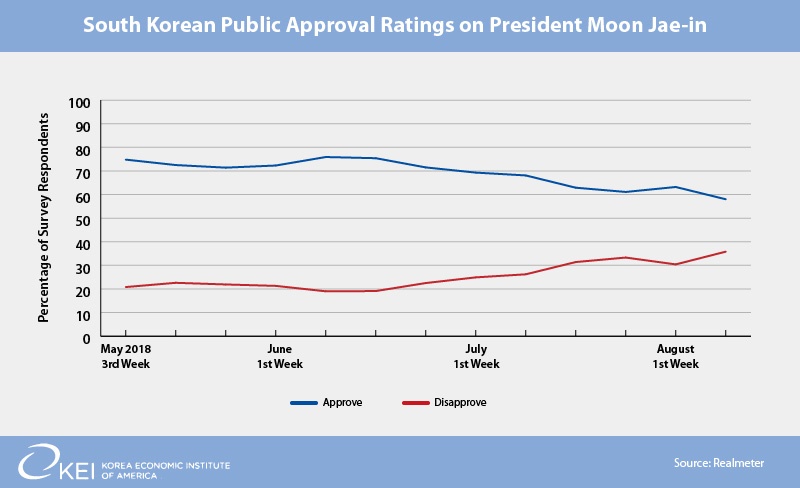
For the first time in his presidency, South Korean President Moon Jae-in has seen his approval ratings fall below 60 percent as economic issues rise to the forefront of public concern.

A recent influx of Yemeni refugees on Jeju has given rise to a confluence of economic, social, and cultural concerns among South Koreans.

As the motives and routes of defection from North Korea diversify, the number of defectors’ children born in third countries has been increasing.

The current diplomatic thaw between North and South Korea has given rise to a range of sports exchanges, here is a timeline of past and present exchanges.
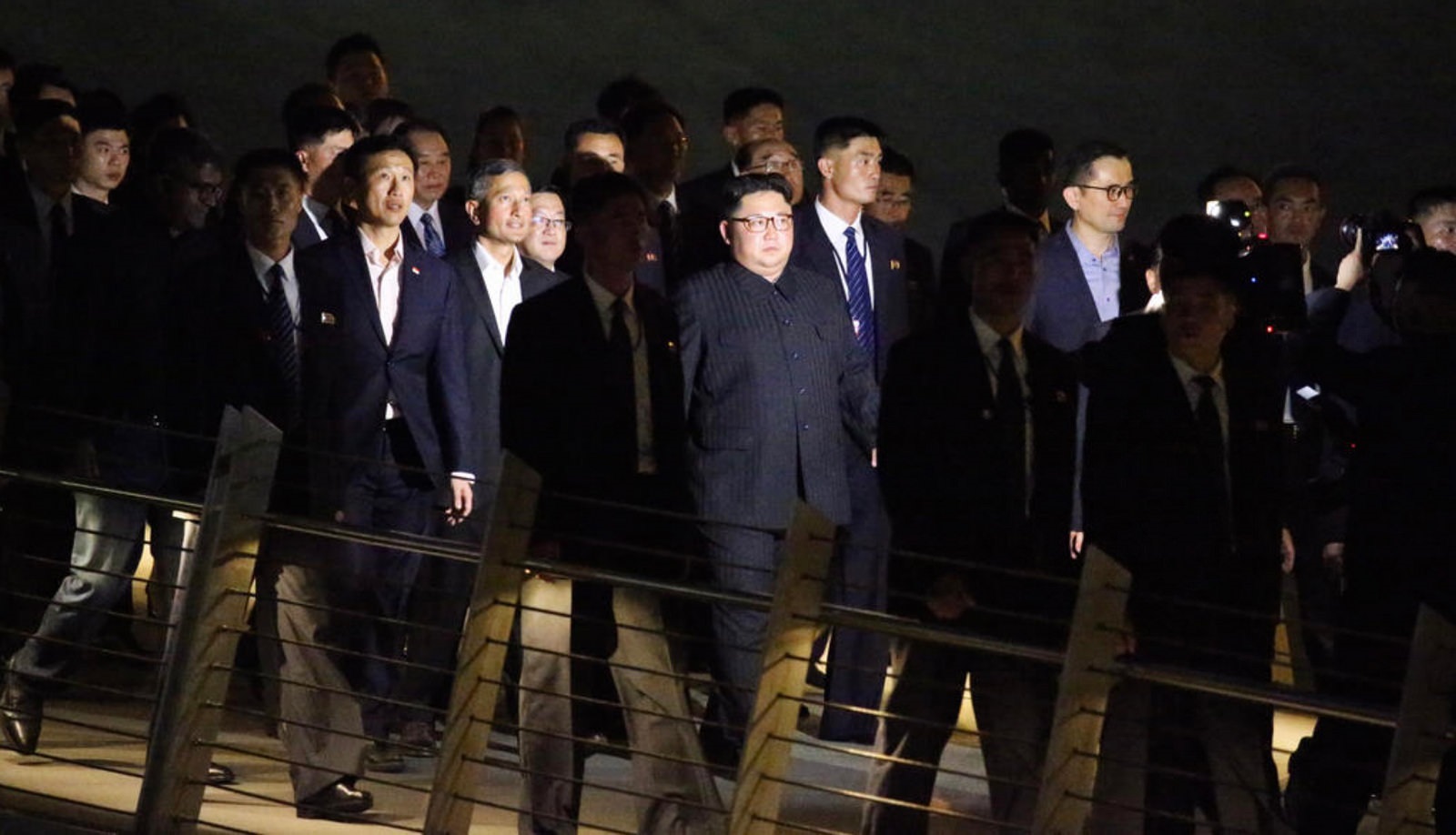
Kim Jong-un is launching his “economy first” messaging with his new emphasis on economic growth and improved living standards.

Continued nuclear-weapons development, for all the attention it receives from the outside world, is only part of North Korea’s broader strategy.

A relentless and unprecedented heat wave continues to scorch South Korea, prompting concerns of mass electricity shortages, with little relief in sight.
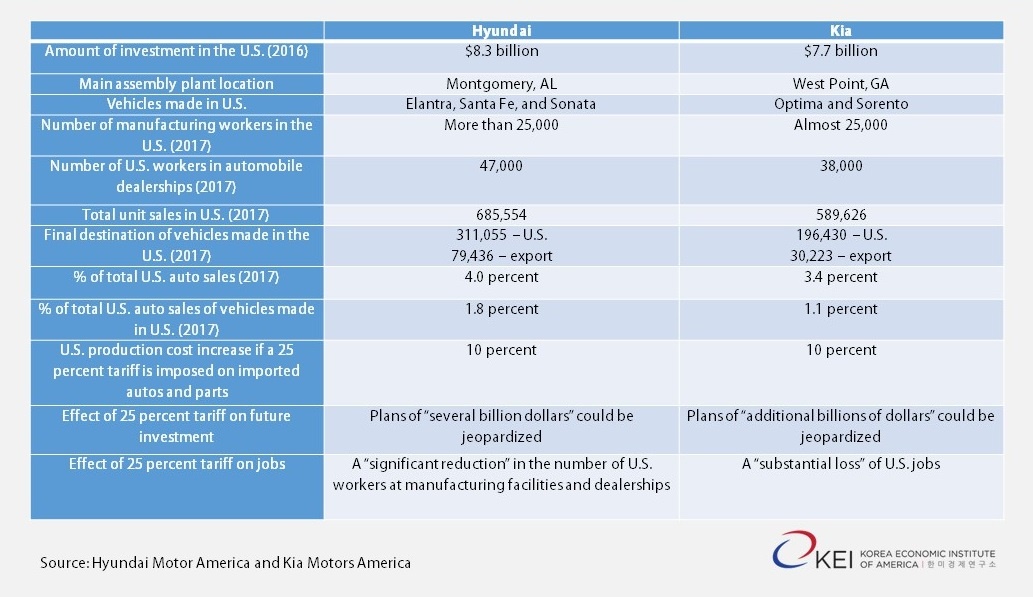
Not only are there sound economic reasons not to impose higher tariffs on Korea motor vehicle and parts imports, it will also damage U.S. national security.

UN Special Rapporteur on Human Rights in North Korea calls for an investigation into defection of 12 North Korean waitresses and their manager.