Korea-Southeast Asia-US Relations: The Gap in the U.S. Triangle?
South Korea (Republic of Korea – ROK) is well recognizedfor achieving remarkable success: transforming itself from an impoverished, war-torn society into a modern, developed, and…

South Korea (Republic of Korea – ROK) is well recognizedfor achieving remarkable success: transforming itself from an impoverished, war-torn society into a modern, developed, and…
Southeast Asia/ASEAN is enormously important to the “rebalancing” and “pivot” of American policy towards the Asia-Pacific region. In fact, in recent years, there has been…

During his campaign for the Russian presidency, Vladimir Putin wrote several lengthy articles detailing his views and policy recommendations. In his foreign policy treatise, Putin…

By Sarah K. Yun Traditionally, Korea’s major diplomatic and trade partners consisted of the United States, Japan, China, Europe, and Russia. Under President Lee Myung-bak’s…

Three reasons why food aid might help rather than hinder nuclear talks with North Korea.

By Caryn Fisher In 2009, a report released by the World Health Organization stated that the suicide rate for South Korea had risen to 31.0…

We now know that the “modest progress” after the U.S’s first meeting with North Korea after the death of Kim Jong-il actually meant that a deal regarding food aid, missile launches, and nuclear tests would be forthcoming.

Cross-Strait relations have improved dramatically since 2008. What caused such different outcomes? What lessons from the Cross-Strait relations can be applied to inter-Korea relations?
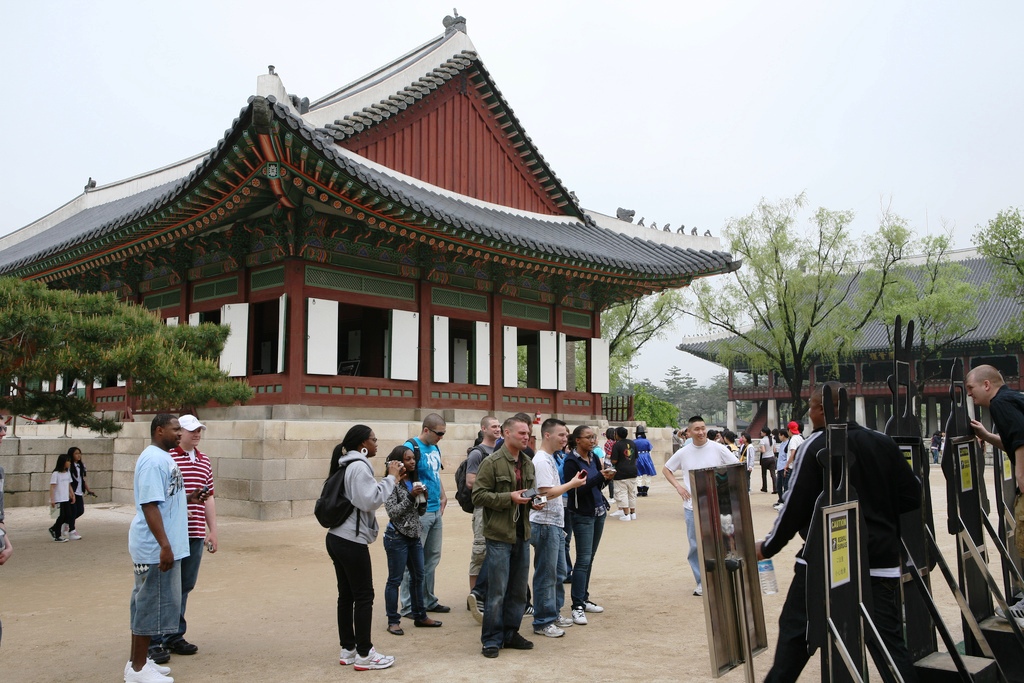
In the face of budget cuts, the education offices of South Korea’s two most populous regions announced in the second half of last year plans to reduce their roster of native English-speaking teachers in coming years.

Debates about the future of Korea were rekindled following the death of Kim Jong-il. But just how likely is unification to occur in the short to medium-term future?