Navigating Korea’s Labor Market Reforms
Faced with growing youth unemployment and public dissatisfaction with labor market conditions, representatives from South Korean labor, management, and government finalized an agreement to reform…

Faced with growing youth unemployment and public dissatisfaction with labor market conditions, representatives from South Korean labor, management, and government finalized an agreement to reform…

In the aftermath of North Korea’s nuclear test, 2016 has already begun with a new crisis on the Korean peninsula.
A good stretch of optimism in inter-Korean relations ended in December, even before tensions rose in early January 2016 with North Korea’s fourth nuclear test.
With the fourth test now behind us, the next question becomes: How should the international community react to the event?
In the aftermath of what appears to be a fourth nuclear test by North Korea the question becomes, what comes next?
As we look back at the events that helped to shape the Korean peninsula in 2015, it is also an opportunity to review the events we highlighted on The Peninsula in our annual 10 Issues to Watch For on The Korean Peninsula in 2015 blog and the key events that we did not predict.
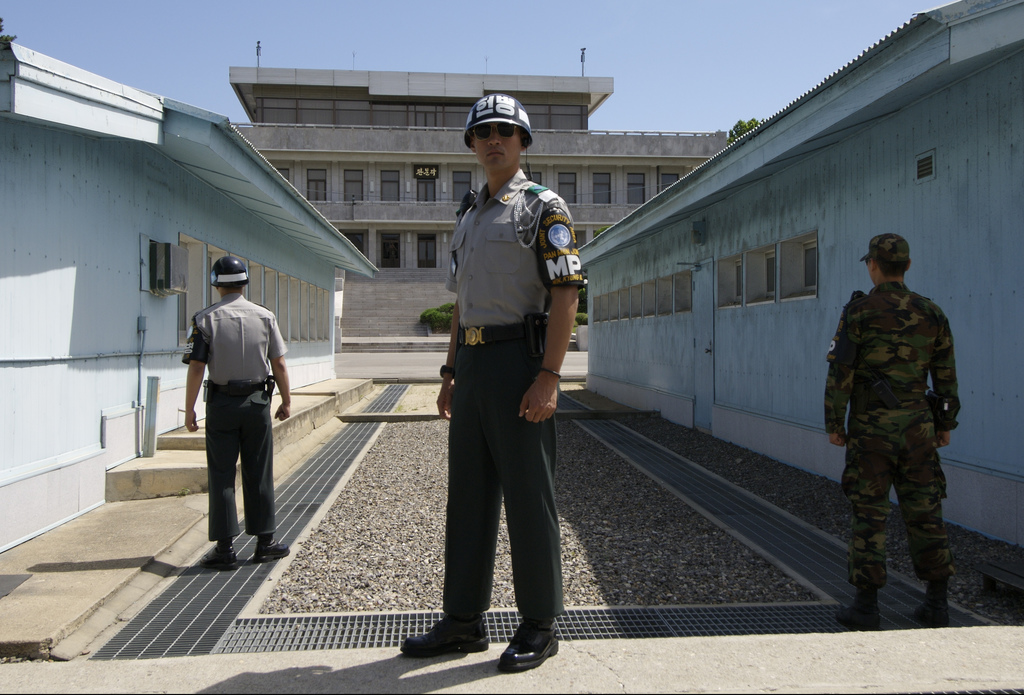
In November, both Koreas continued to demonstrate a willingness for inter-Korean contact while also maintaining a commitment to improve security. Military actions over the past few months have not scuttled opportunities for dialogue. Inter-Korean talks in November led to scheduling talks set for December 11 at the vice minister level.
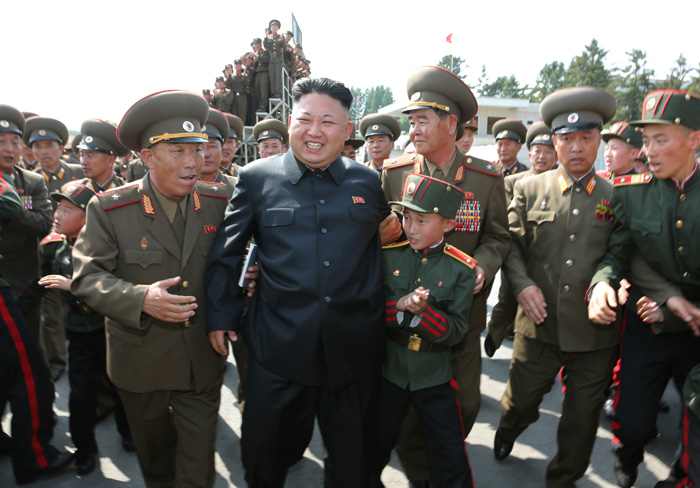
On October 22, 2015, the U.S. House Committee on Foreign Affairs held a subcommittee hearing on whether to designate North Korea as a state sponsor of terrorism

By Kyle Ferrier This year’s G-20 summit in Antalya, Turkey may best remembered for the inclusion of non-economic issues in response to the terror attacks…
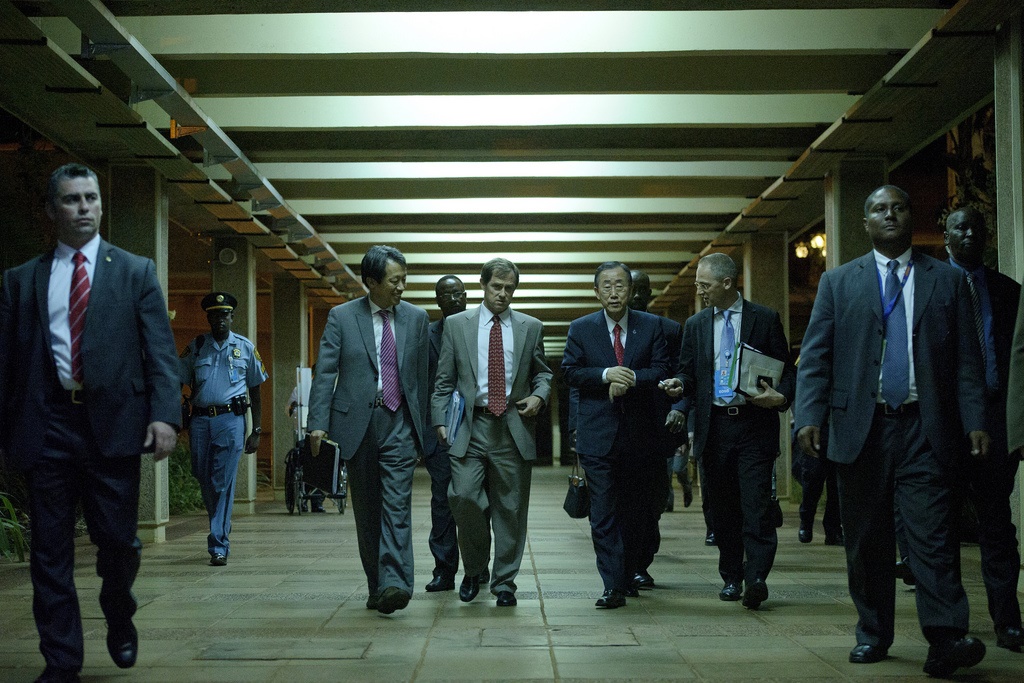
There are five issues that UN Secretary General Ban Ki-moon should raise if he is able to visit North Korea.