Helsinki Accords for Northeast Asia?
There is a desire to replicate the Helsinki process in Northeast Asia as a tool to decrease tensions on the Korean peninsula and to improve the human rights situation in the Democratic People’s Republic of Korea.

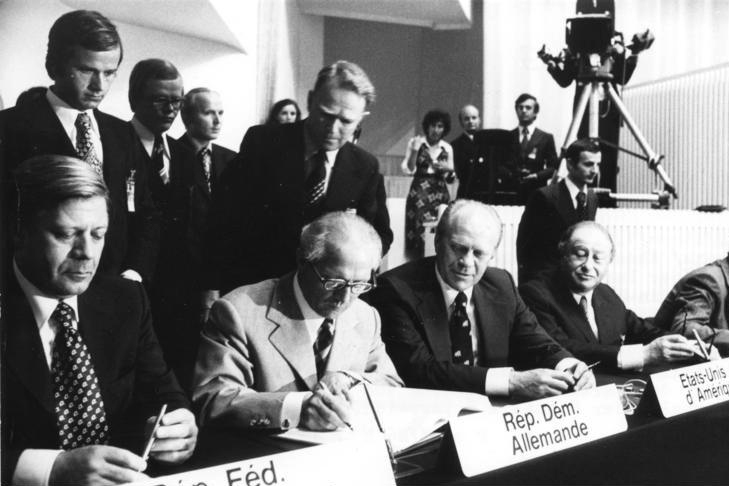
There is a desire to replicate the Helsinki process in Northeast Asia as a tool to decrease tensions on the Korean peninsula and to improve the human rights situation in the Democratic People’s Republic of Korea.
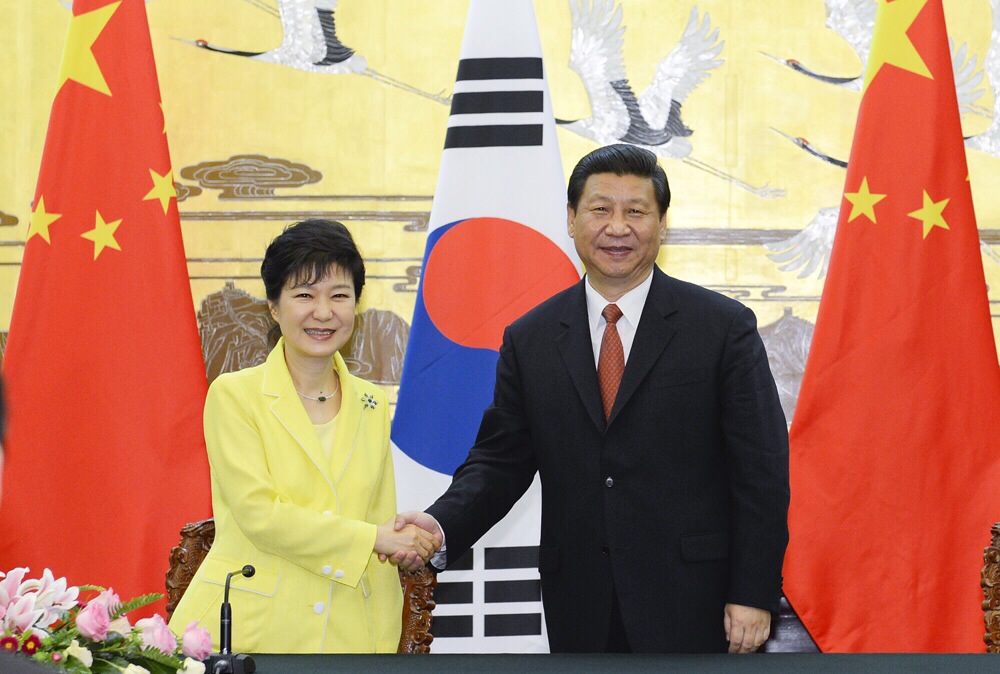
South Korea’s ambition to become a regional free trade hub in East Asia took another step towards reality as South Korea and China announced the outline of a conclusion of their bilateral FTA negotiations
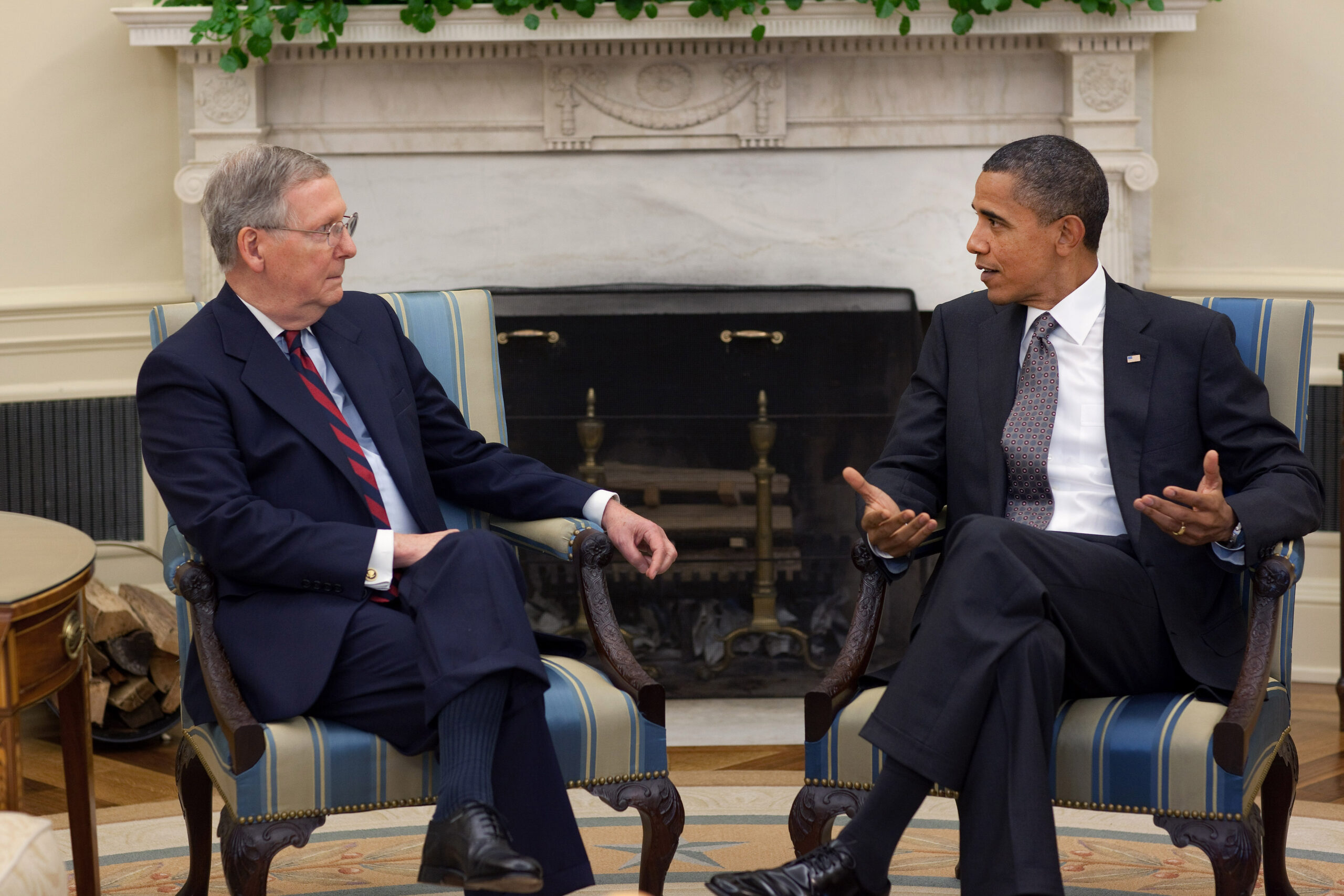
With Republicans winning a majority in the Senate for the first time in eight years, President Obama will face a Republican Congress for his final two years in office.
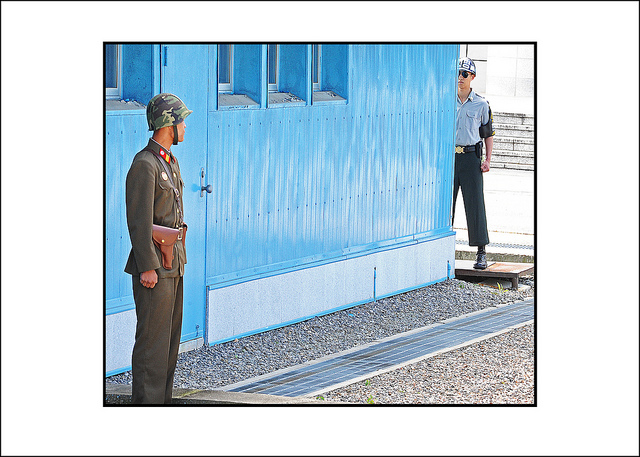
While Kim Jong-un may be ill for now, each day he is not seen increases the possibility that he is being sidelined.

In September, there were two chances for North and South Korea to have high-level meetings, yet they were unable to take advantage of those opportunities.

Korea has begun to play greater role internationally as a rising middle power across a range of issues, including climate change.

Issues for the new U.S. Ambassador to help keep the U.S.-Korea alliance strong and active, both in the Northeast Asia region and around the globe.

For South Korea and India, a new bilateral project will be necessary to propel the South Korea-India strategic partnership to a higher intensity of relations.

As is often the case in dealing with North Korea, the ability to create and sustain connections from these potential signals will be key for actual progress in inter-Korean relations.
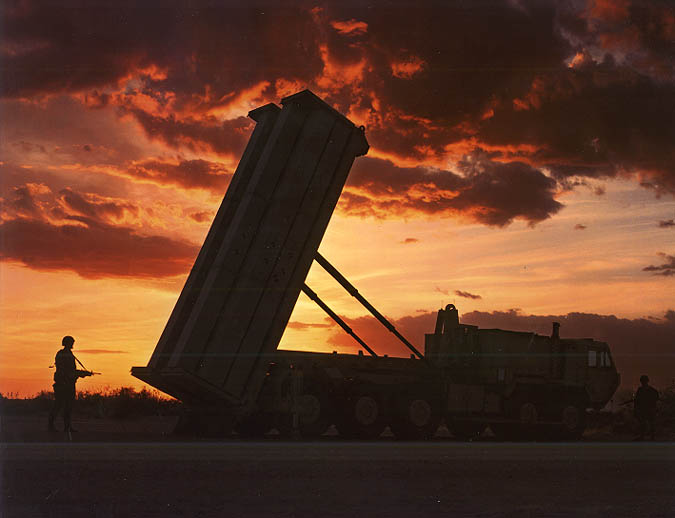
In recent years, the United States expressed interested in deploying the Theater High Altitude Area Defense missile system or THAAD, onto the Korean peninsula to counter North Korea’s growing missile threats.