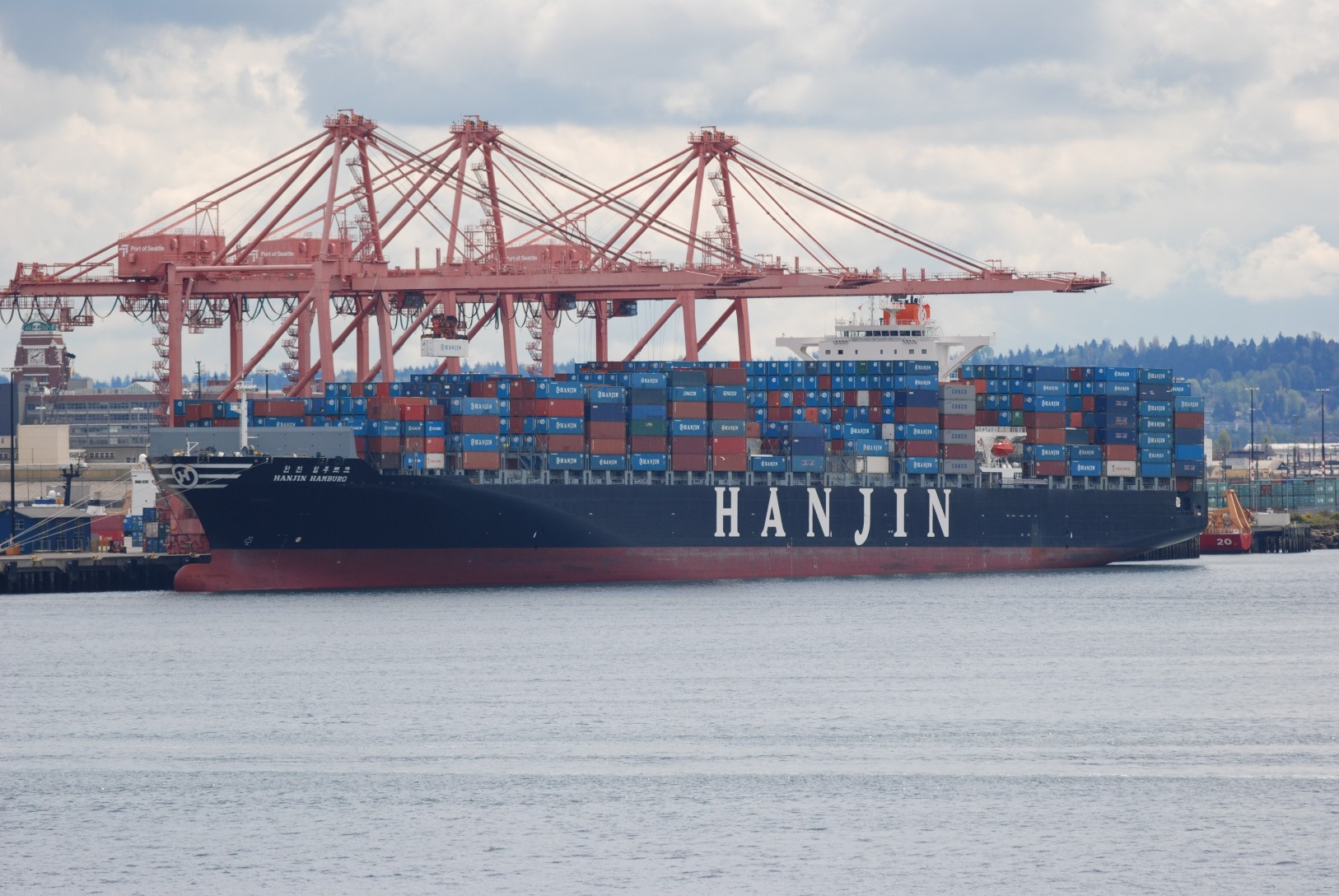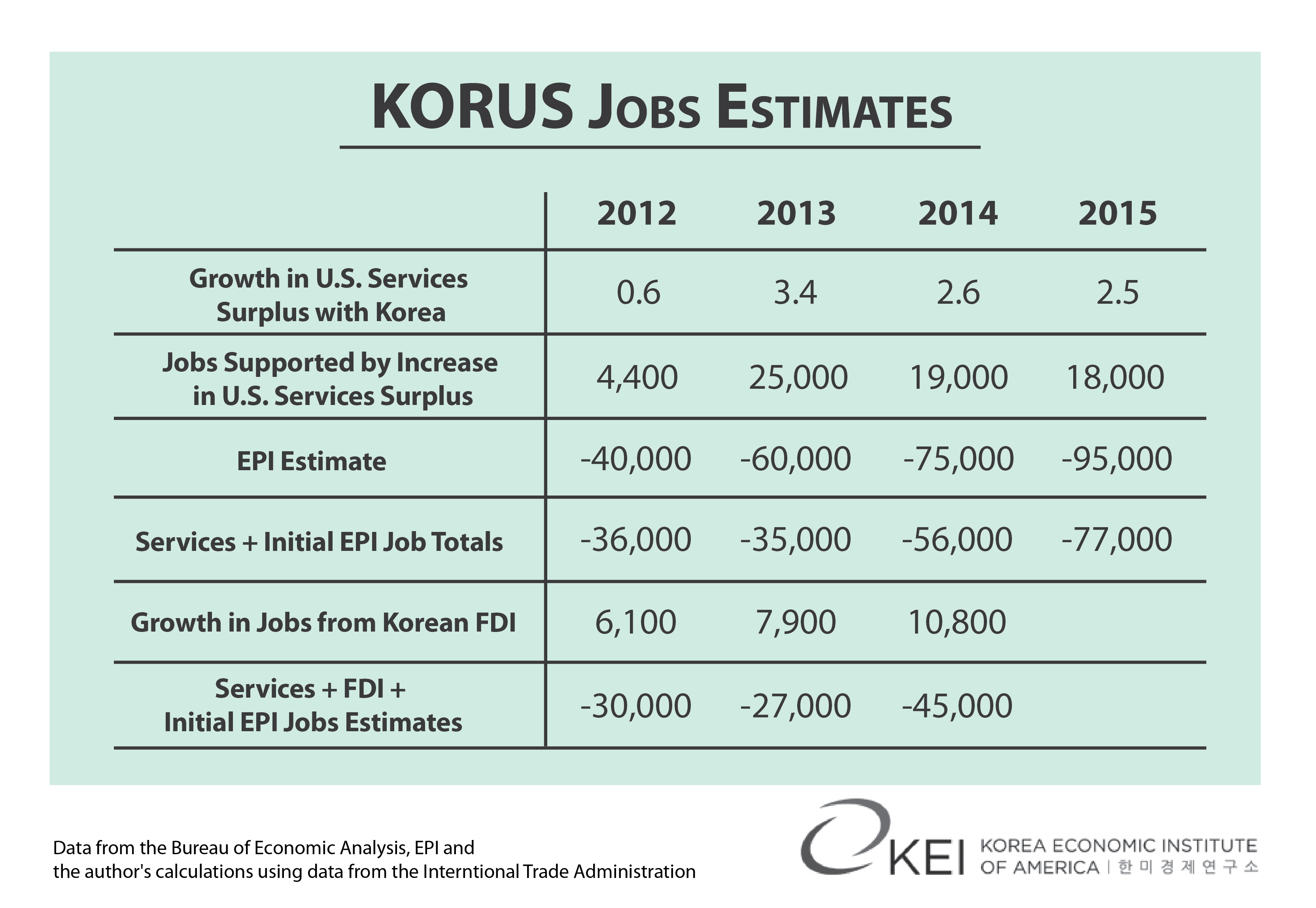

Has the KORUS FTA Cost the United States 100,000 Jobs?: Part I – A Look at Trade in Goods
Do claims of the KORUS FTA costing the United States 100,000 jobs hold up?
International trade has become a top-tier political issue during this U.S. election cycle that has come together to create a “perfect storm” for candidates at all levels in both political parties.
As the Korean economy started growing, its relations with the labor sector also started changing, and so has one of its most basic factors, the wages of the workers.
North Korea and South Korea are different, but sometimes it takes a crisis in each country to draw those differences out.
These days, college students graduate into a competitive job markets where a high unemployment rate and an oversupply of workers coexist.
With scant information on American public opinion regarding Korea and its importance, a recent survey by the Chicago Council on Global Affairs provides valuable insights into public views.
Last night’s debate between former Secretary of State Hillary Clinton and businessman Donald Trump highlights trade as a top tier political issue in the upcoming U.S. presidential election.
Is there a reason for this rash of strong earthquakes in Korea in such a short time-frame? Moreover, is Korea prepared for a major earthquake?
Any student of Korea policy knows “The Two Koreas,” by Don Oberdorfer. Famous both for its physical heft and its incredible detail, this book is regularly referenced as the go-to history book in Korea policy circles.
A number of media outlets linked the drop in the KOSPI and the value of the won to North Korea’s nuclear test, but to what extent is this actual causality or a coincidence?