Changing South Korea’s Espionage Law is Good for Business
Reforming the country’s espionage law enjoys bipartisan support, and a proposal is now under consideration in the National Assembly.


Reforming the country’s espionage law enjoys bipartisan support, and a proposal is now under consideration in the National Assembly.
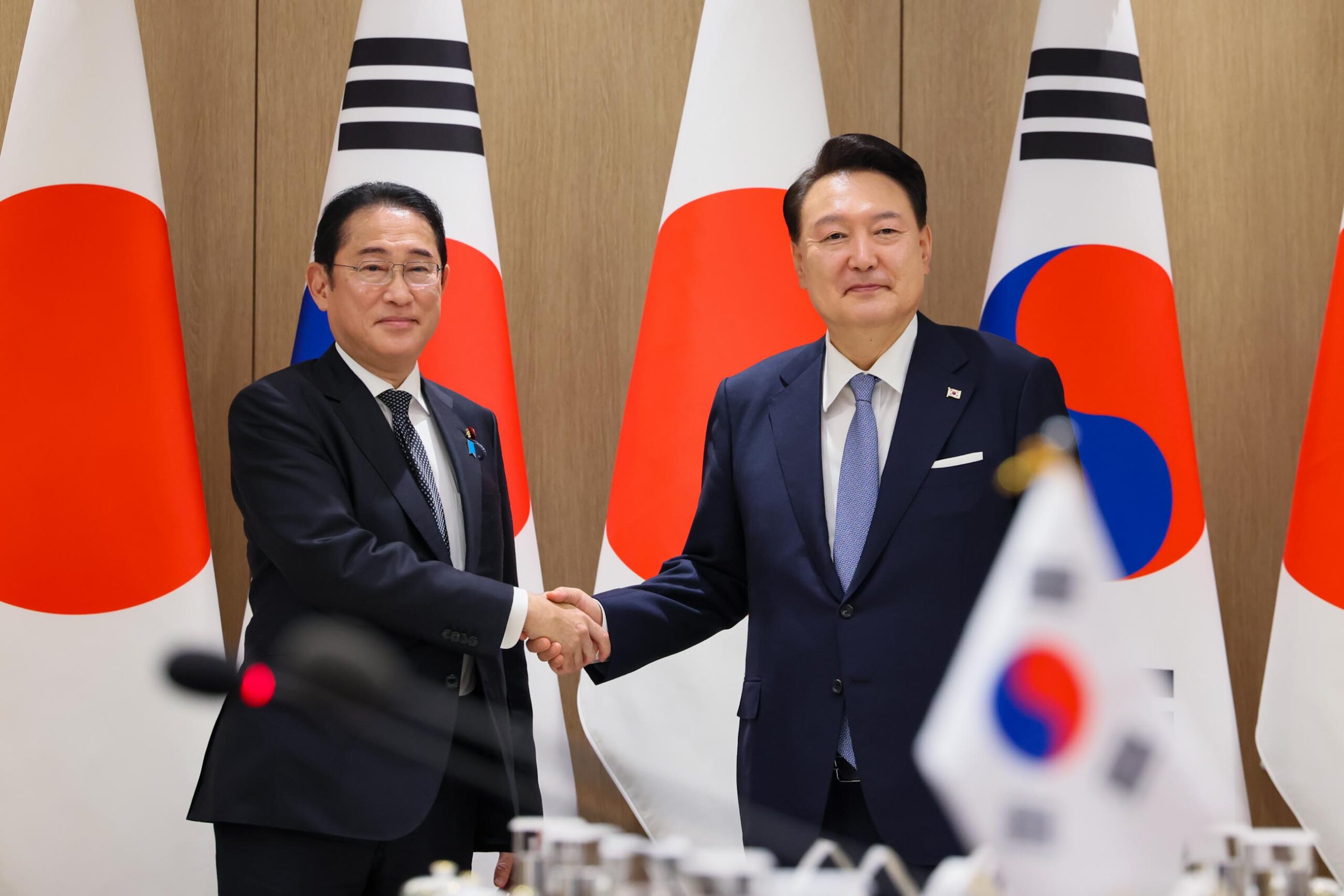
Amid Japanese Prime Minister Kishida Fumio’s decision to not run for re-election, the sustainability of improved Korea-Japan relations and the future of bilateral ties is uncertain.

One perplexing trend is the less sanguine numbers reported on the general perception about the country’s macroeconomic performance.
For Immediate Release September 8, 2024 WASHINGTON, DC — The Korea Economic Institute of America (KEI) is pleased to announce the Ambassadors’ Dialogue, which is…

South Korea is emerging as a leading force in the global art market, attracting a large number of museum visitors, government investment, and galleries worldwide.

Among OECD countries, South Korea’s public sector finances a lower proportion of the country’s health expenditures, resulting in high out-of-pocket payments for healthcare.

South Korea’s hard-earned opportunity to regain its position in global nuclear power exports should be carefully managed and leveraged.

The MZ Generation’s preferences and perceptions will have considerable influence over South Korea’s policies on unification.

The aging population will reduce productive capacity faster than capital accumulation and pronatalist policies can compensate.

Rapid demographic change makes it essential to improve the efficiency of Korea’s healthcare system to contain the rise in spending.