Korean Classical Musicians Need to Become Entrepreneurs
Classical music is a dying art that is shrinking partly due to the lack of entrepreneurial innovation. This trend is especially evident in South Korea.

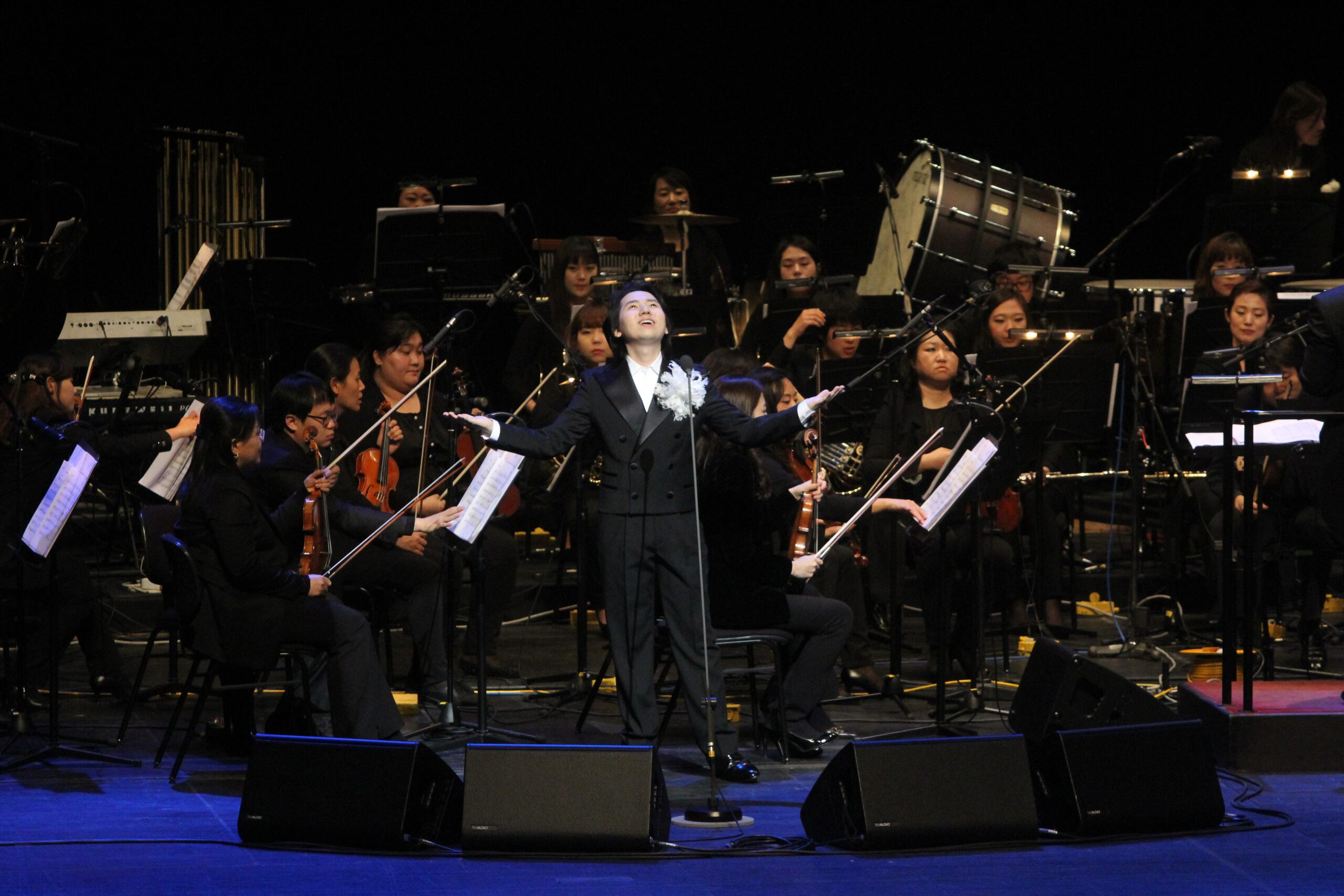
Classical music is a dying art that is shrinking partly due to the lack of entrepreneurial innovation. This trend is especially evident in South Korea.
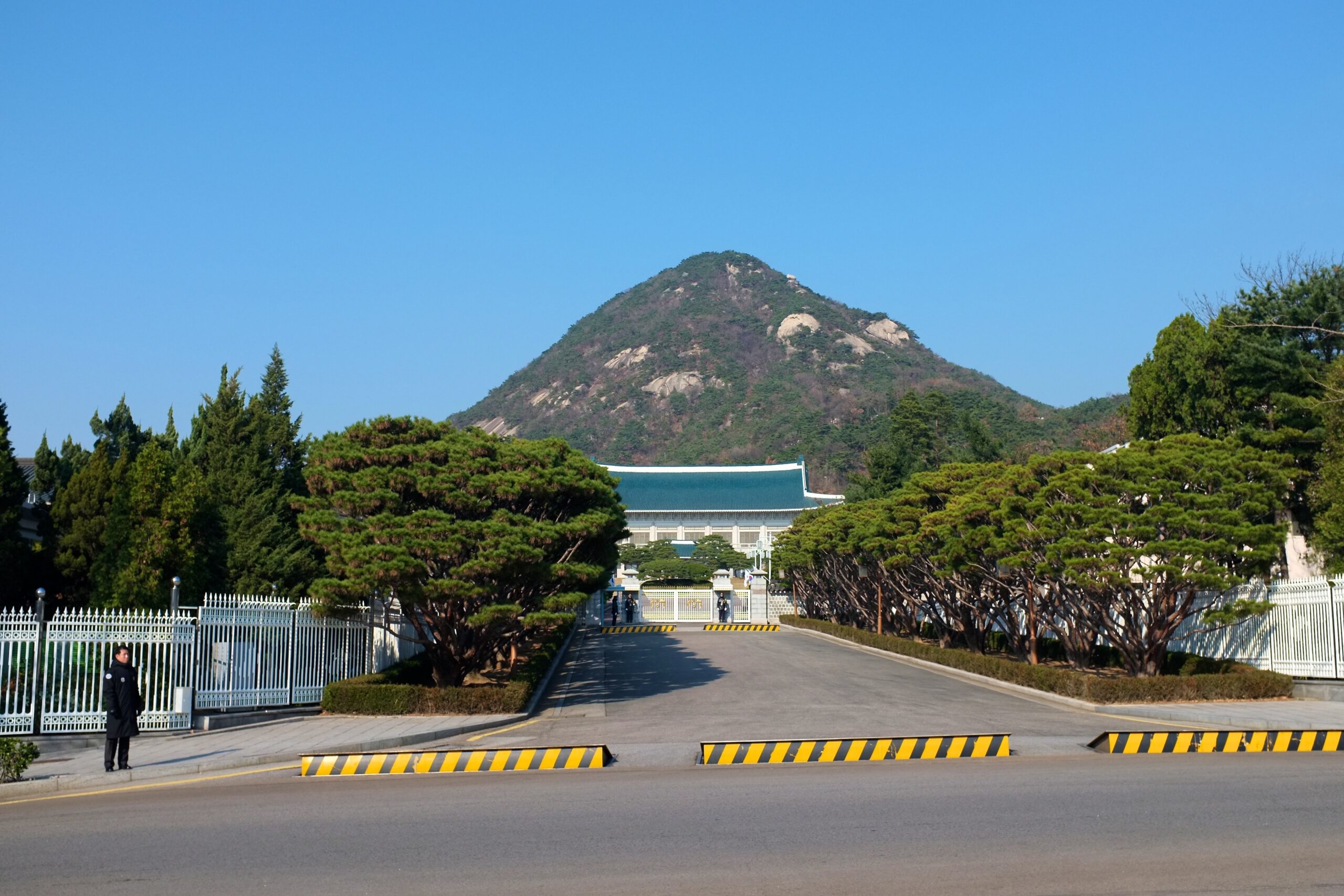
There is a small but growing body of commentary arguing that Washington and Seoul are drifting apart on North Korea policy.

This will be the second time that the United States has pushed to renegotiate the KORUS FTA, which was originally signed in 2007 but not implemented until 2012.

Contingencies are needed in the case of a North Korean attack to prepare better interagency coordination and security in a homogenous megacity like Seoul.
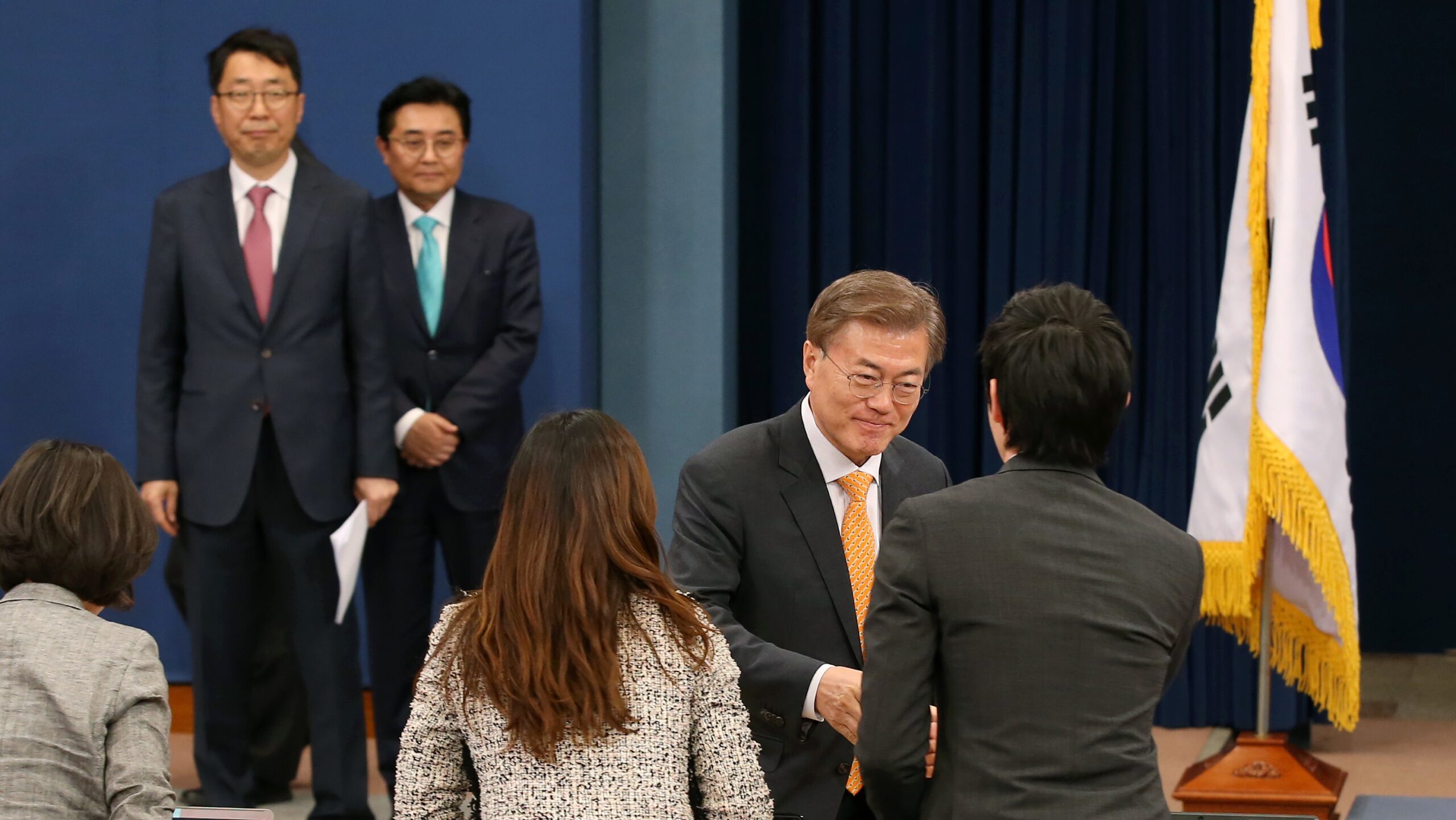
Moon Jae-in is showing he is different not by tearing apart Park Geun-hye’s legacy entirely, but rather by utilizing part of it to his advantage.

In July 2017, South Korea’s Minimum Wage Commission finalized the decision to increase the country’s minimum wage by 16 percent to 7,530 won ($6.60) per hour in 2018.

The expression “Korea Passing” is being used more frequently these days as North Korea and the U.S. are talking mostly to each other.

South Korea continues to demonstrate its confidence in America by once again in 2016 increasing its holdings of $38.8 billion in investments at U.S.-based companies, nearly double the level the year prior to the implementation of the Korea-U.S. Free Trade Agreement (KORUS FTA) in 2011.
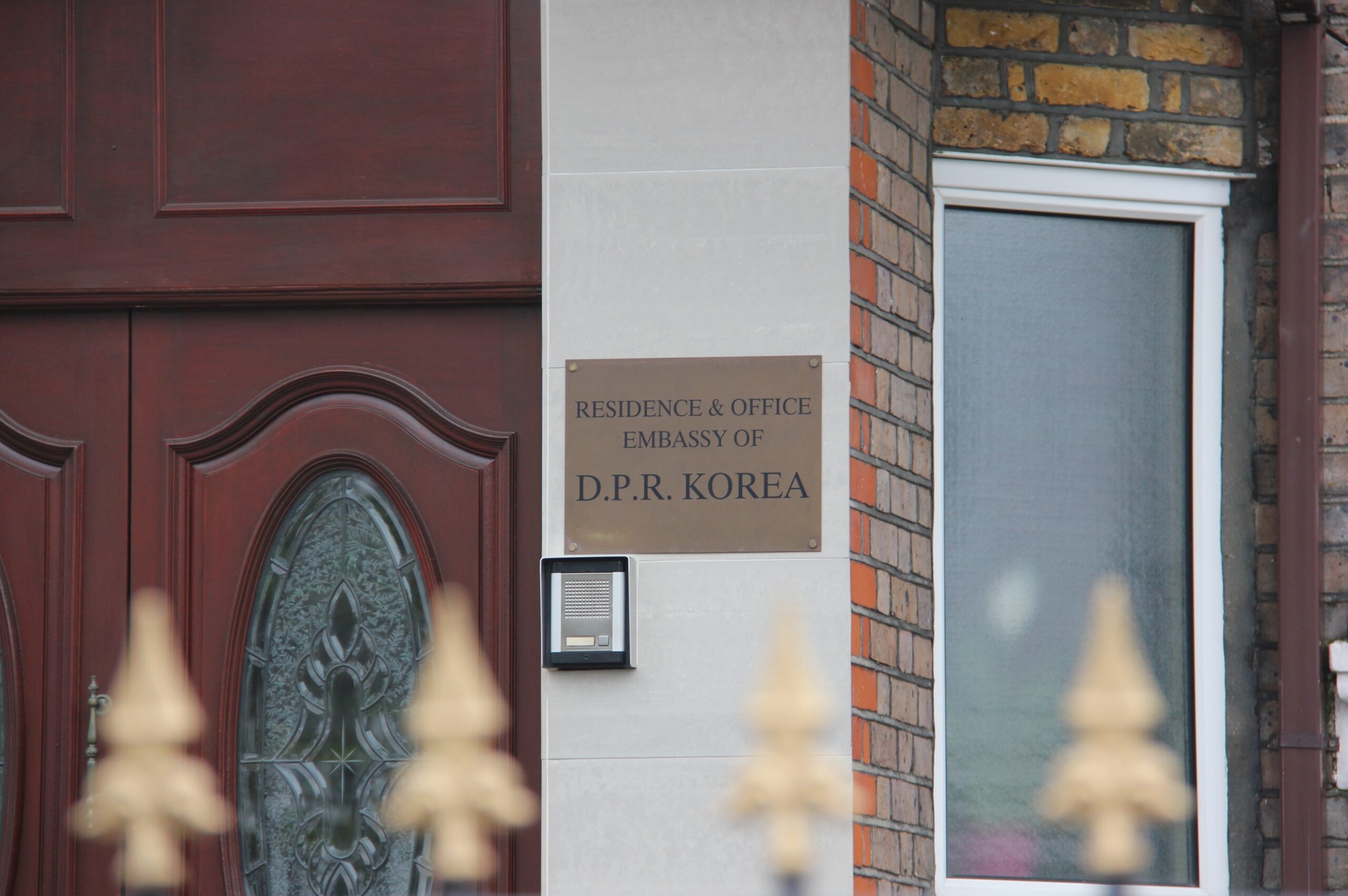
In back-to-back announcements, both Peru and Mexico announced that they would be expelling the North Korean ambassador from their countries, although they stopped short of cutting off diplomatic ties altogether.
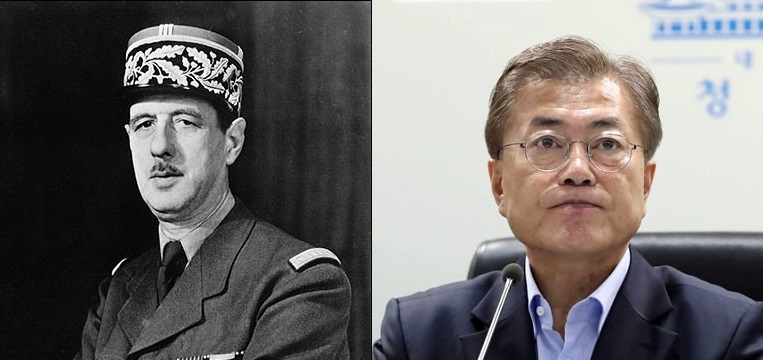
One contextual parallel between the two presidents is that Moon and de Gaulle both came to power following a domestic political crisis.