The Elusive Korean Language Major
The surge in Korean study may be a result of K-pop and K-dramas, but the number of U.S. schools offering a Korean major is lowest when compared to Japanese, Chinese, and Arabic.

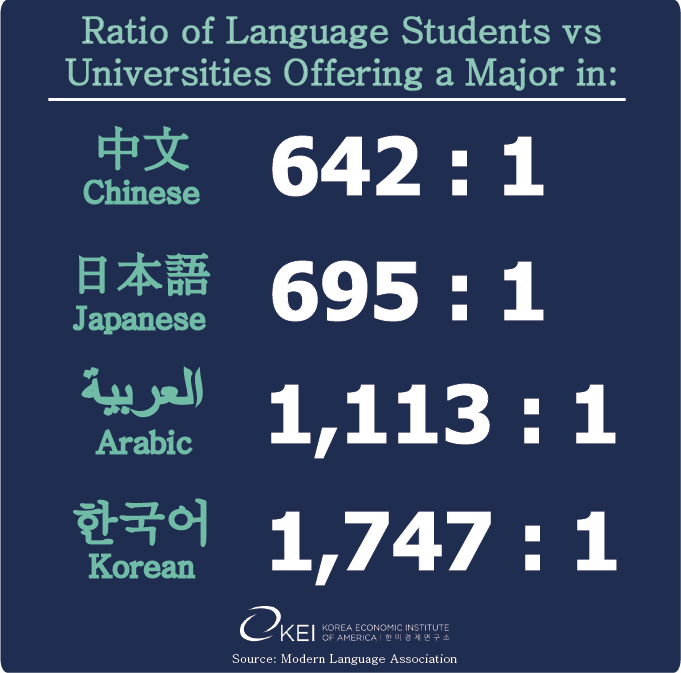
The surge in Korean study may be a result of K-pop and K-dramas, but the number of U.S. schools offering a Korean major is lowest when compared to Japanese, Chinese, and Arabic.
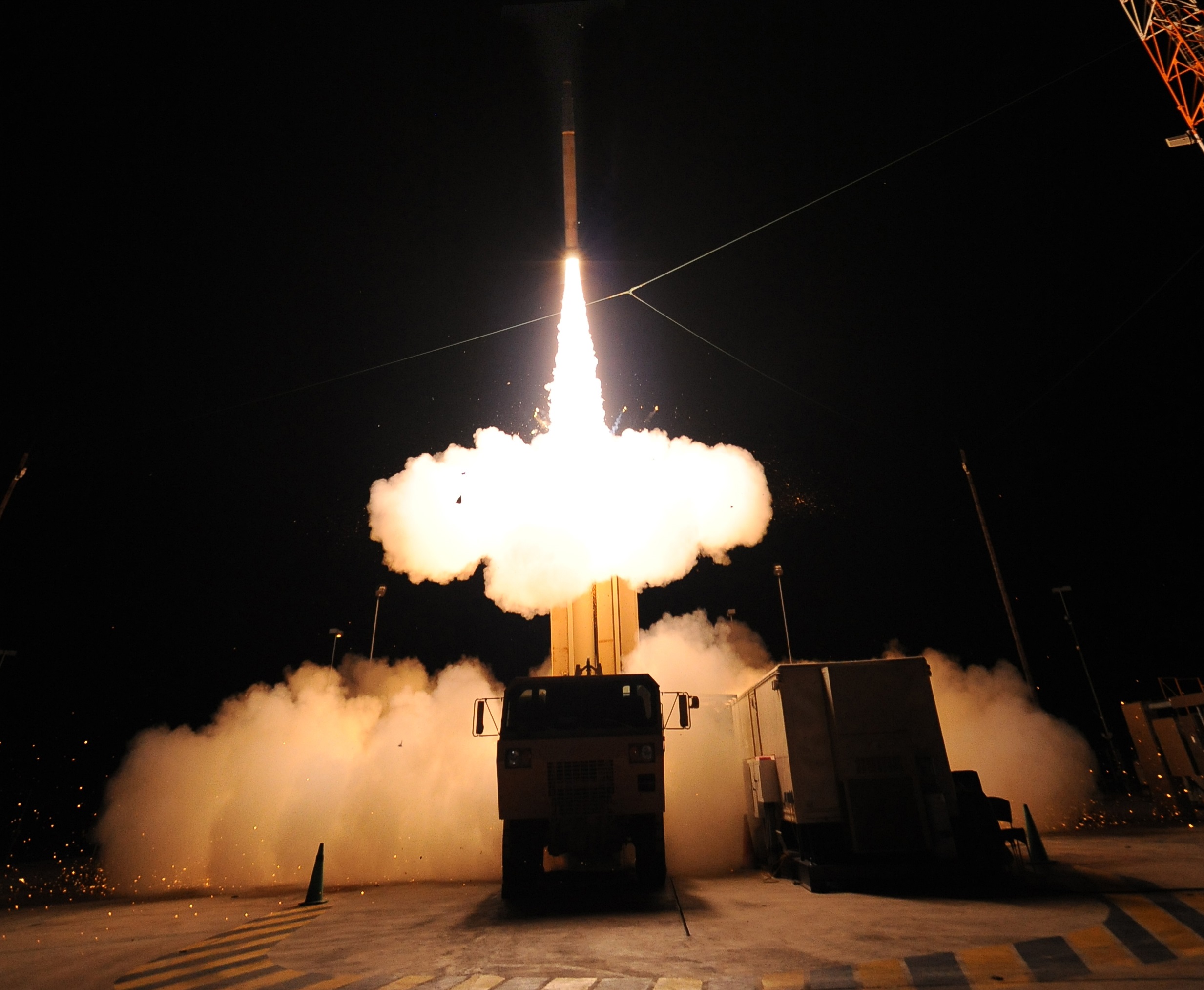
Headlines proclaimed the end of the dispute over THAAD, which China insists will harm their national security. However, these celebrations may be premature.
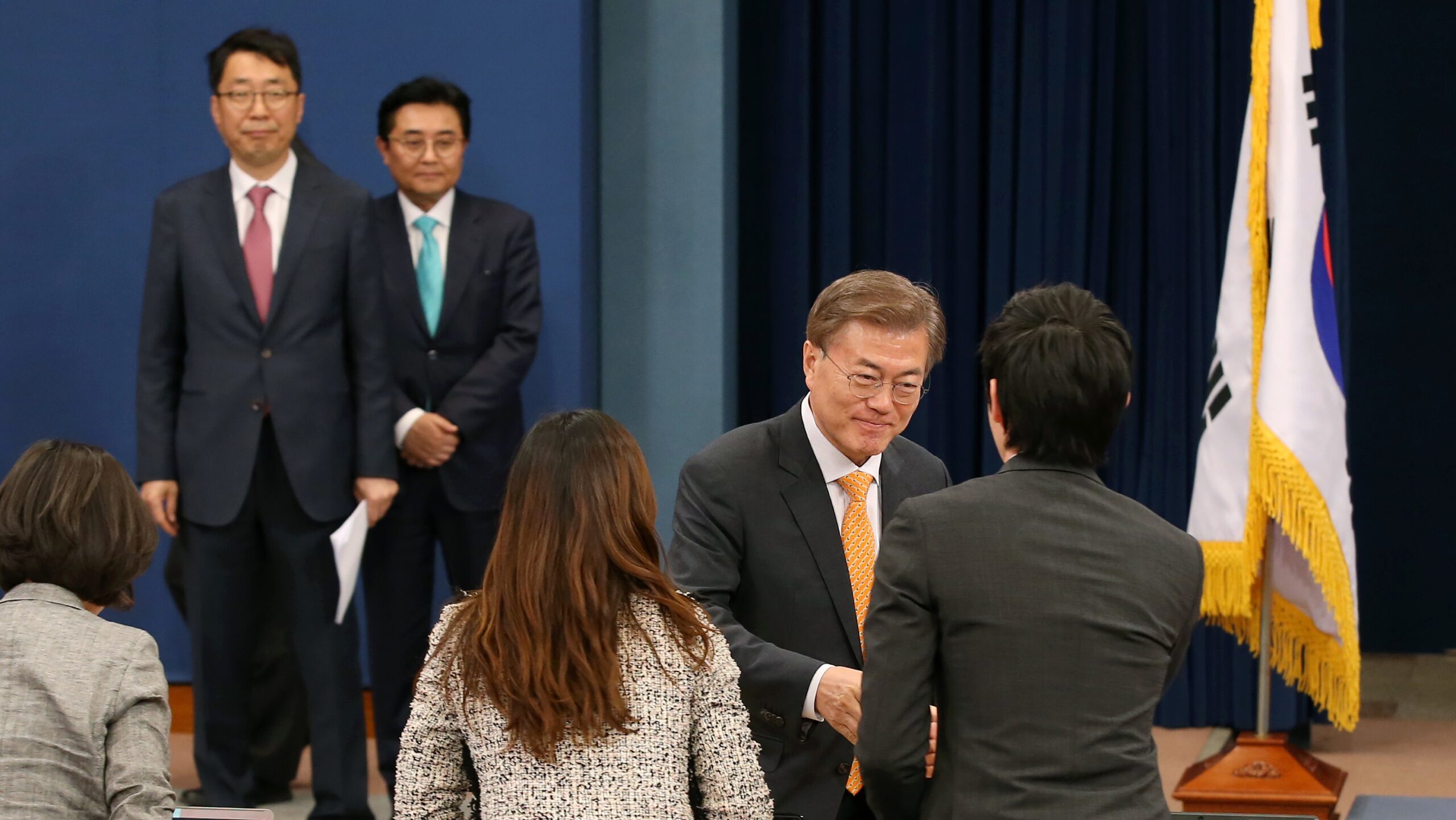
Part of President Moon’s plans for re-invigorating the economy is to address the problem of unemployment, especially among Korea’s young people.
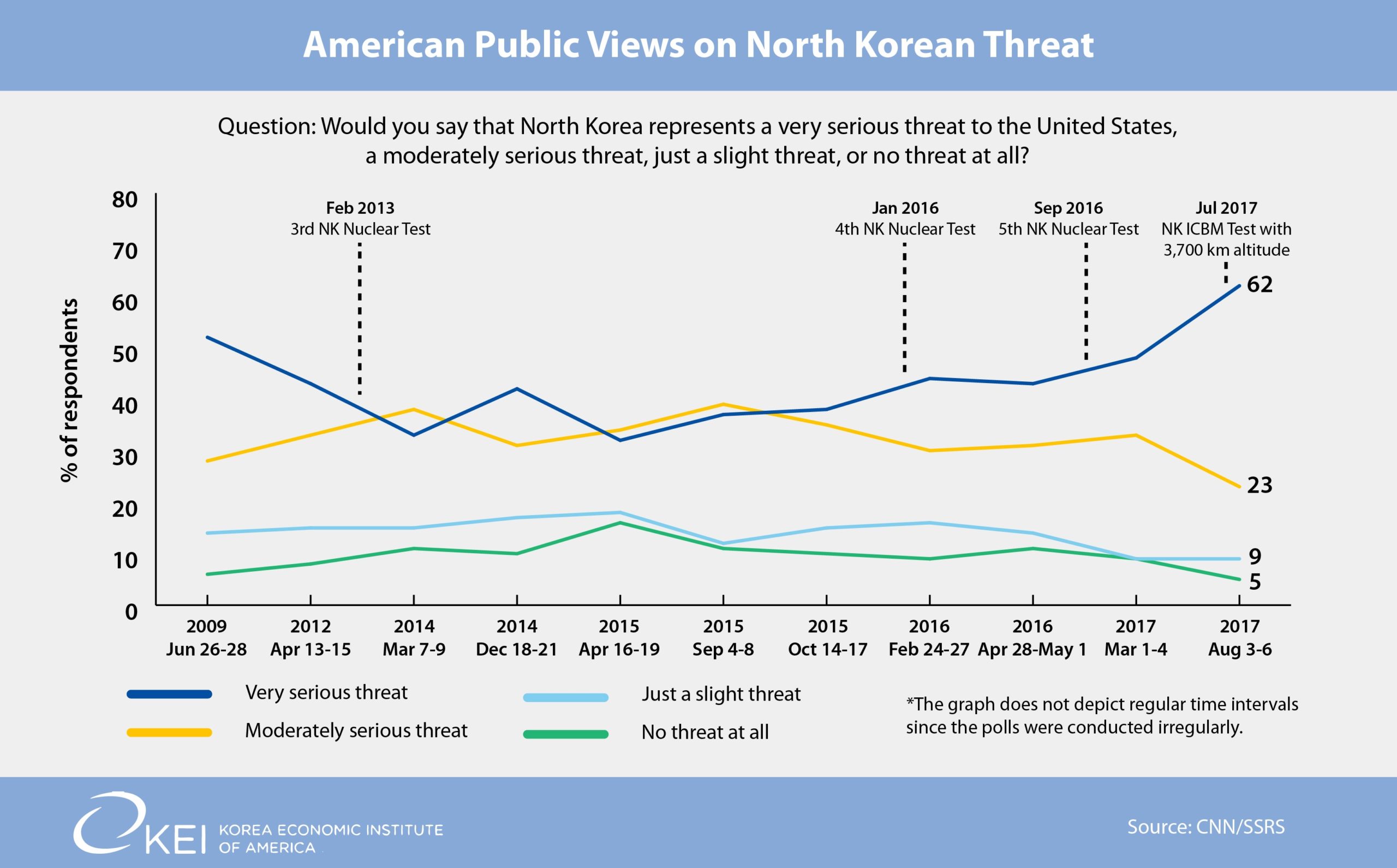
Despite growing American concerns over North Korea’s weapons capabilities, South Koreans increasingly view war with North Korea as less likely.
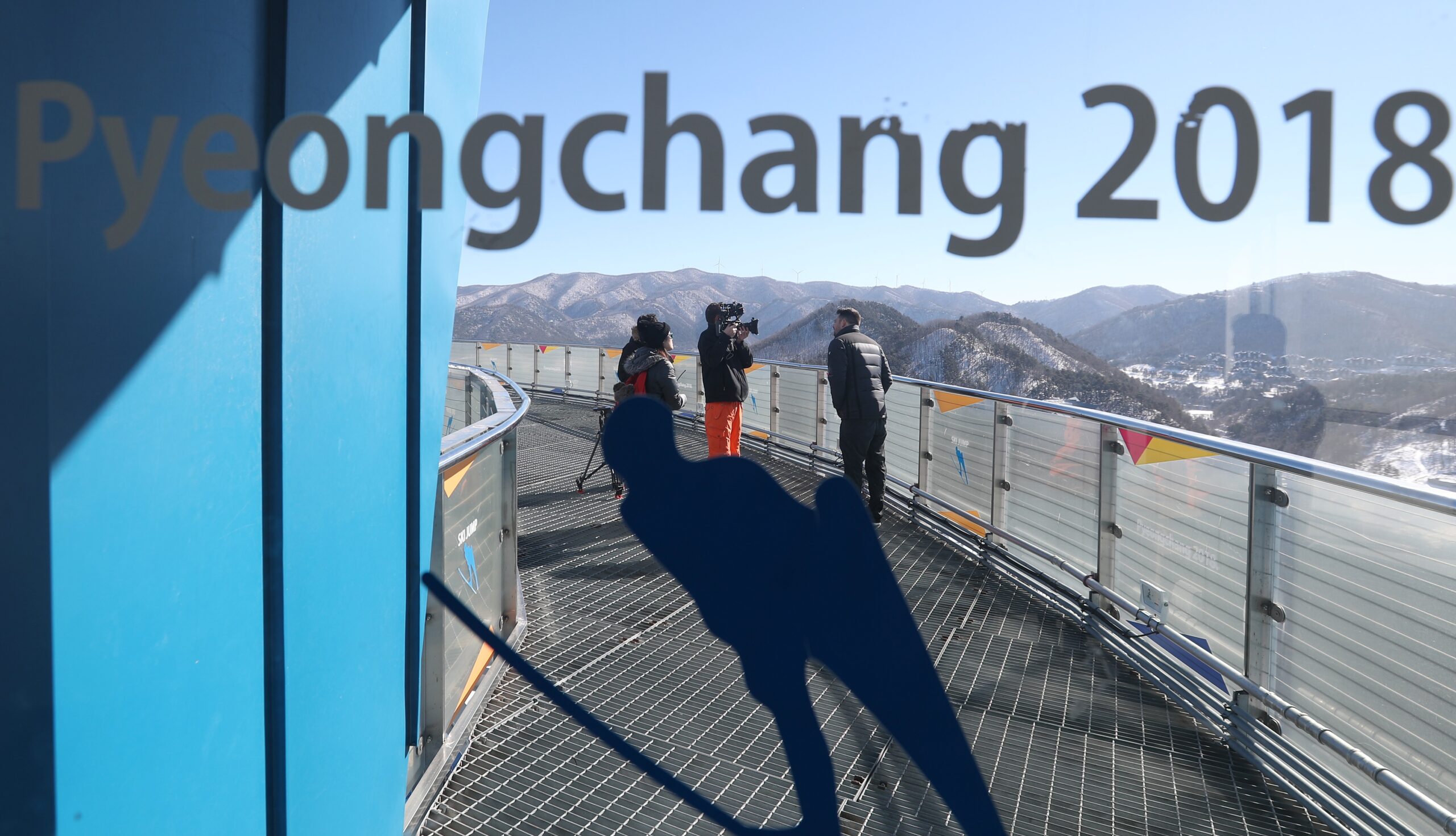
The 2018 Winter Olympics in Pyeongchang could provide an avenue for China to signal a softening of its position on sanctions over THAAD.

Starting on October 27, a Turkish film festival in Seoul will help celebrate the 60th anniversary of modern diplomatic ties between Turkey and South Korea.

While Hallyu may have worked in markets that are geographically near South Korea, for many years it had not received as much enthusiasm in the U.S. market.

The decision by the Moon Administration to shift from coal and nuclear power to LNG has long-term implications for South Korea’s trade surplus with the United States.

As the industry shifts toward electric vehicles, South Korea will need to consider the current state of the market for electric vehicles in South Korea.

Uber’s successful launch of UberSHARE and UberEATS in South Korea raises an important question: why is UberX still not offered?