International Women’s Day in South Korea – Slow but Steady Progress
Korea ranks last in gender wage gap, women in managerial positions, and women on company boards, and next-to-last in the labor force participation rate.

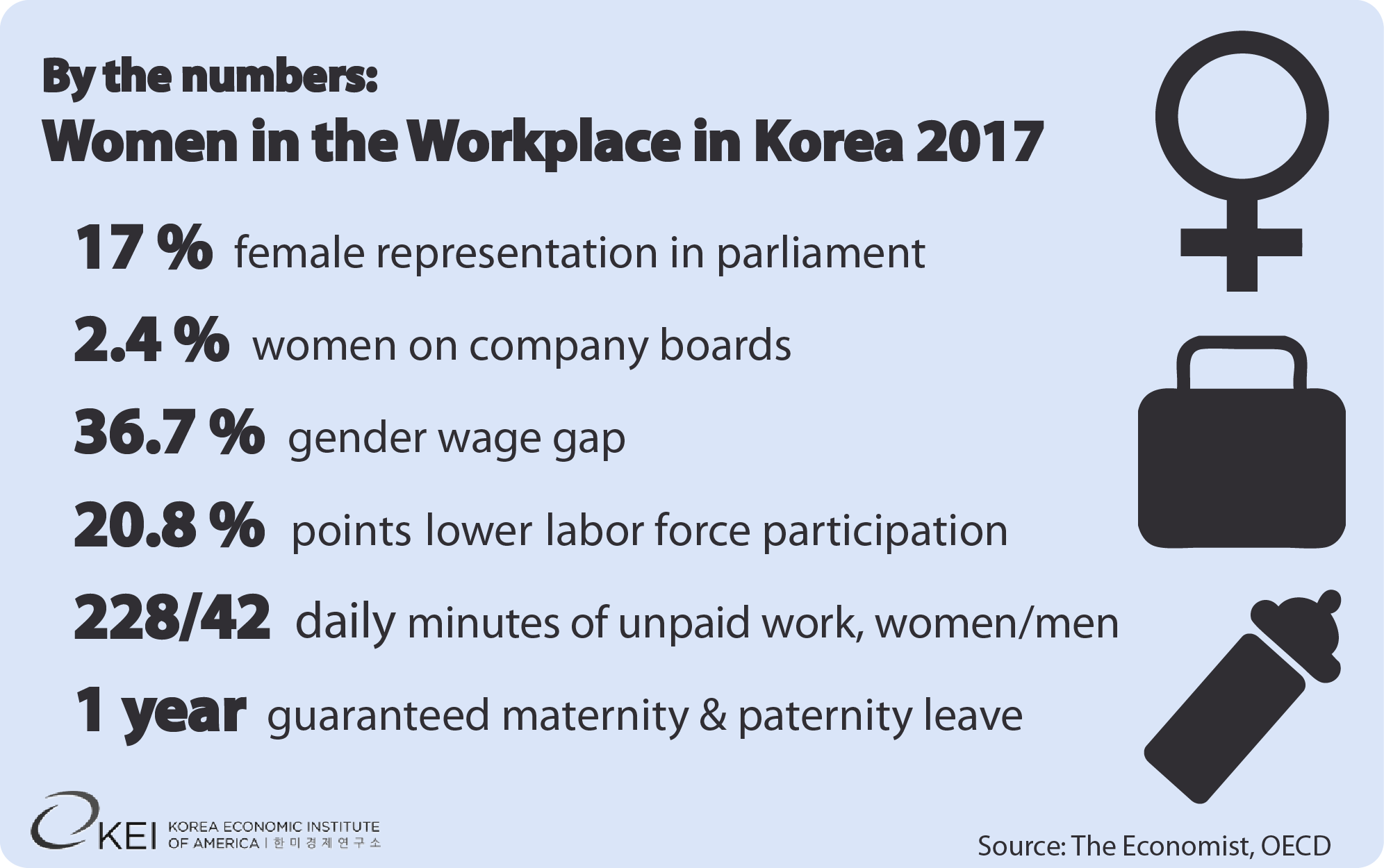
Korea ranks last in gender wage gap, women in managerial positions, and women on company boards, and next-to-last in the labor force participation rate.
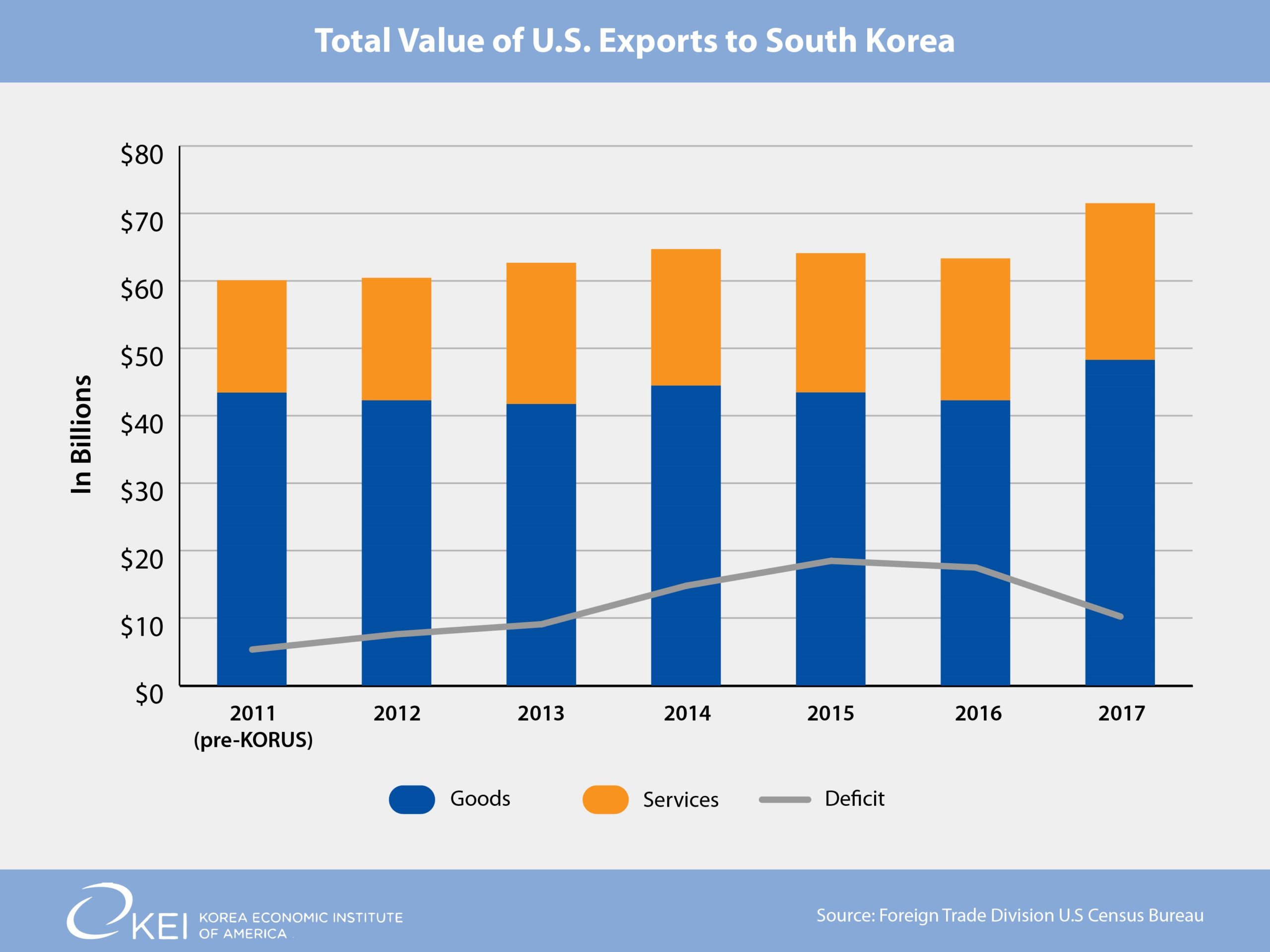
The U.S. trade deficit with Korea in goods and services declined by $7.3 billion in 2017 on a record $23.2 billion in U.S. services exports to Korea.
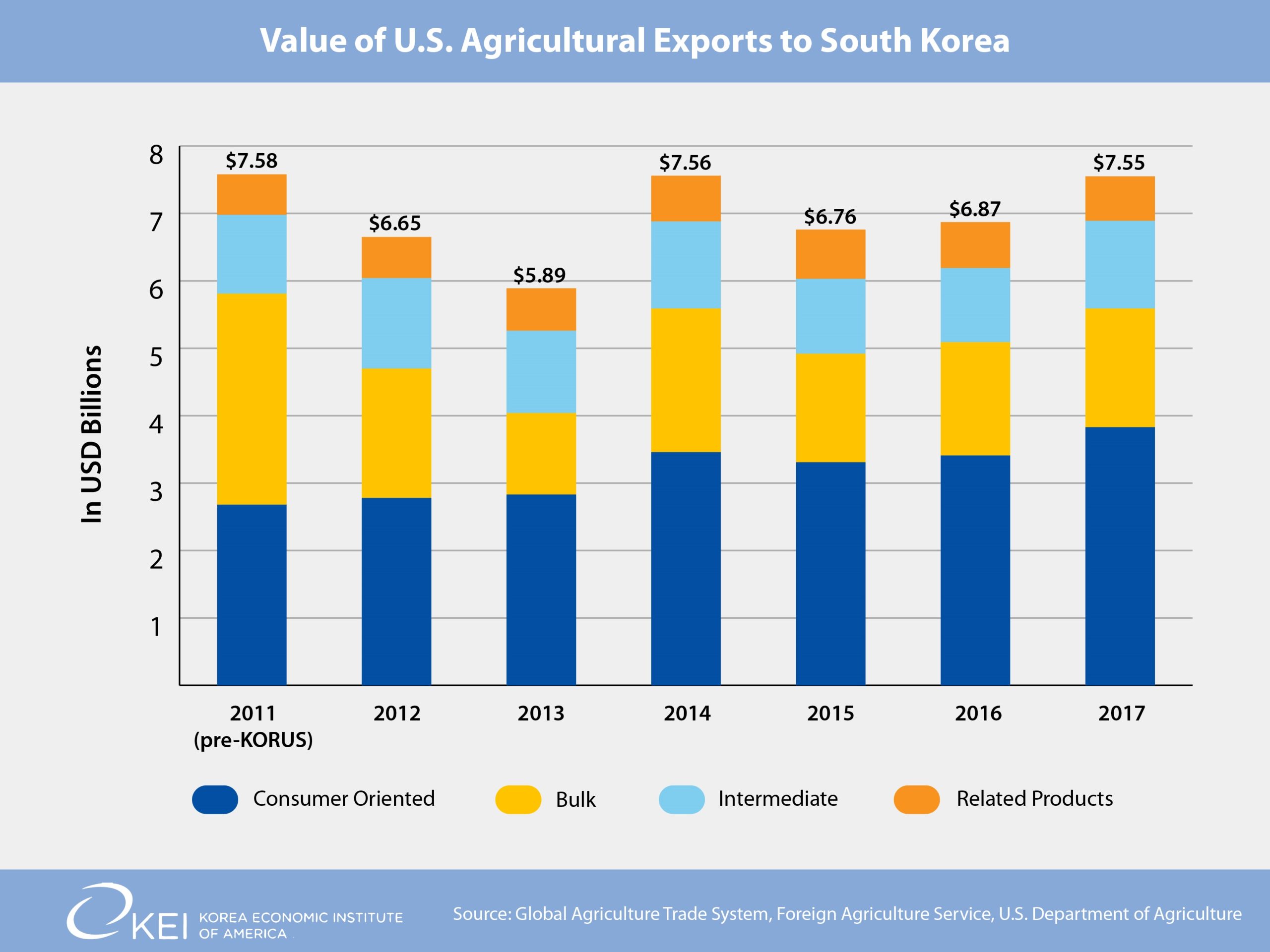
In 2017, the U.S. ran a massive agricultural trade surplus with Korea of $6.3 billion. It generated nearly $9.6 billion in additional economic activity.
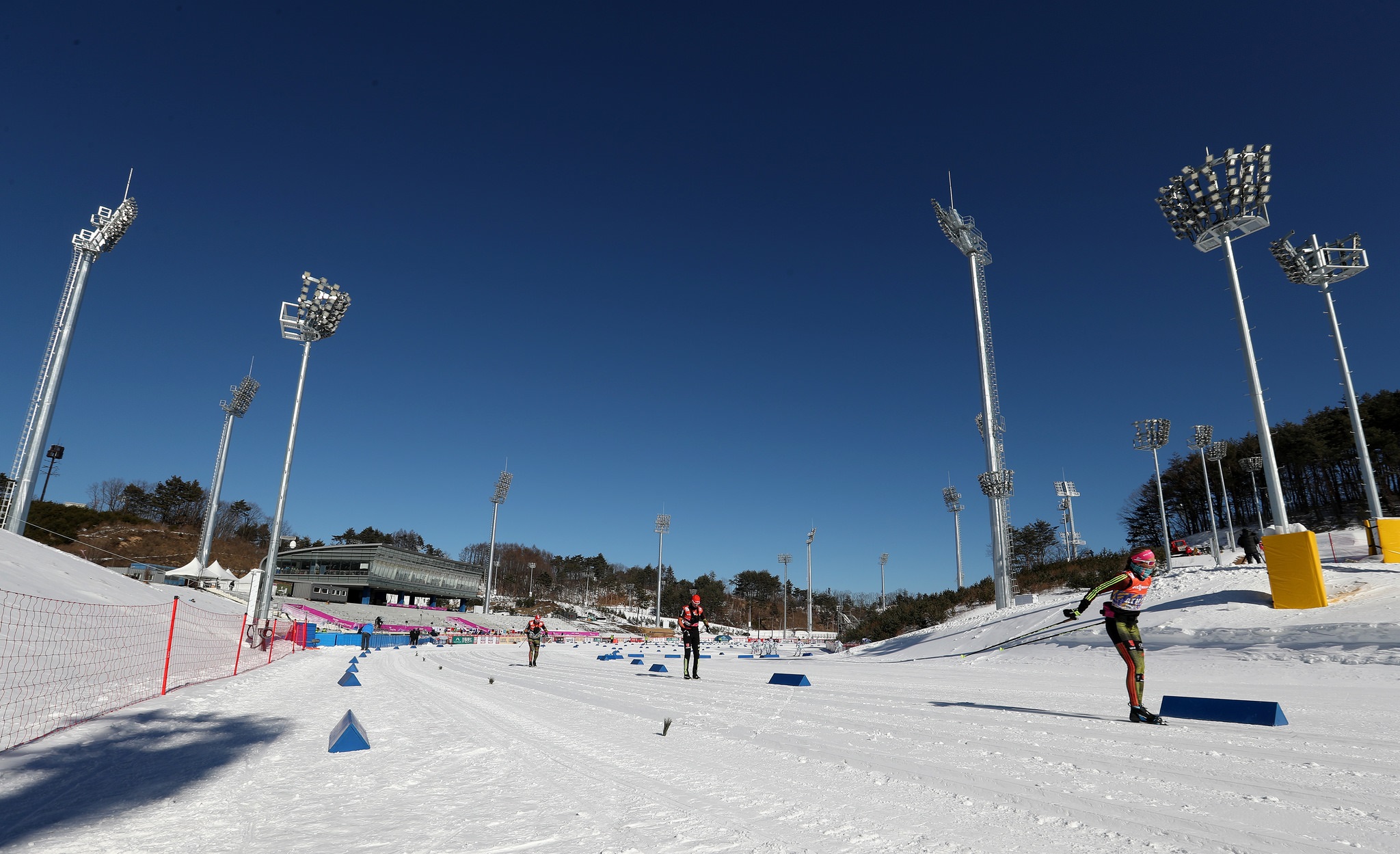
The participation of North Korean Paralympians in the Paralympics is a positive step in the recognition and implementation rights of disabled DPRK citizens.
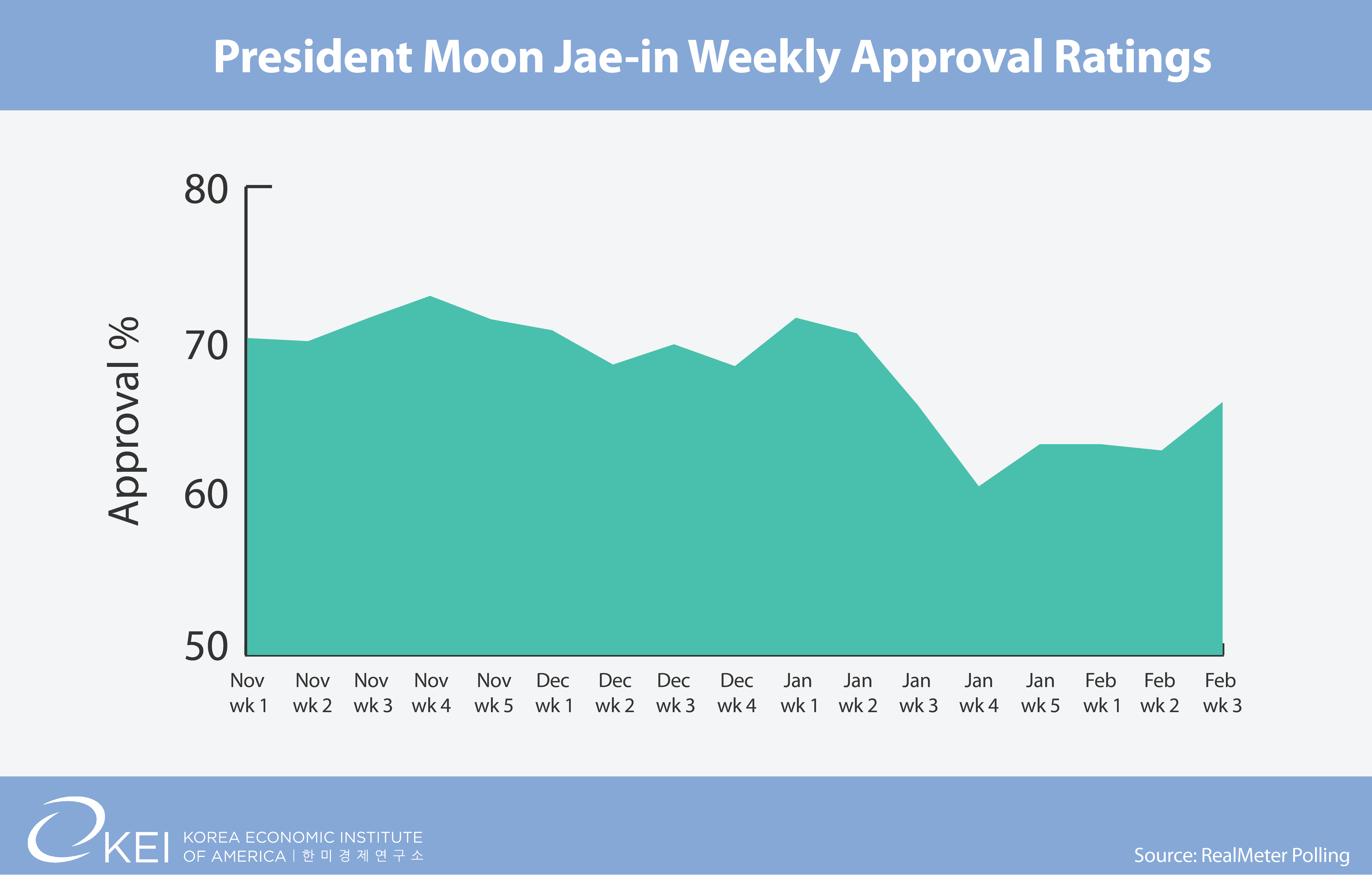
Moon’s recent engagement of North Korea as part of the PyeongChang Olympics brought mixed reviews, and lowered his previously sky-high approval ratings.
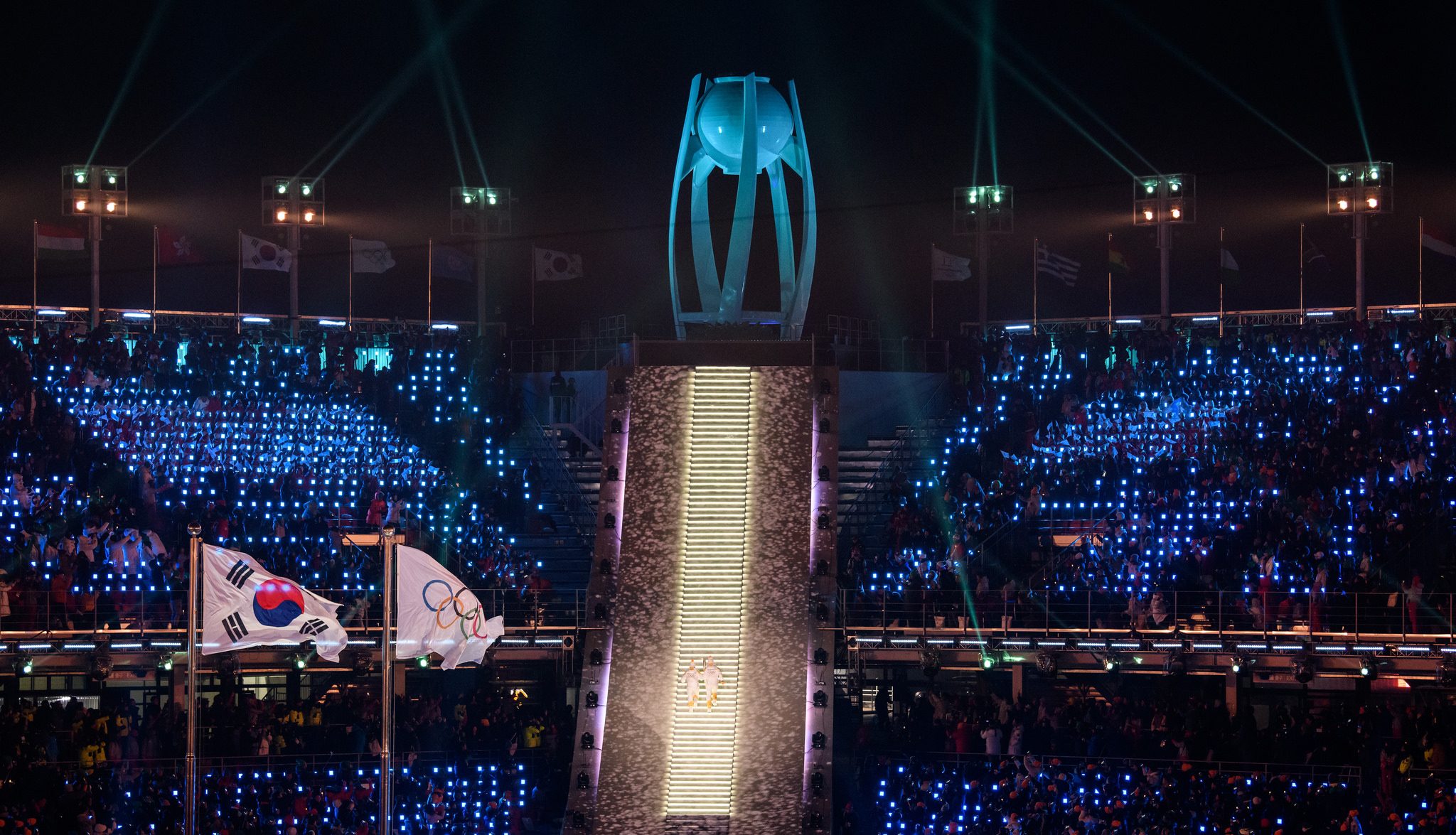
At the Closing Ceremony of the PyeongChang Winter Olympics yesterday, a wide variety of South Korean musicians showed off the breadth of Korean music.

South Korea is an ally both in national security and in trade. It should not have been included on the list of targeted countries for steel safeguards.
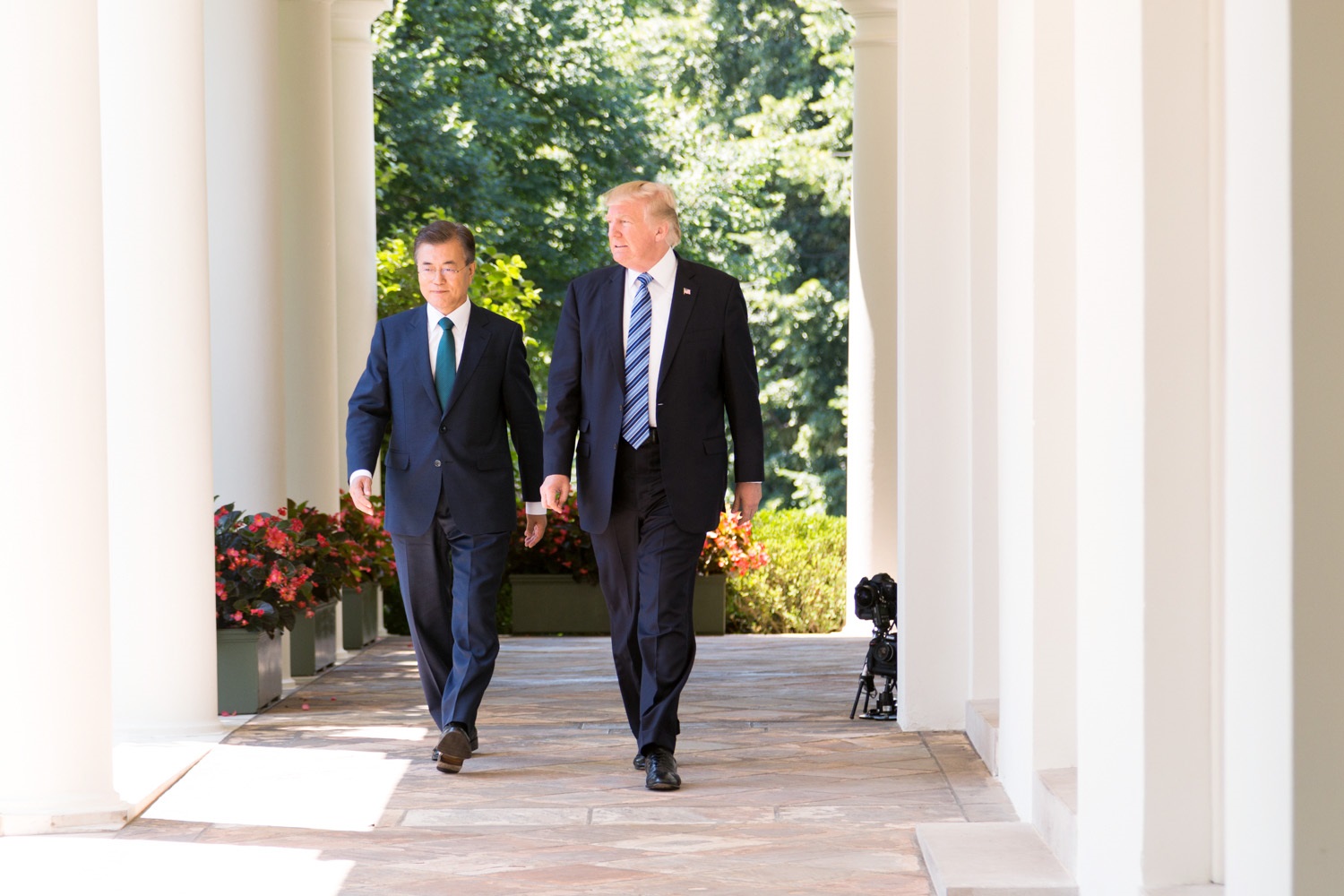
The U.S. relationship with South Korea has become multidimensional and important enough to generate its share of disagreements.
South Korea has high expectations for PyeongChang, with the team hoping to obtain eight gold medals, four silver medals, and eight bronze medals
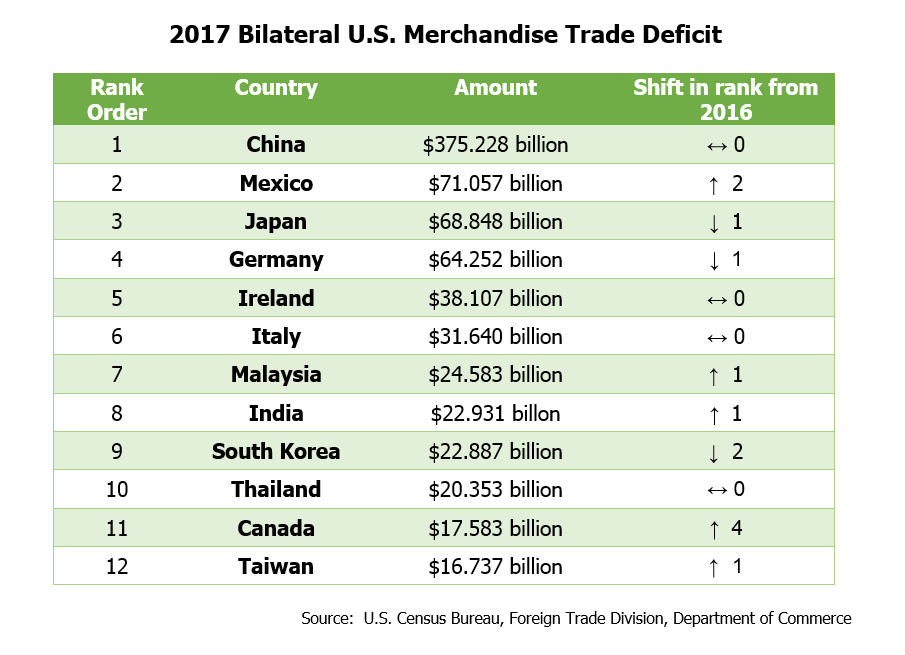
The U.S. set a new record of $48.3 billion in exports of manufactured and agricultural goods to the Republic of Korea in 2017.