The Growing Role of Local Governments in South Korea
The coronavirus outbreak has afforded provincial governments an opportunity to further expand their fiscal toolkits and shape the local economy.


The coronavirus outbreak has afforded provincial governments an opportunity to further expand their fiscal toolkits and shape the local economy.
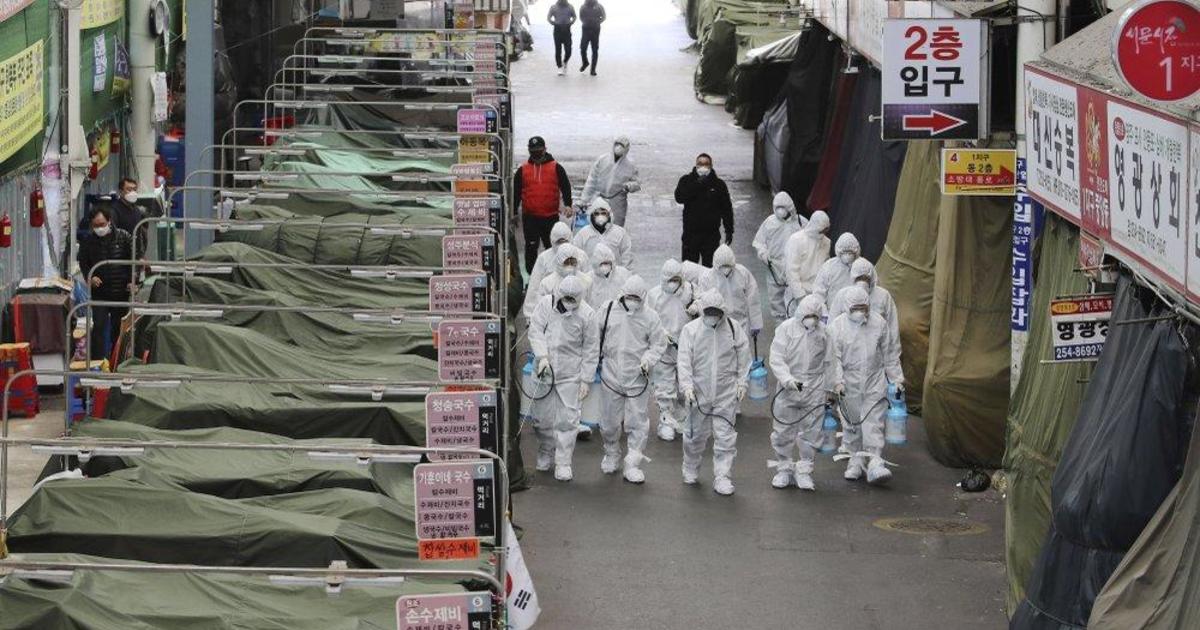
The response to the global pandemic has helped shift the narrative around small and medium enterprises, presenting them as more efficient exporters than their larger peers.
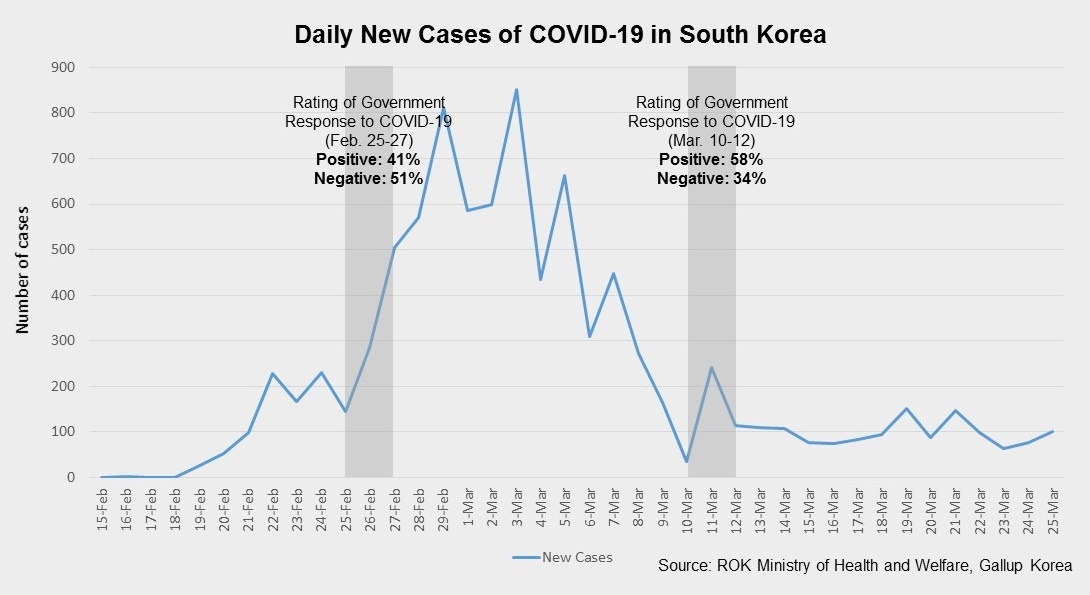
Korea received glowing international media coverage for its efforts to contain the virus and reduce the death toll, but the domestic reaction is more mixed.
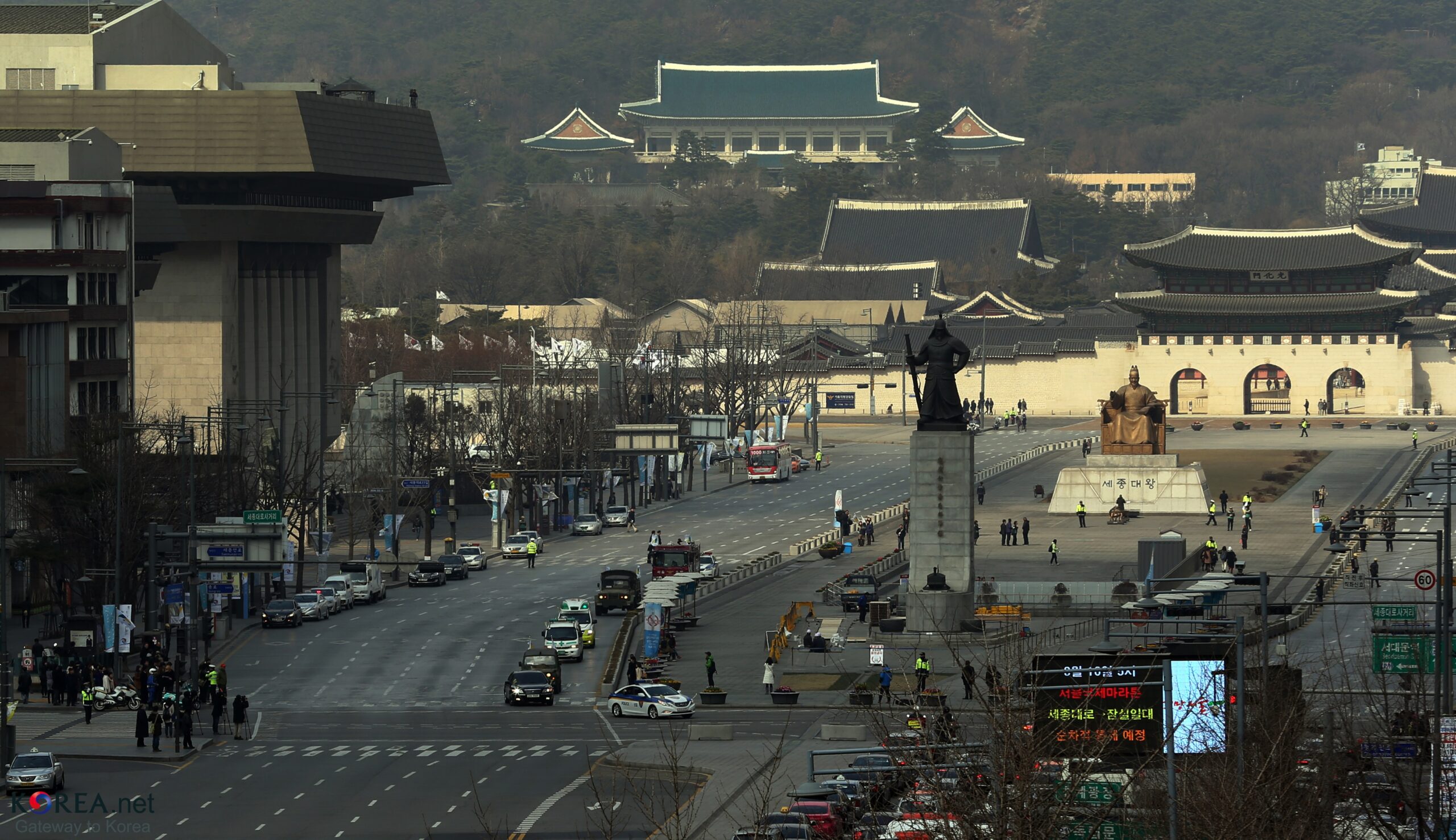
The strength of Korean institutions has enabled administrations to identify external risks and pursue policies to prepare for a COVID-19 financial crisis.
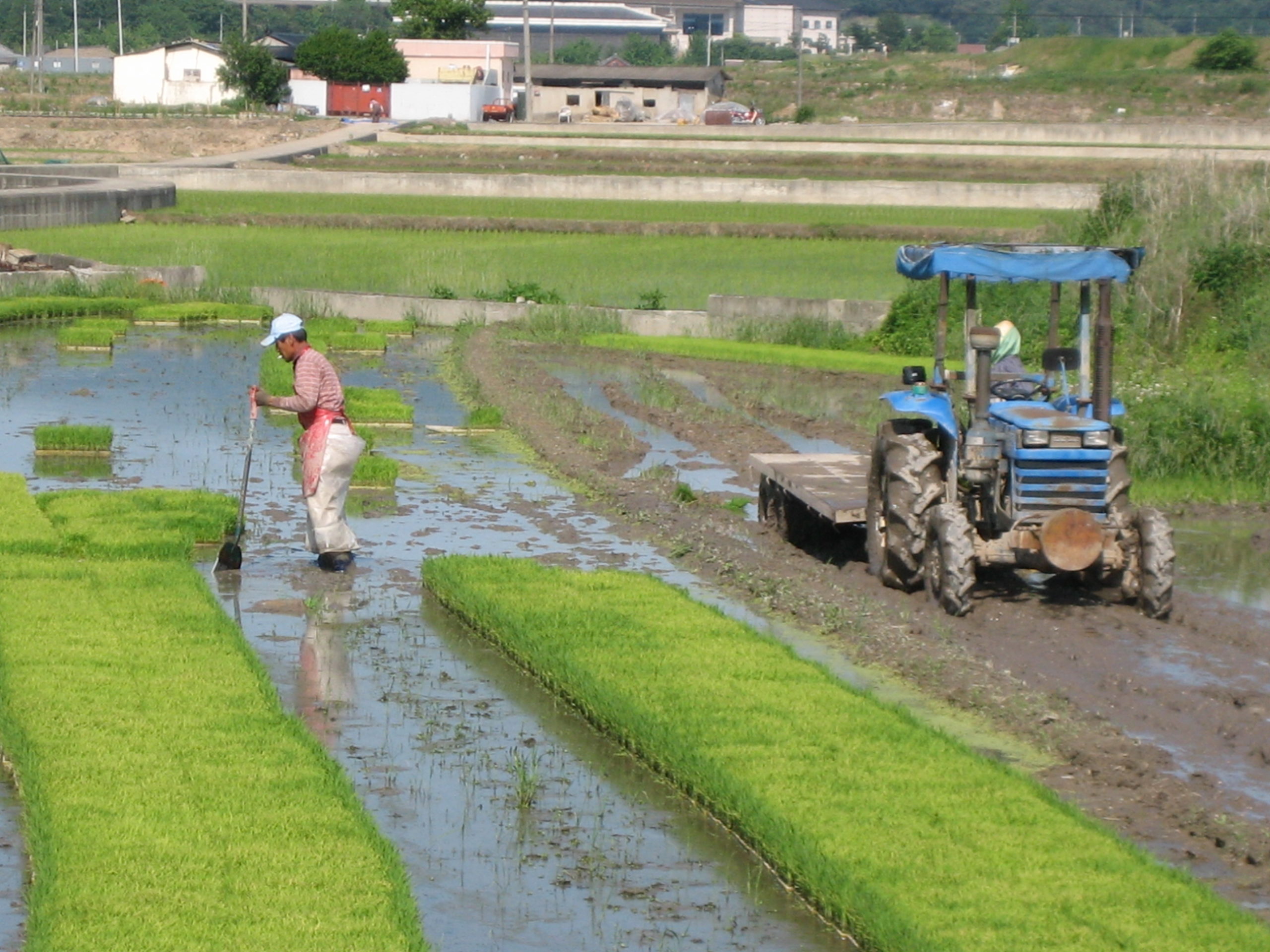
Travel restrictions that were imposed to contain the ongoing pandemic revealed how reliant South Korea’s agriculture industry is on foreign labor.

As a country that has been particularly impacted by financial crises in the past two decades, South Korea continues to face significant risks.

The South Korean government’s responses to Japan’s new travel restrictions suggest that bilateral relations have not recovered from tensions last year.
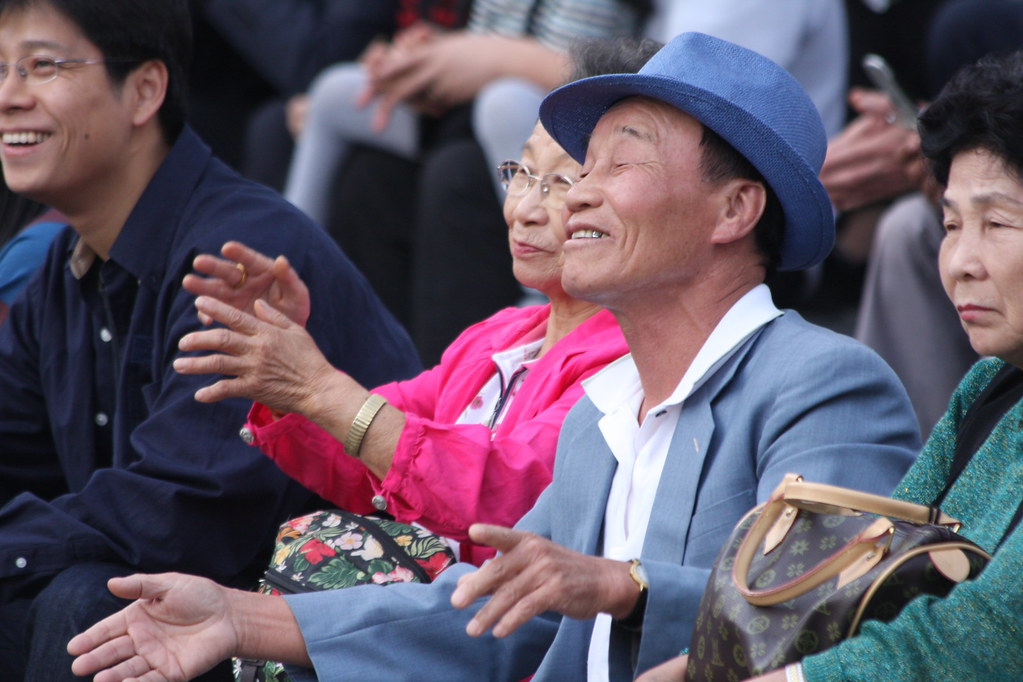
South Korea’s e-governance may be leaving older adults who are most at risk of COVID-19 uninformed of critical announcements.

Traditional attitudes towards childcare limit the effectiveness of public policy measures that seek to protect children from accidents.

Japanese perceptions of security threats suggests that Tokyo would find public support for an effort to improve relations with Seoul.