Koreans Vote for Continuity with the Ruling Party
The outcome of this year’s legislative election subverted assumptions that voters tend to support the opposition party to check the ruling party.


The outcome of this year’s legislative election subverted assumptions that voters tend to support the opposition party to check the ruling party.
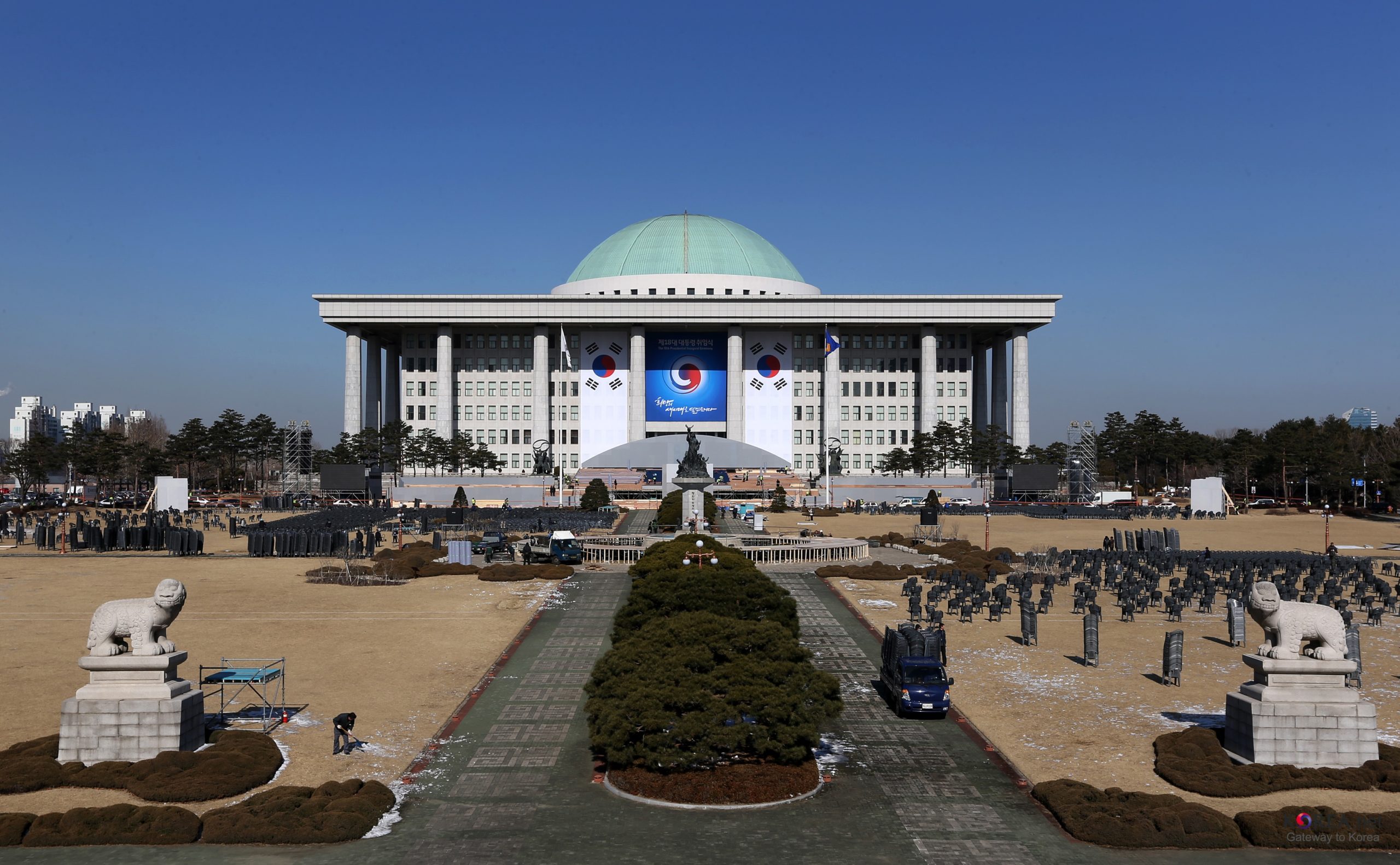
High voter turnout in the recent National Assembly election can be attributed to long-term effort to expand the pool of eligible voters.
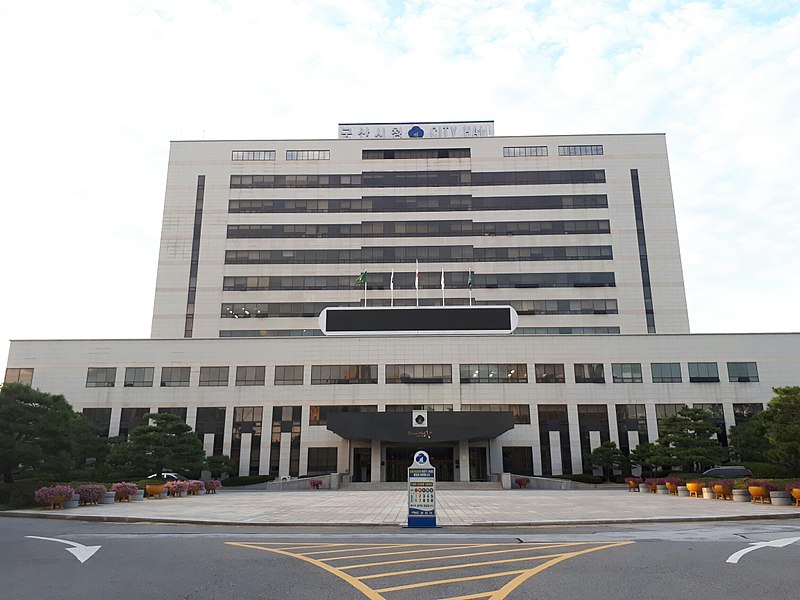
In response to fee increases by private food delivery apps, local governments are becoming direct participants in the service industry.
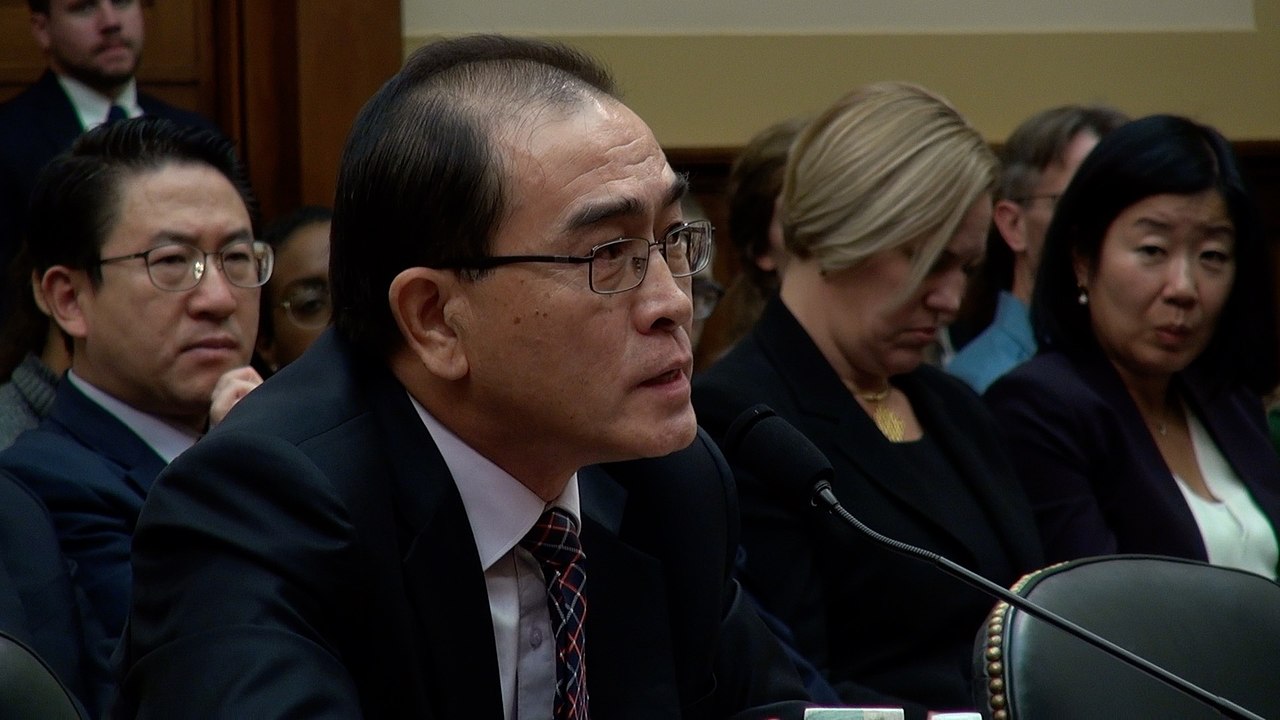
Two prominent North Korean defectors were elected to membership in South Korea’s National Assembly in elections held on April 15th.
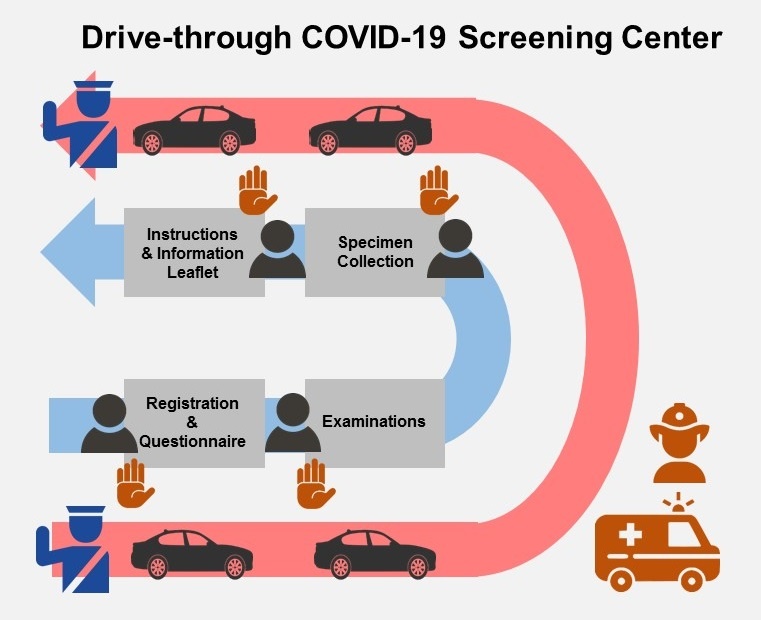
Since the outbreak of the COVID-19, medical staff are contributing creative ideas in overcoming the pandemic such as drive-thru screening.
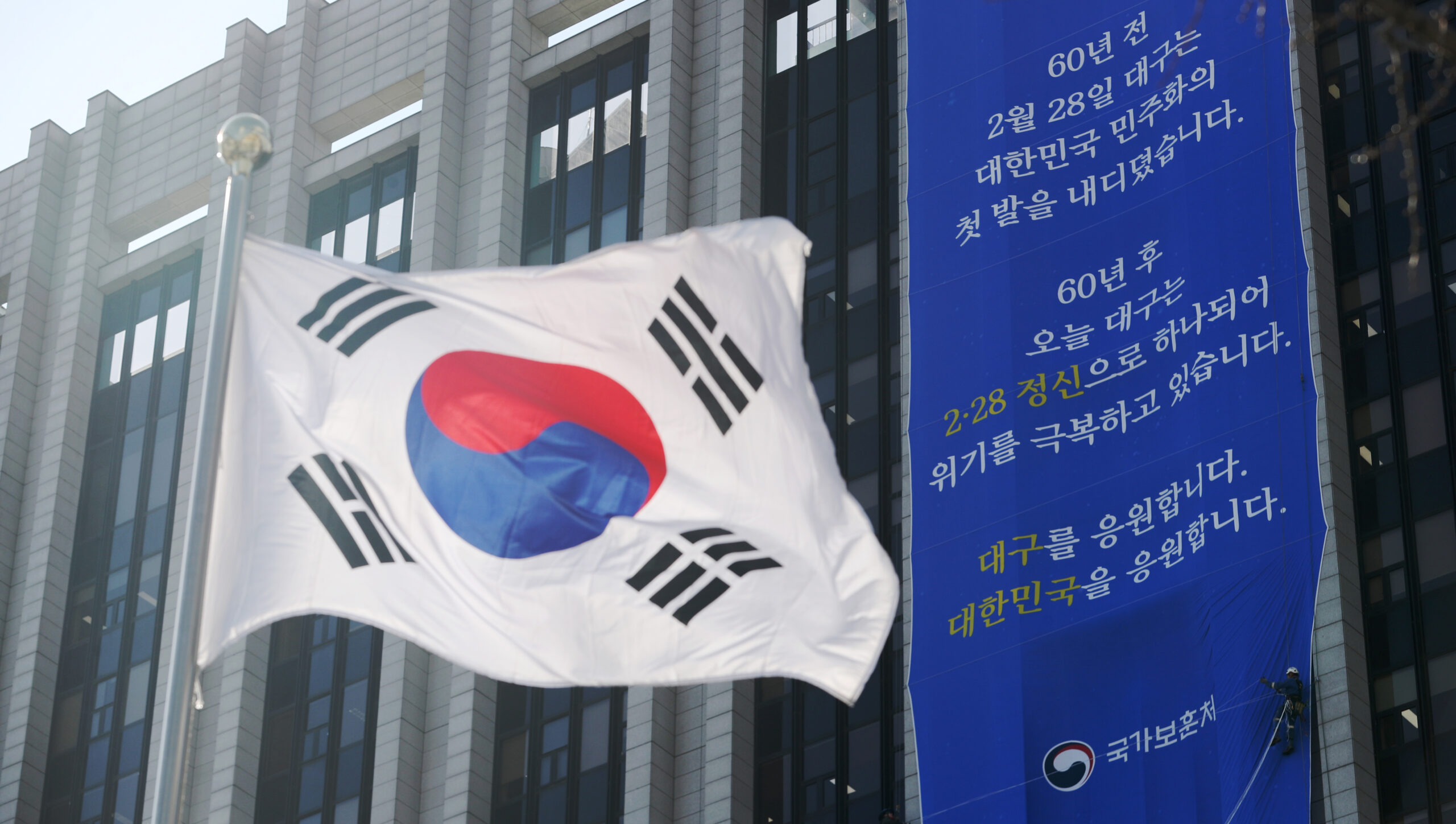
Today, South Korea attempts to thread the needle, ensuring suffrage to all eligible voters while keeping uninfected voters safe from exposure.
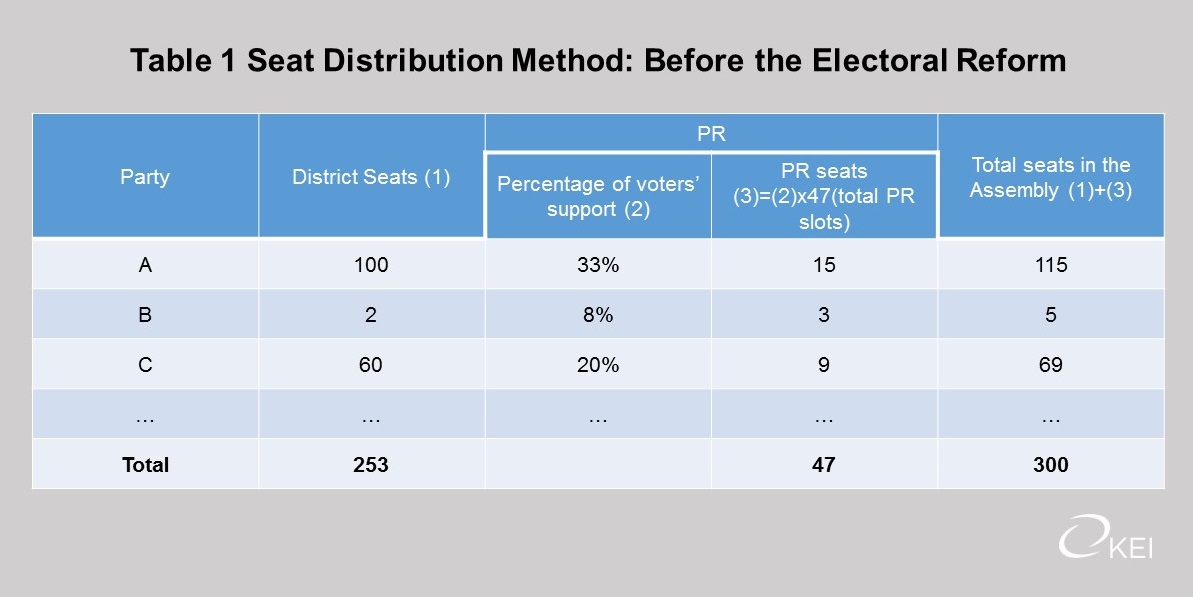
South Korea adopted a new election system for distributing legislative seats with the intention of making politics more inclusive. But will it work?
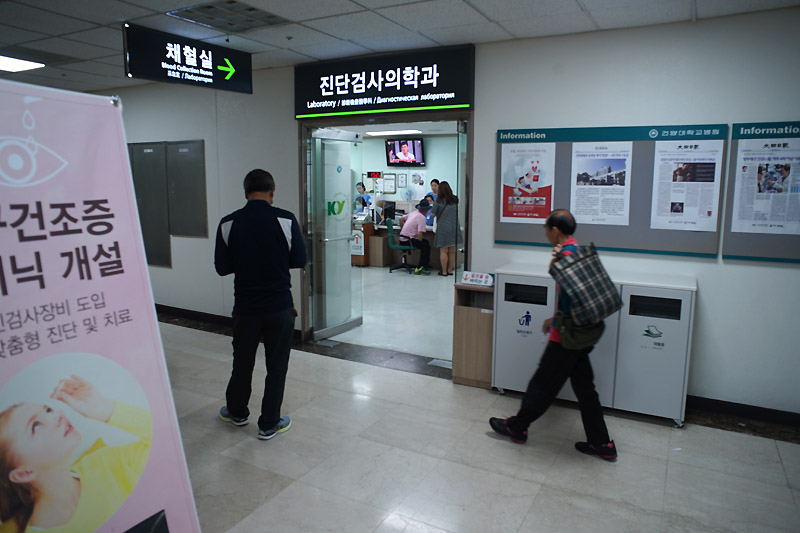
As the government uses patient information to contain the spread of COVID-19, a debate begins on whether individuals have a right to keep this data private.
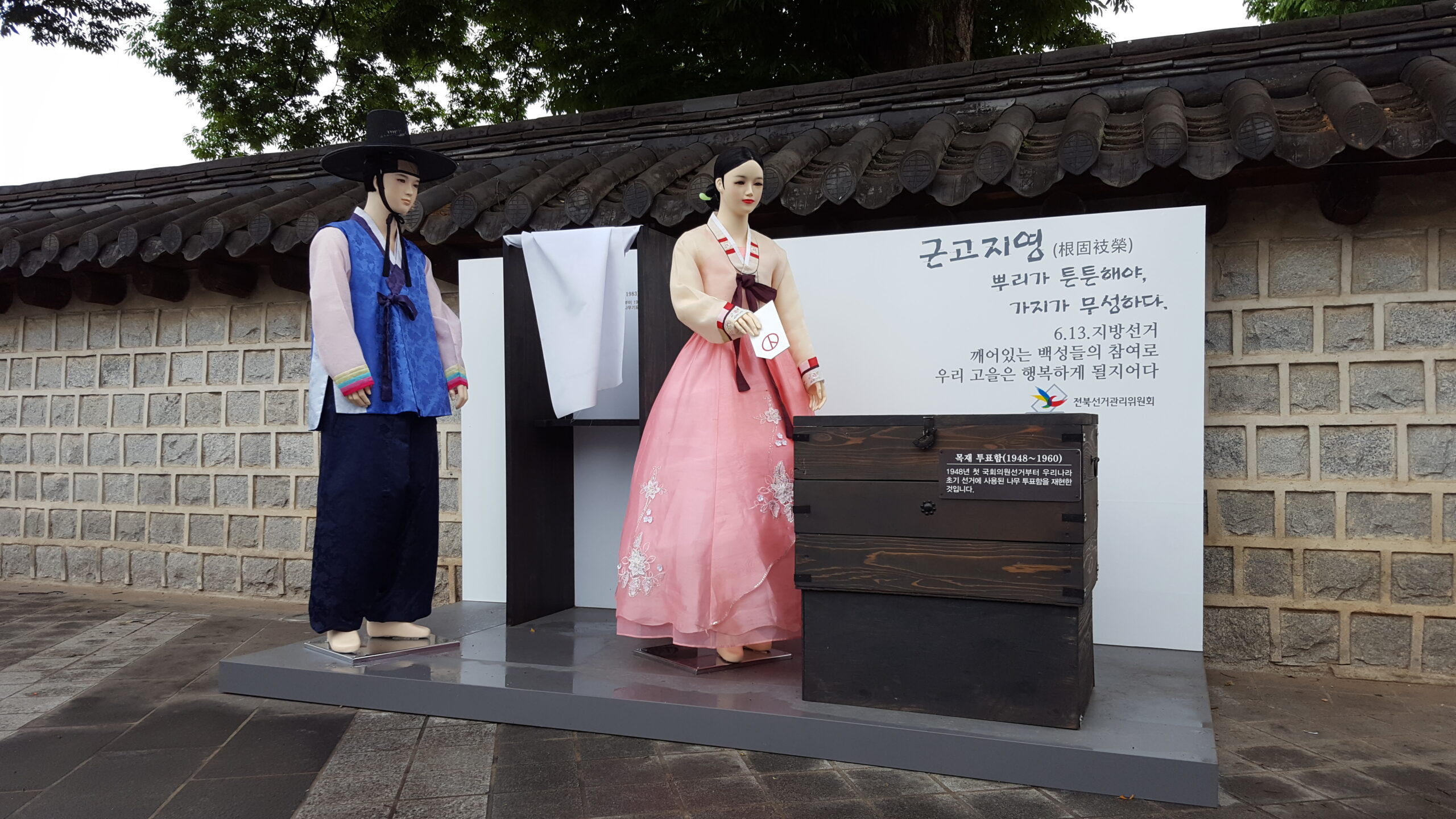
Korea’s efforts to expand the number of eligible voters did not progress sufficiently to mitigate the effects of the ongoing health crisis.
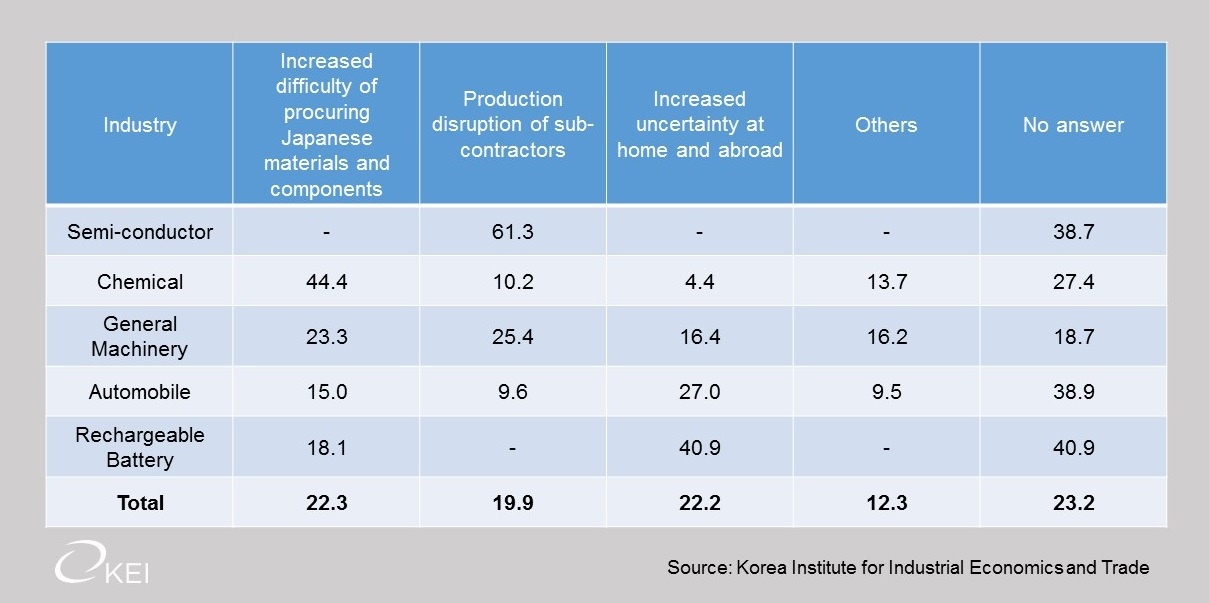
The economic success of the Asia-Pacific has rested in no small measure on its finely-tuned supply chains.