Public Health and Economics at Odds in Korea’s Vaccination Debate
The government faces pressure from the business community to accelerate the vaccine distribution plan despite concerns around the drugs’ potential risks.

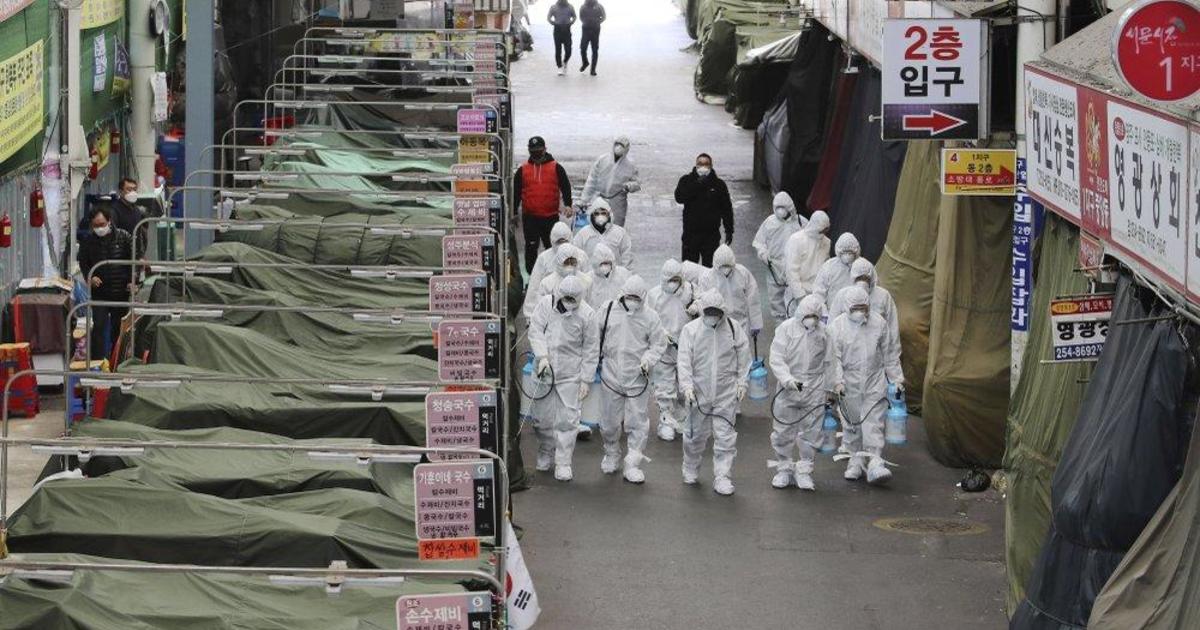
The government faces pressure from the business community to accelerate the vaccine distribution plan despite concerns around the drugs’ potential risks.
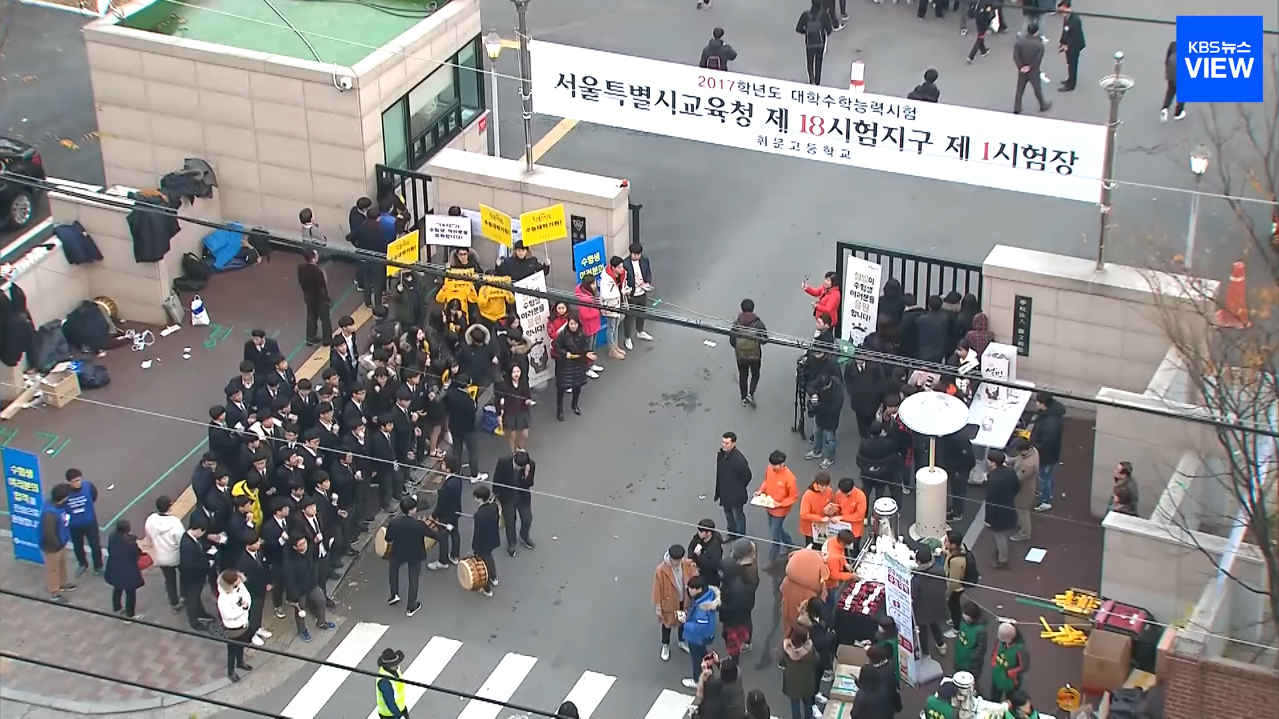
Despite increasing infection cases, South Korea’s national college entry exam was carried out as scheduled with joint civil and governmental efforts.
With the small firms under economic pressure, the lawmakers look for space to roll back some of the promises made to employees on maximum working hours.

The South Korean government’s push to expand the rights of children clashes with its passive approach to the prevalence of abuse at home.
For an export-dependent economy like South Korea, the pursuit of trade efficiency can lead to the concentration of corporate power.

On November 15th, fifteen countries signed the Regional Comprehensive Economic Partnership (RCEP), the world’s largest free trade agreement. It includes the ten ASEAN countries and some…

The agreement between Korea and Japan on the issue of comfort women, announced in 2015, seemed like an amazing breakthrough on a sensitive topic in…
With the South Korean government focused on achieving balance between employment and innovation, gains for small and medium enterprises (SME) may narrow vis-à-vis their larger competitors.

On Sunday November 15 the countries party to the Regional Comprehensive Economic Partnership (RCEP) announced that trade negotiations had successfully concluded after several years of…
Legacies of past corruption scandals have elevated South Korean public demand for government accountability, overriding long-standing political opposition.