Climate Change Mitigation and Job Growth Go Hand-in-hand
South Korean policymakers have long promoted green technology not only for carbon neutrality but also for its capacity to create jobs.


South Korean policymakers have long promoted green technology not only for carbon neutrality but also for its capacity to create jobs.

To understand the context behind the Korean Air-Asiana Airlines merger, one must understand the unique historical momentum driving it.

The president-elect’s initial push to break with tradition may reveal the incoming administration’s desire to chart a different foreign policy direction.

Online speculation around how different female celebrities may have voted reveals how partisans increasingly prioritize group loyalty over values.

South Korea has an industrial safety issue, but the new law which focuses on criminal prosecution after accidents does not address the heart of the problem.

Labor market dualism – the segmentation between regular and non-regular workers — is deeply entrenched in Korea’s labor market.

Politics is becoming somewhat more polarized in Korea, but more sharply among partisans than the general public. What is it that divides Korean voters?
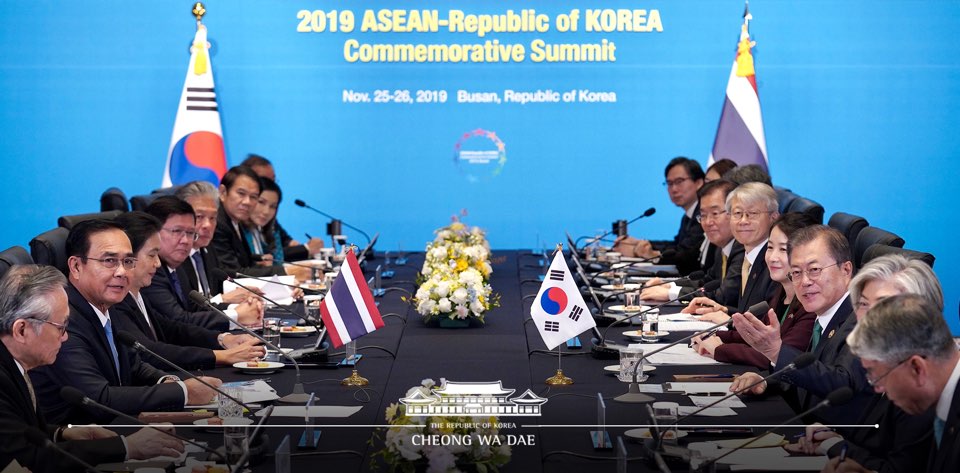
Election pledges provide an initial overview of how Moon Jae-in’s New Southern Policy may or may not continue under the next administration.

Although the income gap is a nationwide problem, Seoul municipal government is taking the initiative to put forward potential solutions.
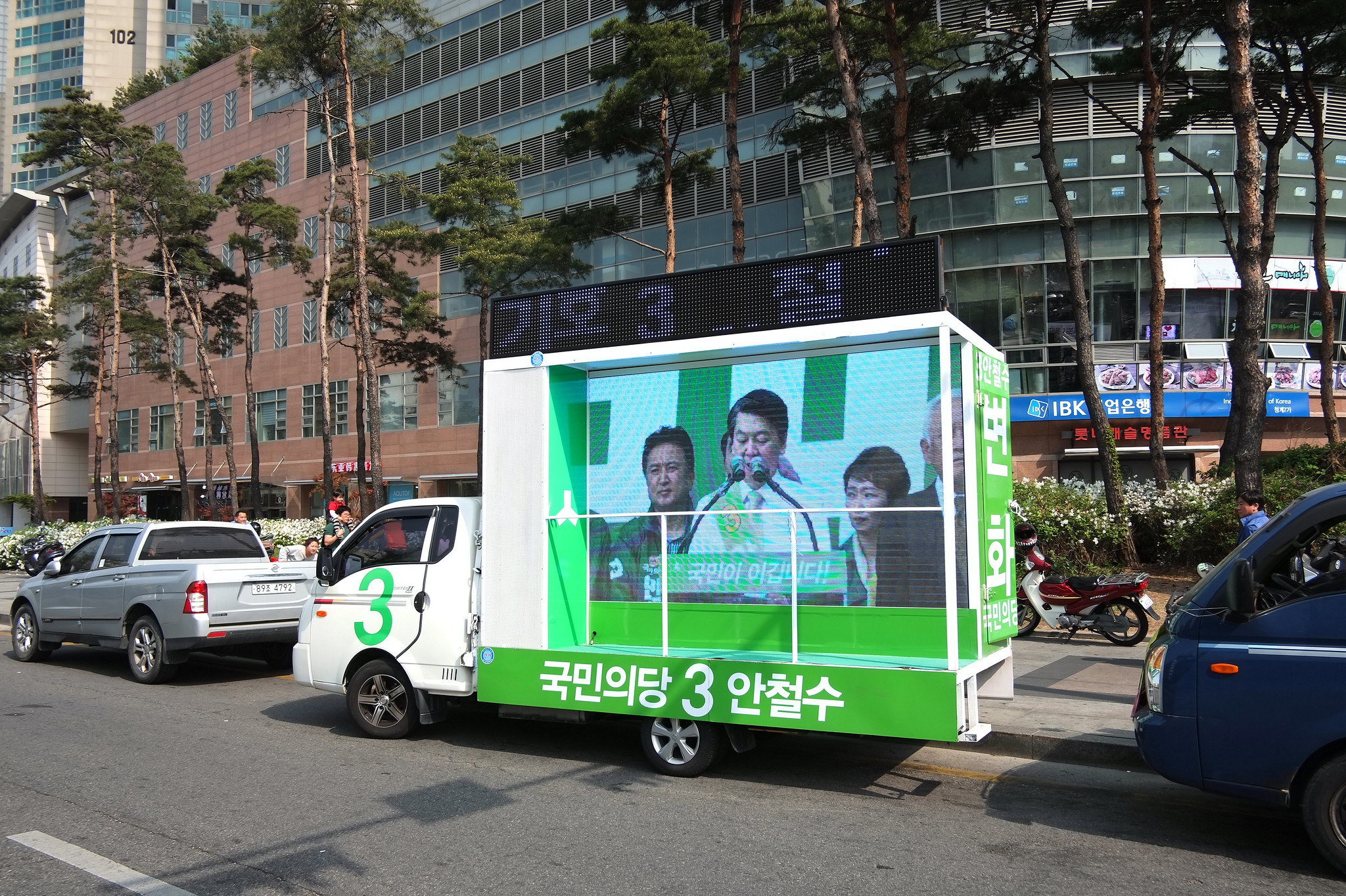
Prevailing hostilities may have forestalled an electoral merger between the third-party centrist candidate and the main opposition party.