Ethics of South Korea’s Overseas Development Assistance
South Korea provides police training to Southeast Asia, but regional trends raise wider questions about its moral implications.


South Korea provides police training to Southeast Asia, but regional trends raise wider questions about its moral implications.
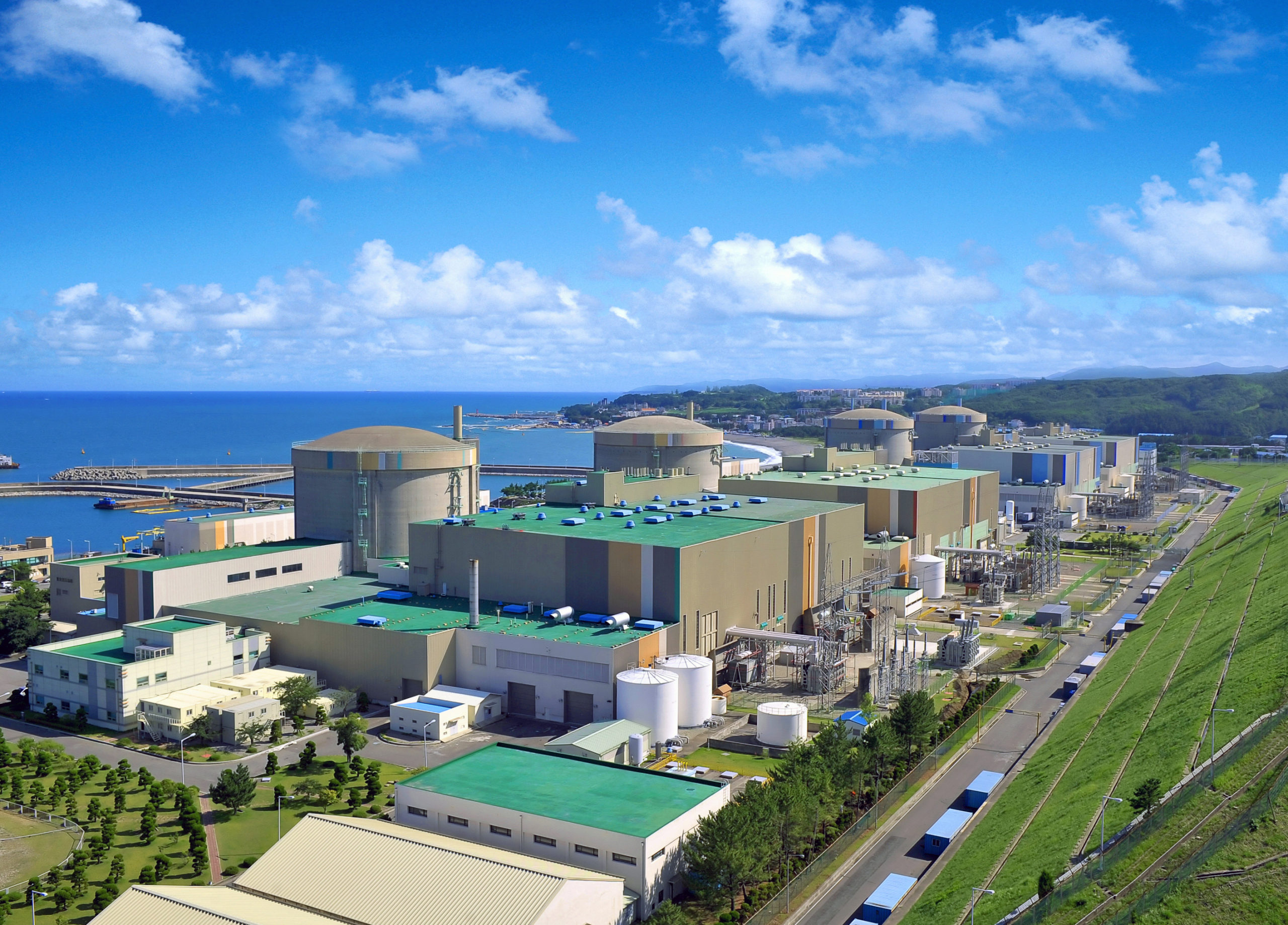
South Korea’s plan to invest in nuclear power, rather than renewable energy, reflects the current administration’s sensitivities to economic pressures.
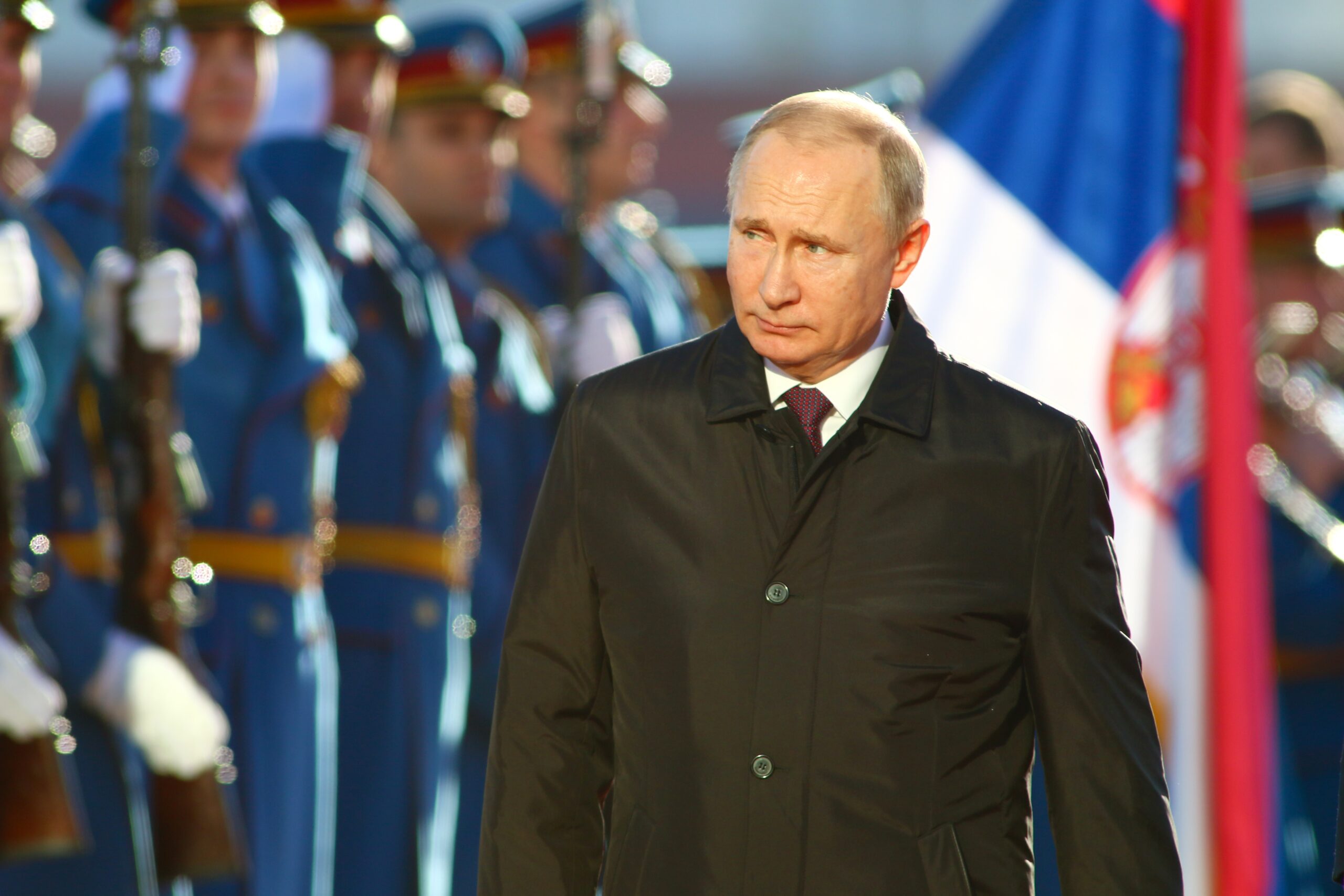
What are the broader strategic implications of the conflict between Russia and Ukraine for the Korean peninsula?

South Korea’s refugee policies to-date have been largely responsive to the country’s political and economic demands, not principles.

Streaming companies are more responsive to changing social attitudes towards the LGBTQ community because they are focused on attracting new audiences.
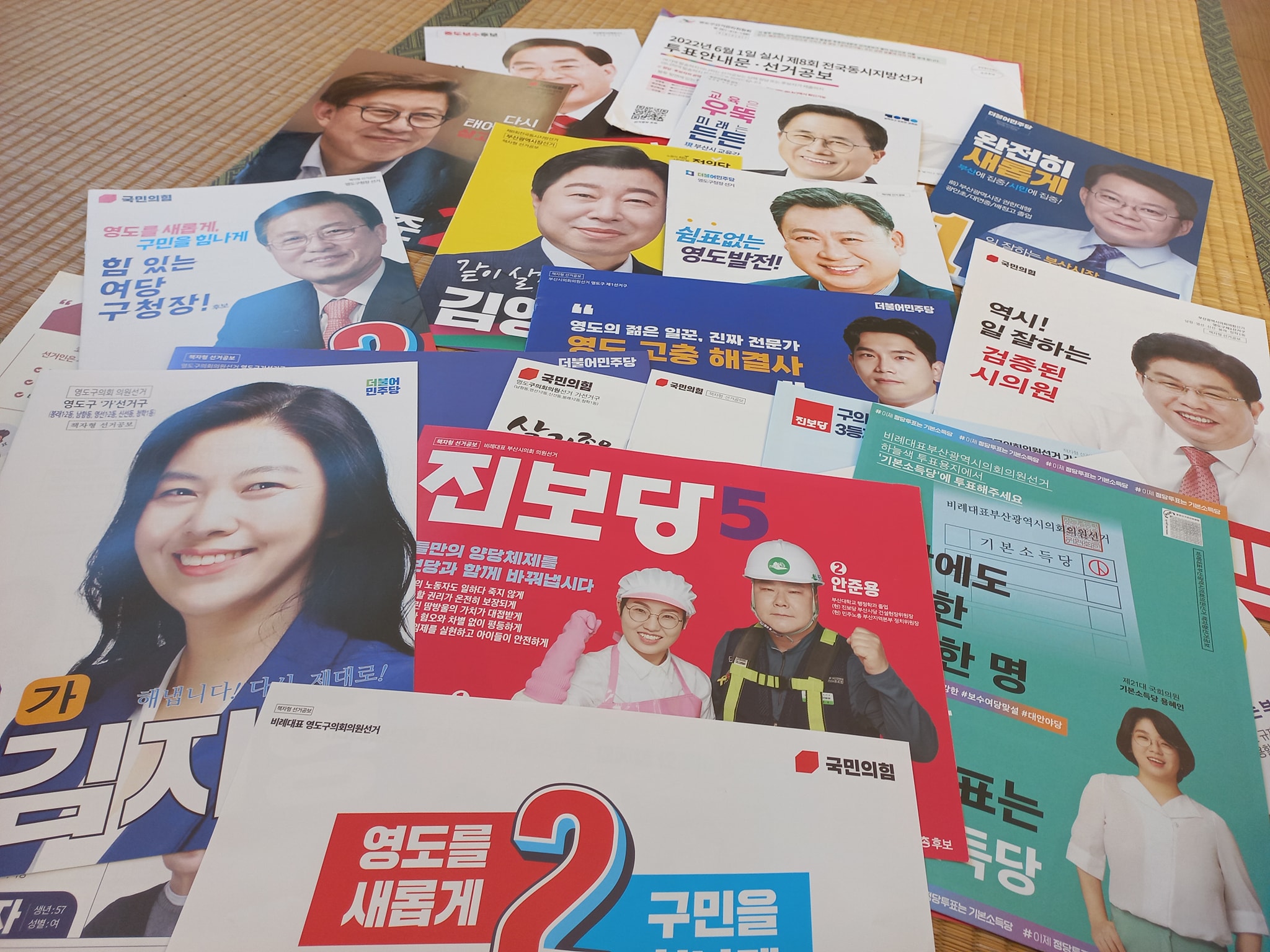
Recent changes in Democratic Party leadership point to politics focusing on identifying and catering to core constituents.
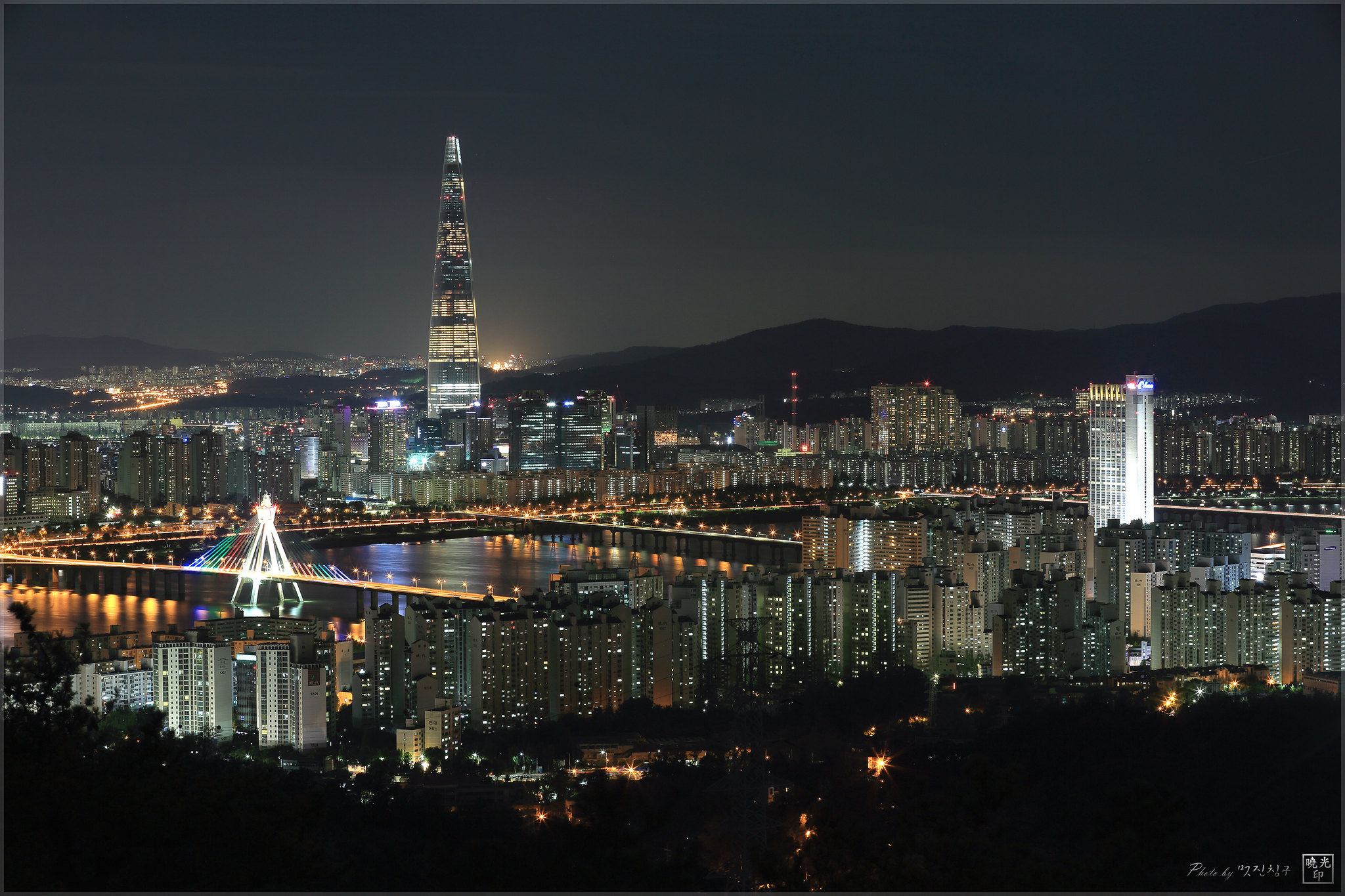
Patenting activity by SMEs revealed tech-led growth through a crisis, but the country remains disproportionately reliant on manufacturing.

For South Korea, geopolitical conflict and changes in U.S. monetary policy significantly impact the country’s ability to purchase oil.
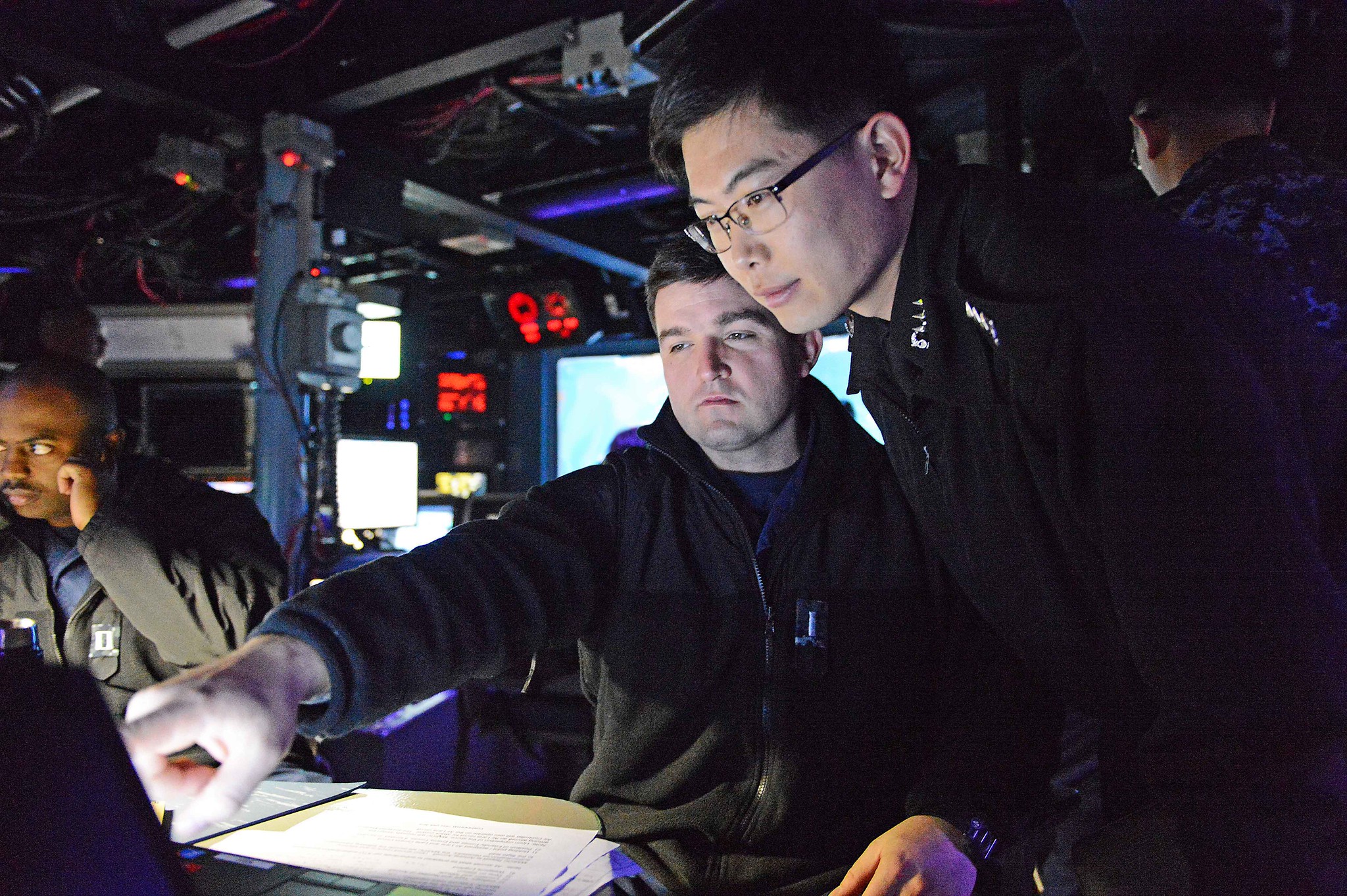
Security partnership between the United States, South Korea, and Japan remains reactive to North Korean threats, limiting the scope of cooperation.

Although K-pop groups and fans promote progressive causes, the industry’s underlying consumerism counteract the push for sustainability.