2022 in Review: The Impact of Russia’s Invasion of Ukraine on South Korea
South Korea’s enformcent of sanctions on Russia and the effects of the war have had a direct impact on South Korean trade.

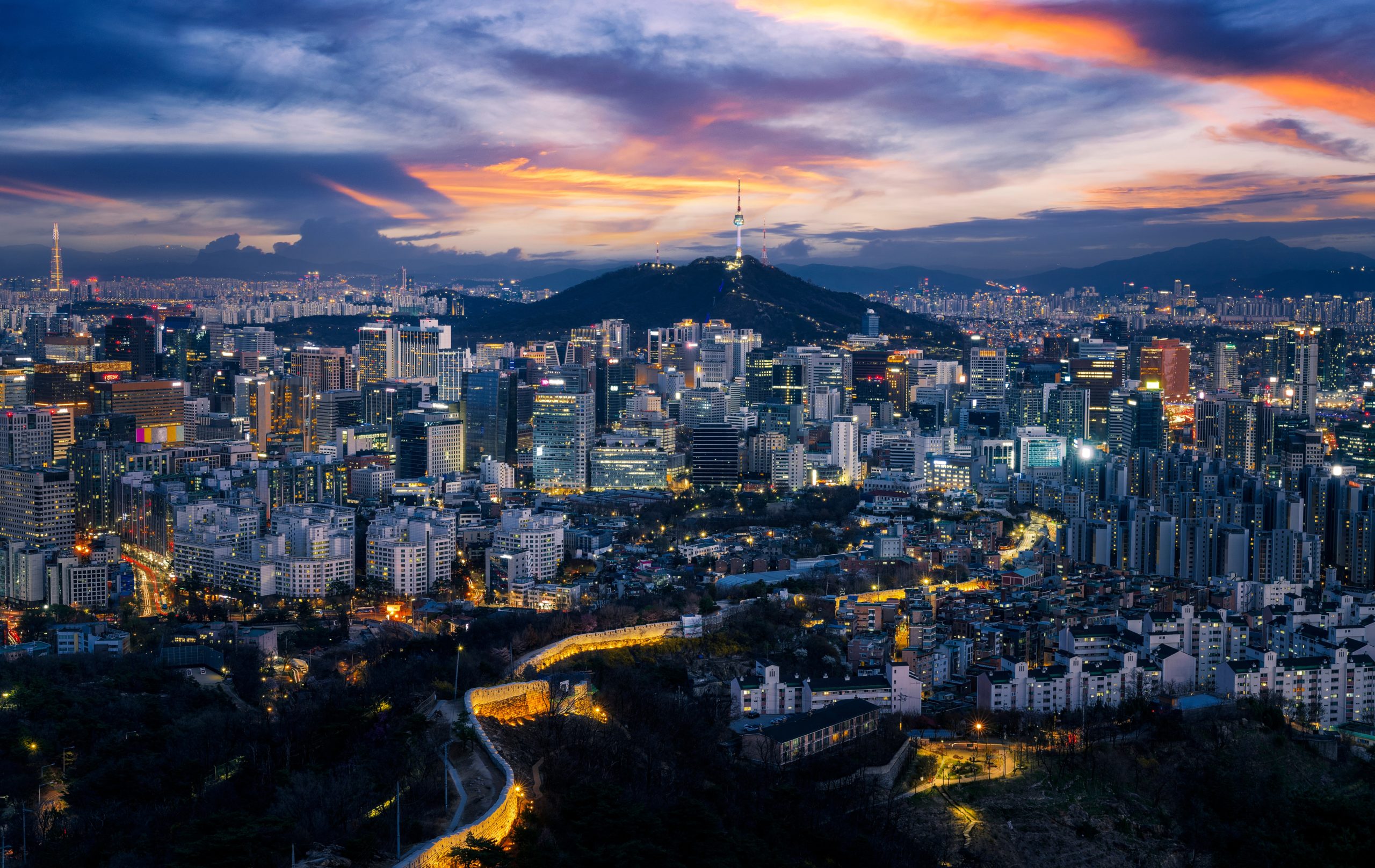
South Korea’s enformcent of sanctions on Russia and the effects of the war have had a direct impact on South Korean trade.
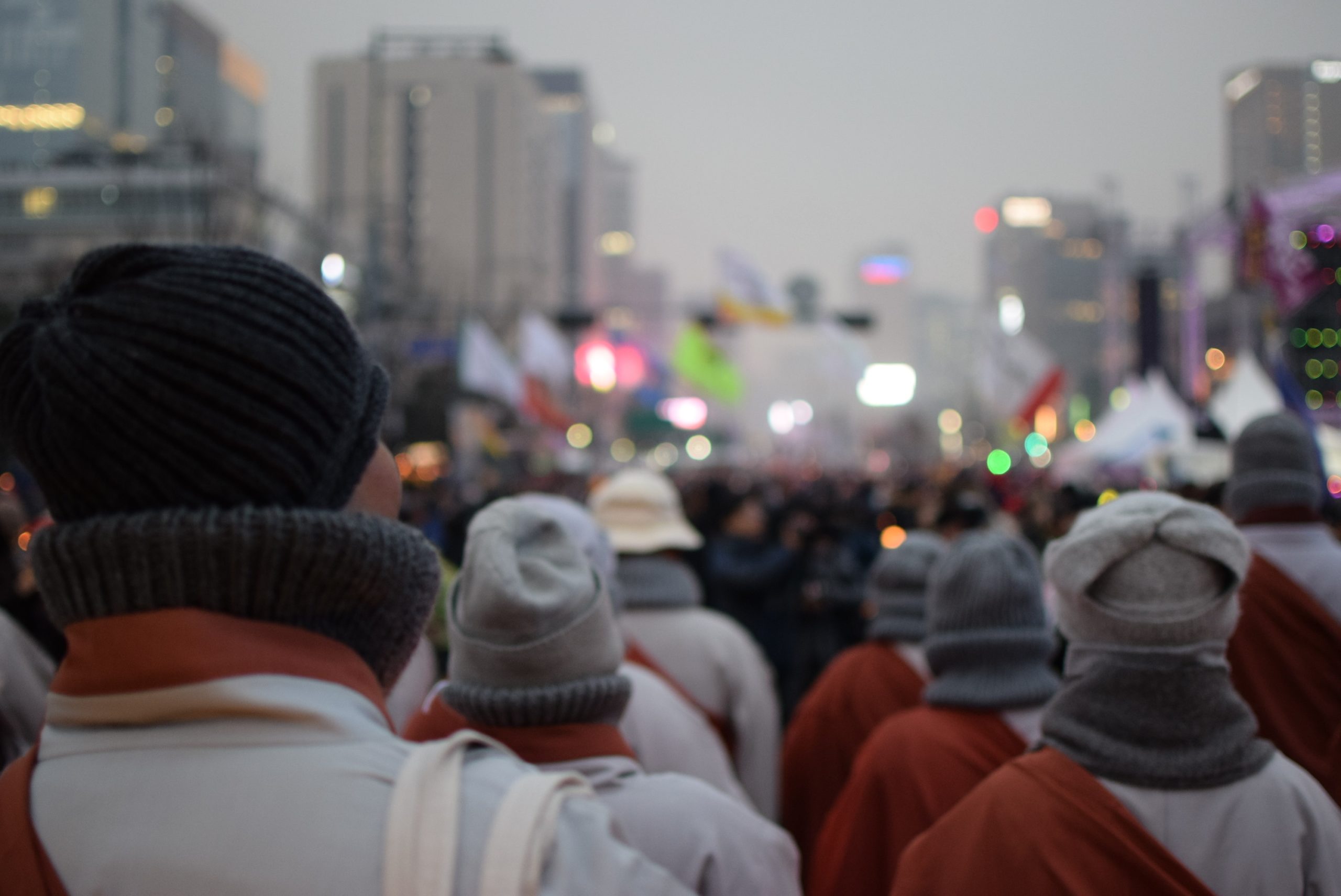
Korean voters are generally centrist. However, there is some evidience of growing political polarization, especially among partisan voters.

2022 marked the 10th anniversary of the KORUS FTA, but was also a significant year for shaping the future of U.S.-Korea economic relations.
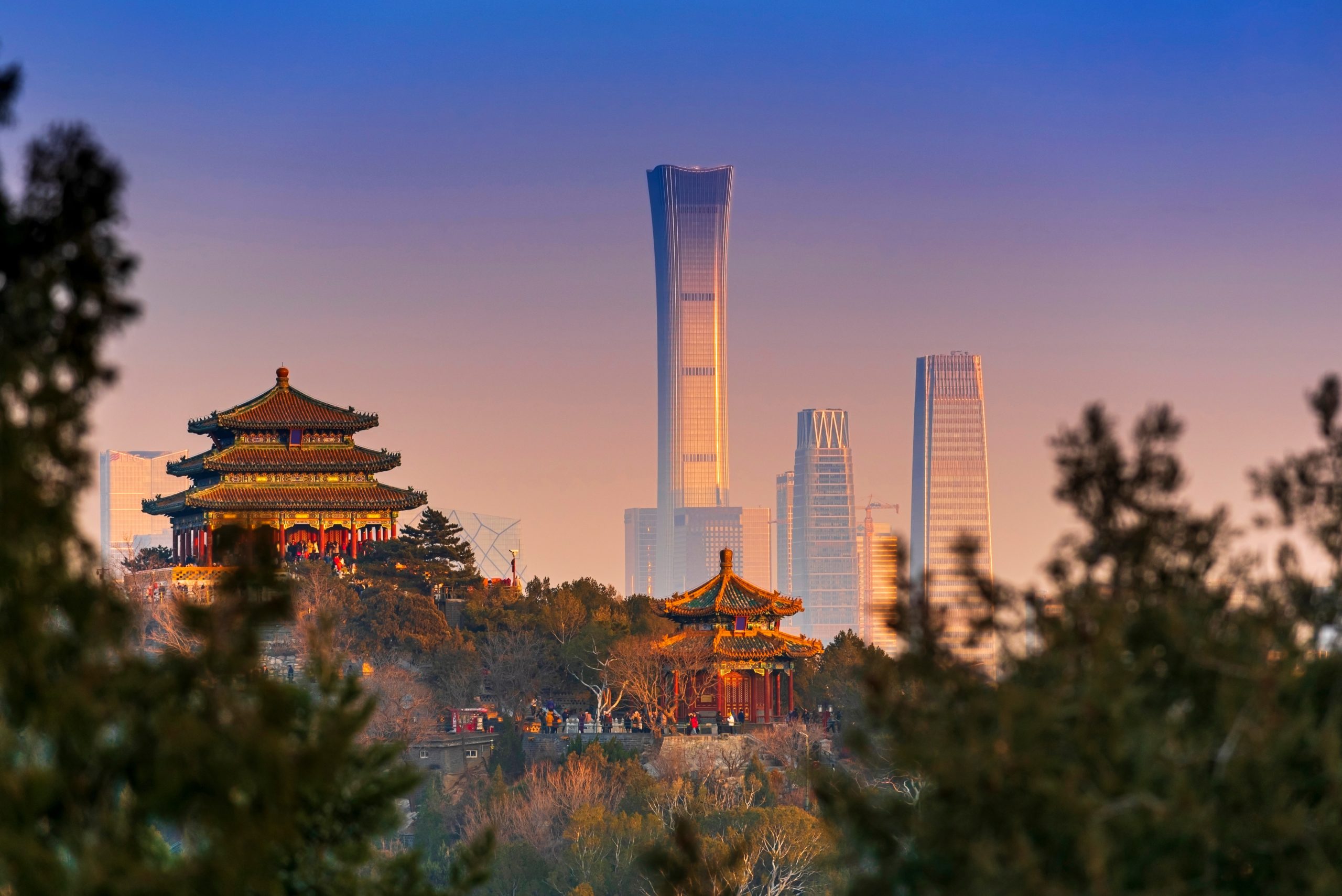
For 30 years, Korea has been careful to balance its largest neighbor China on the one hand, and its security partner the U.S. on the other.
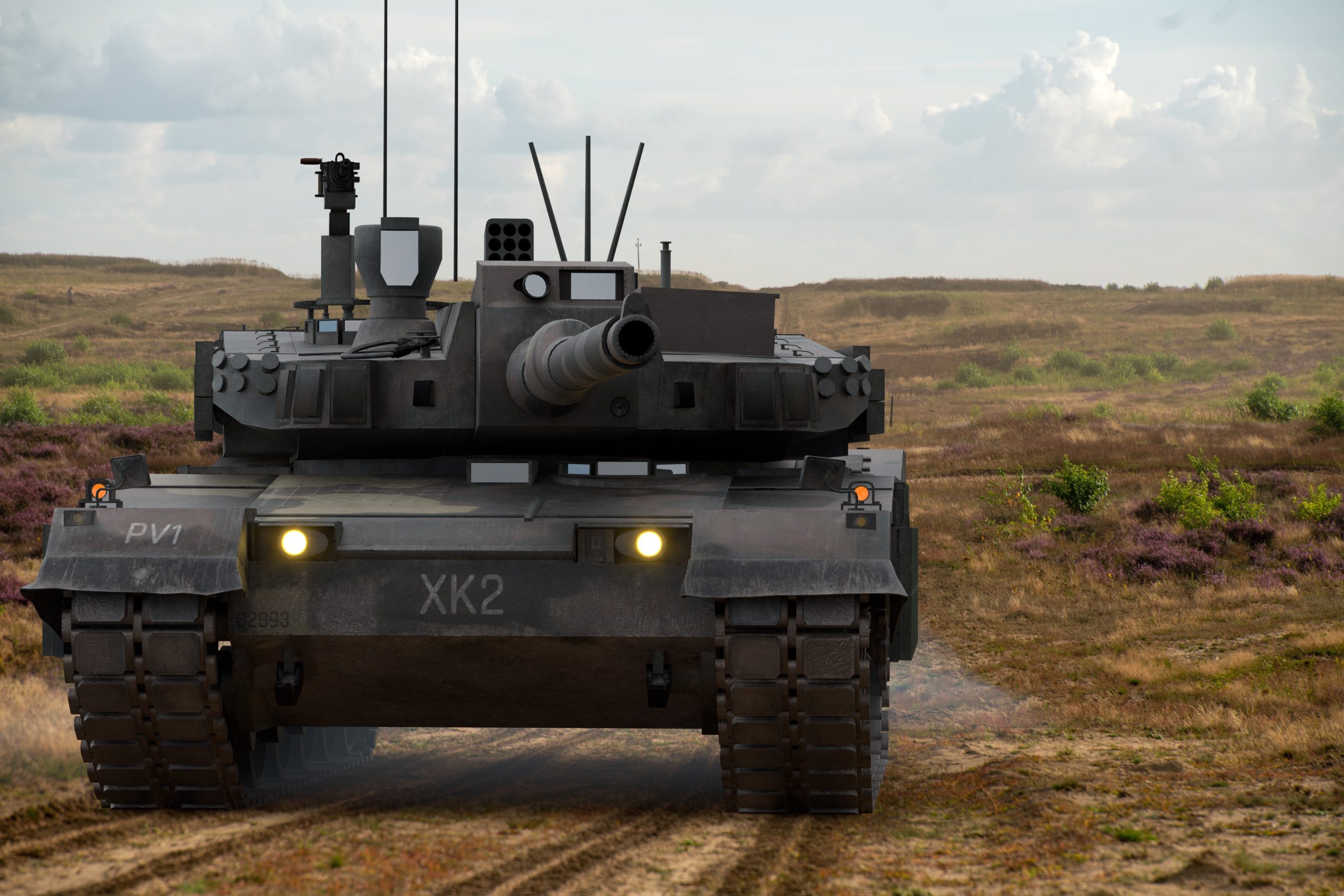
Korea emerged in 2022 as one of the world’s most prolific arms exporters with an unprecedented $15-20 billion sale of military hardware.
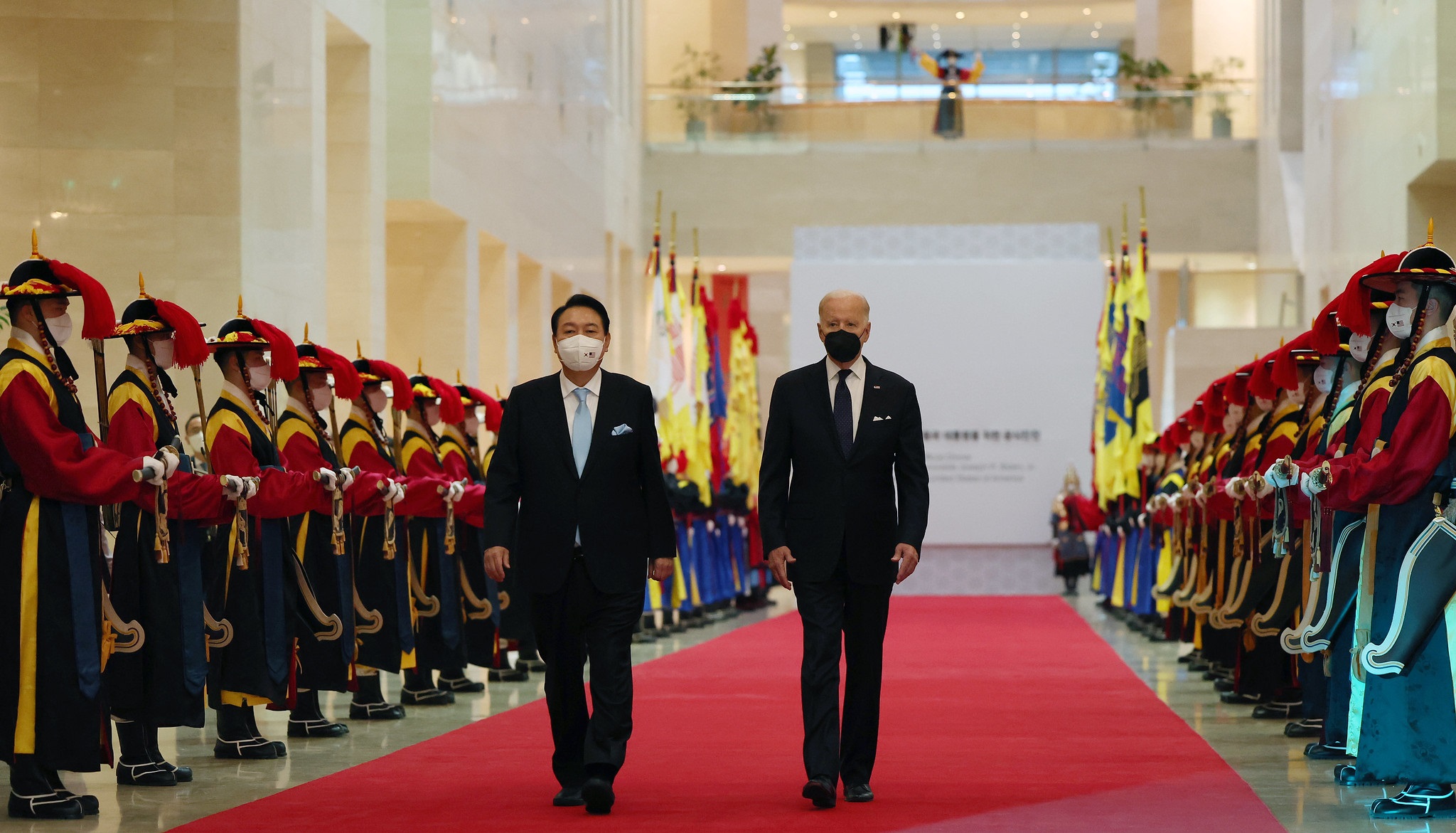
South Korea’s expansion of its geopolitical focus to the Indo-Pacific signals closer cooperation with the U.S. and other like-minded nations.
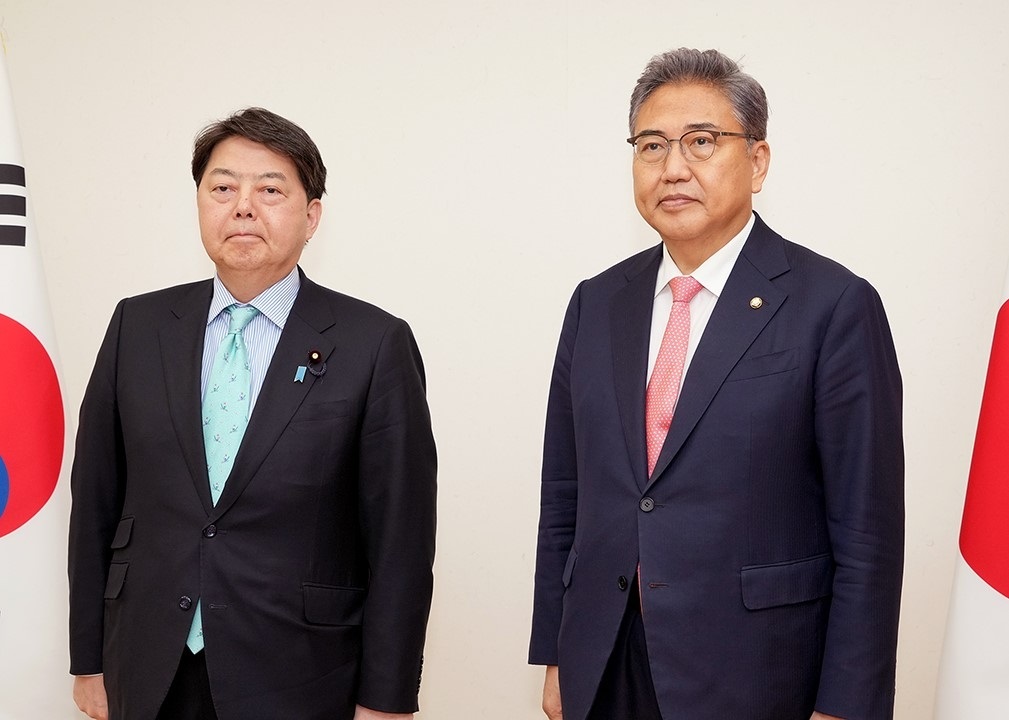
In 2022, Korea-Japan relations seemed poised for a return to cooperation after a period of dysfunction and tension, but have not to date.
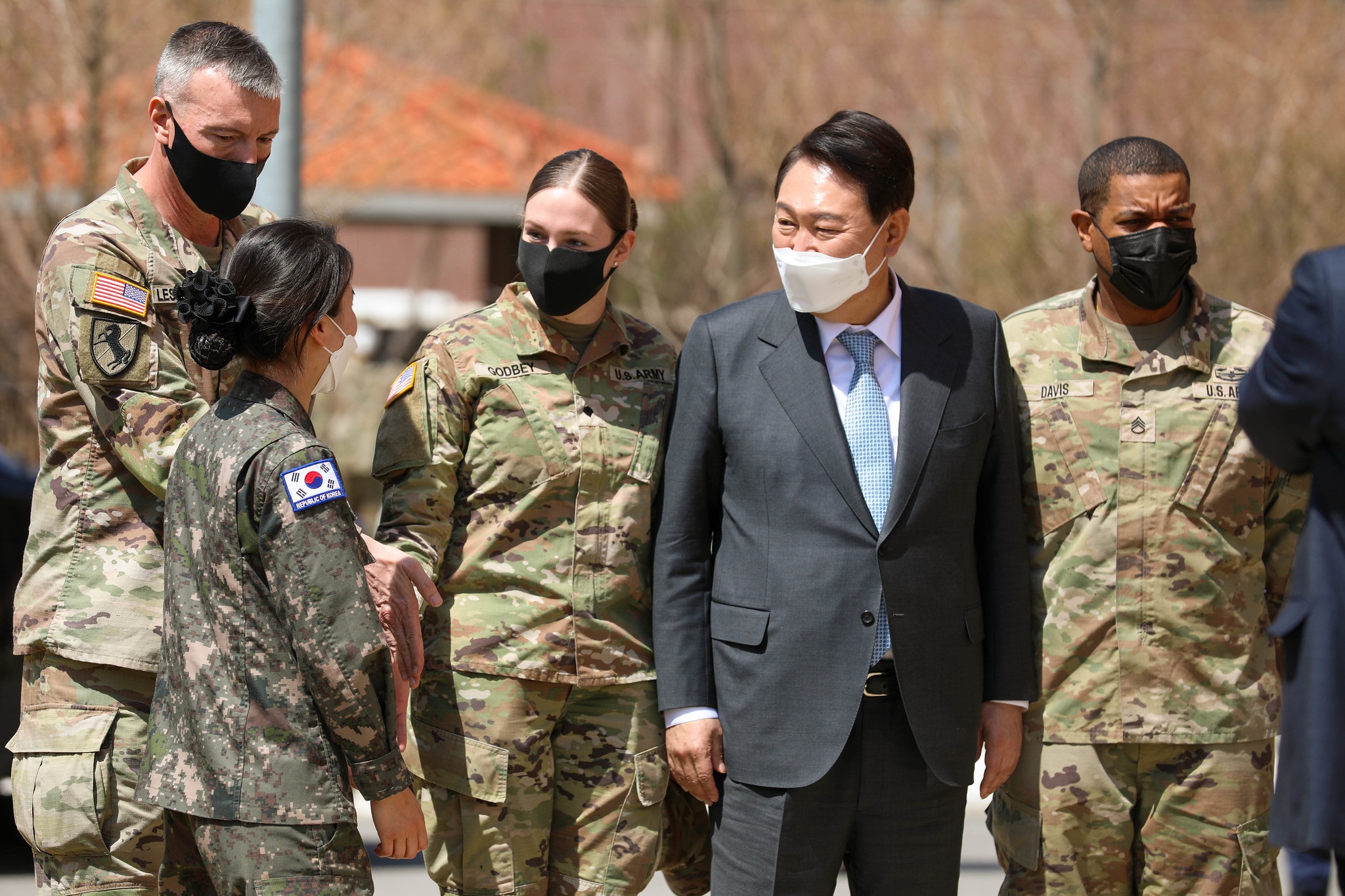
Can Seoul balance expanding its autonomy while grounding its Indo-Pacific strategy in the U.S.-Korea alliance?

The OECD projects that Korea’s GDP growth will slow from 2.7% in 2022 to just under 2% in 2023 and 2024.
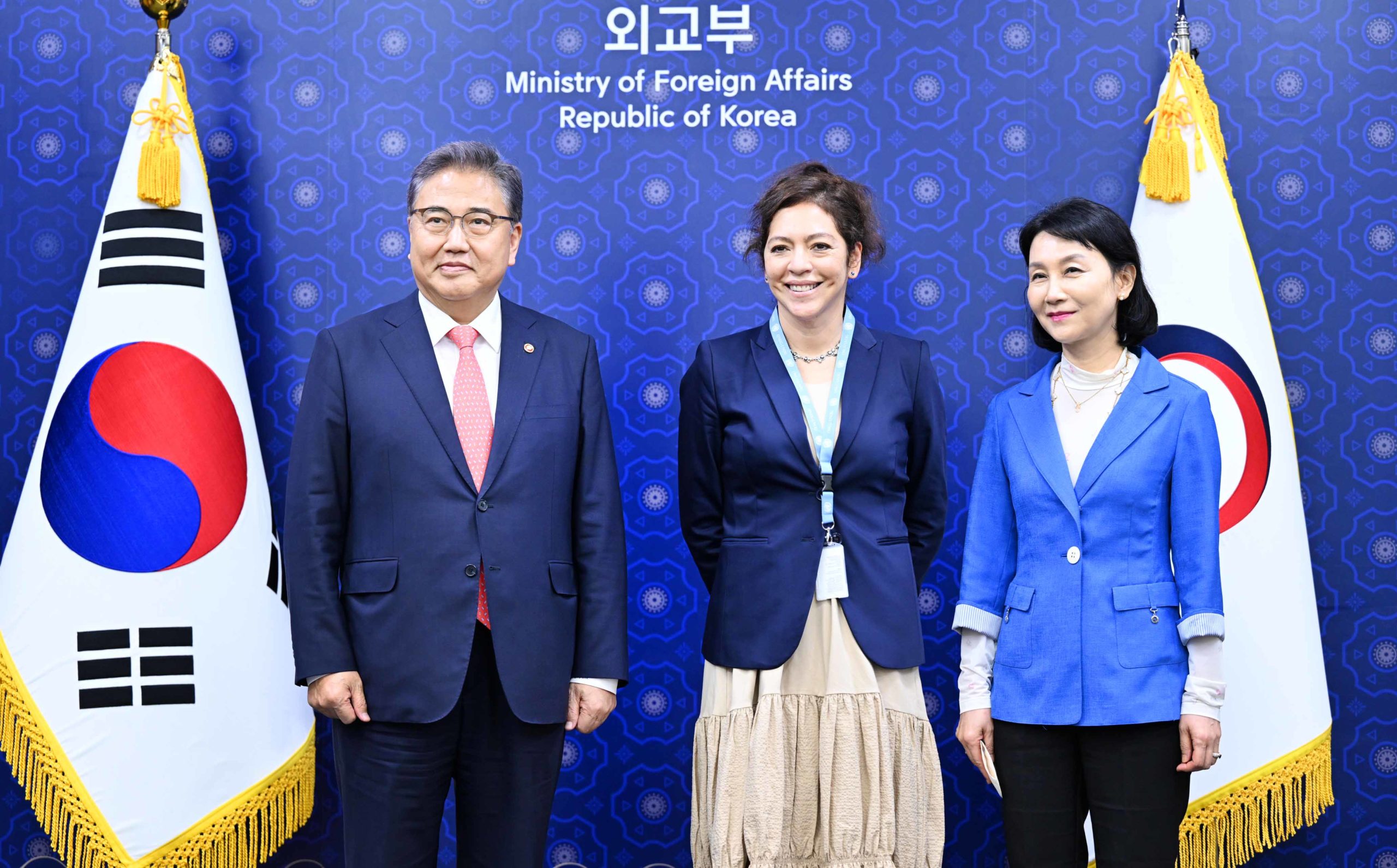
As South Korea re-engages on the issue of human rights in North Korea at the United Nations, the new UN Special Rapporteur debuts.