The Corporate Battle for the Future of K-pop
The proxy battle between Kakao and HYBE for control of SM Entertainment has significant implications for K-pop’s future.


The proxy battle between Kakao and HYBE for control of SM Entertainment has significant implications for K-pop’s future.
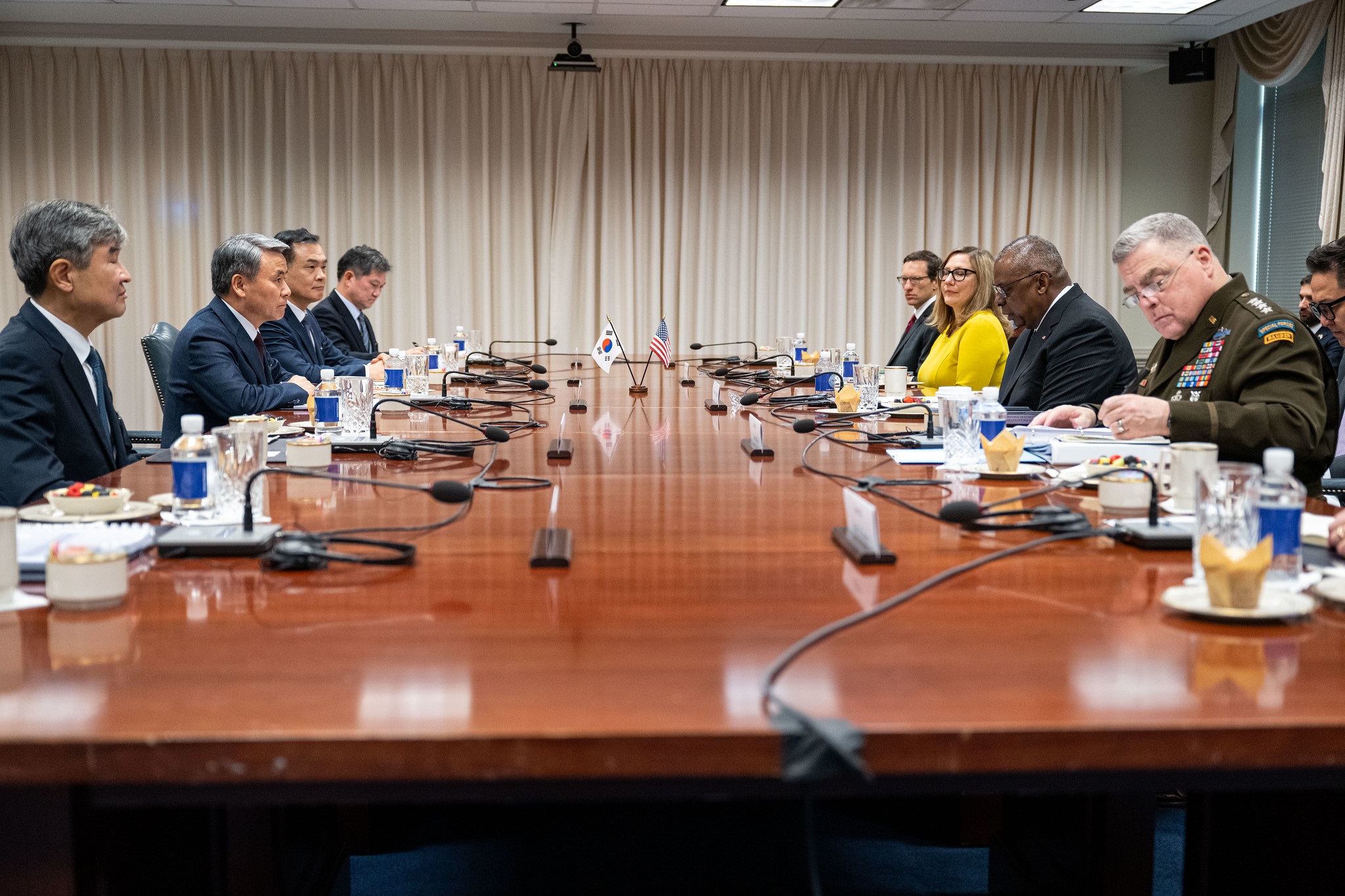
Consultative mechanisms collectively reflect the breadth and depth of ROK-U.S. security cooperation, as well as the increasingly complex strategic environment in which the alliance operates.

The history surrounding the U.S. commitment to South Korea, including the nuclear umbrella, is critical to understanding the alliance today.
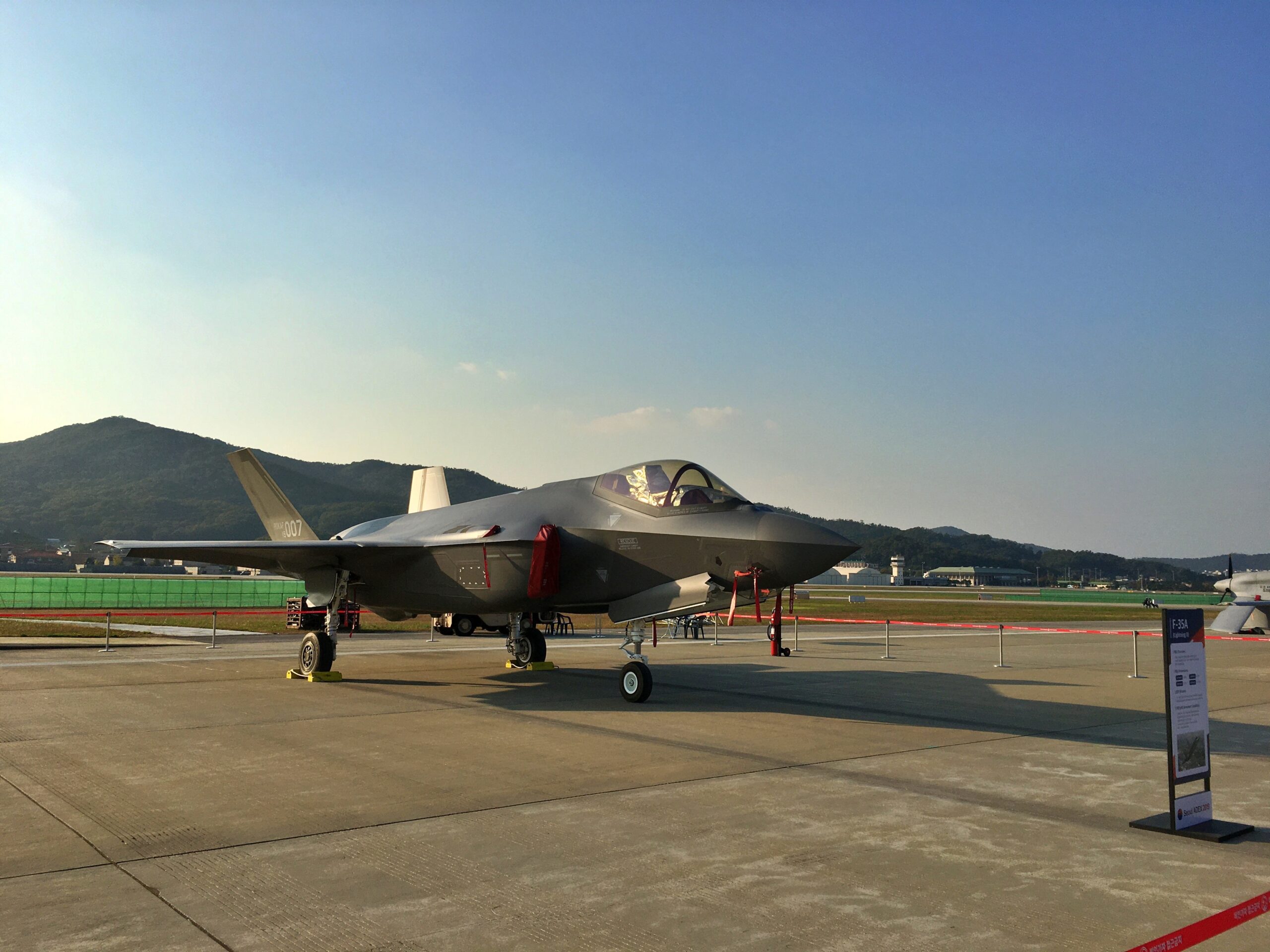
South Korea’s conventional weapons advancements are a critical variable in Seoul’s potential development of an indigenous nuclear deterrent.
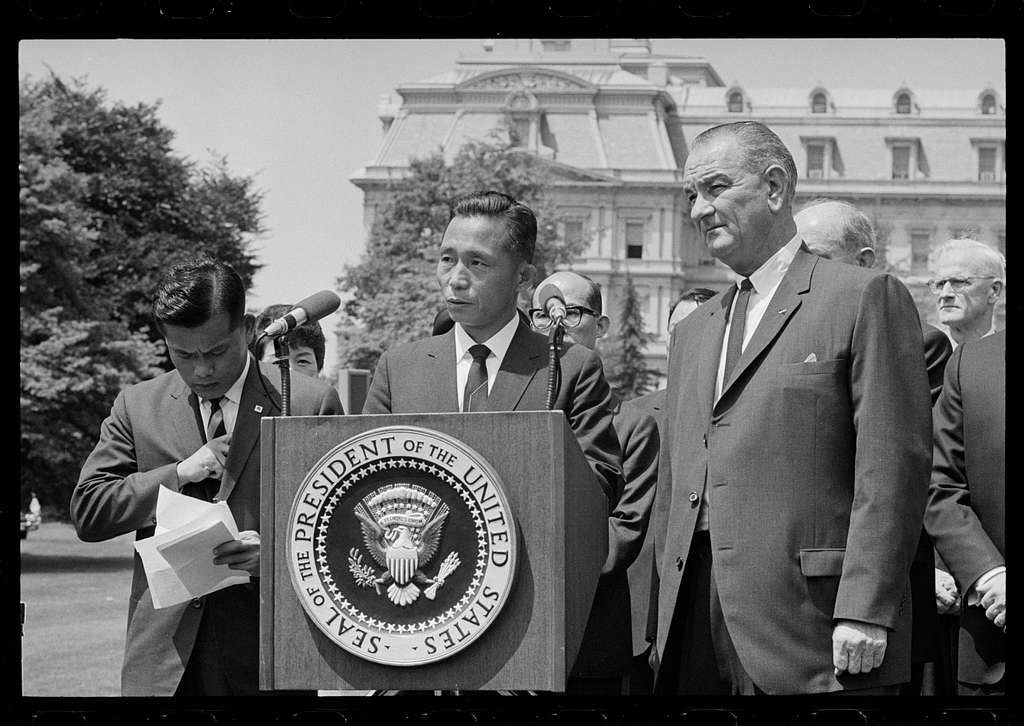
The 1970s was a turbulent period for the U.S.-ROK alliance, including South Korea’s first attempt to develop its own nuclear weapon.

While Korea has set its sights on the stars, challenges lie ahead for Seoul’s efforts to join the modern space race.

The announcement of a plan to resolve the issue of Korean wartime forced laborers was driven by the Korean government, but can it hold?

Social and demographic changes necessitate that Korea implement reforms to efficiently provide high-quality long-term care to the elderly.
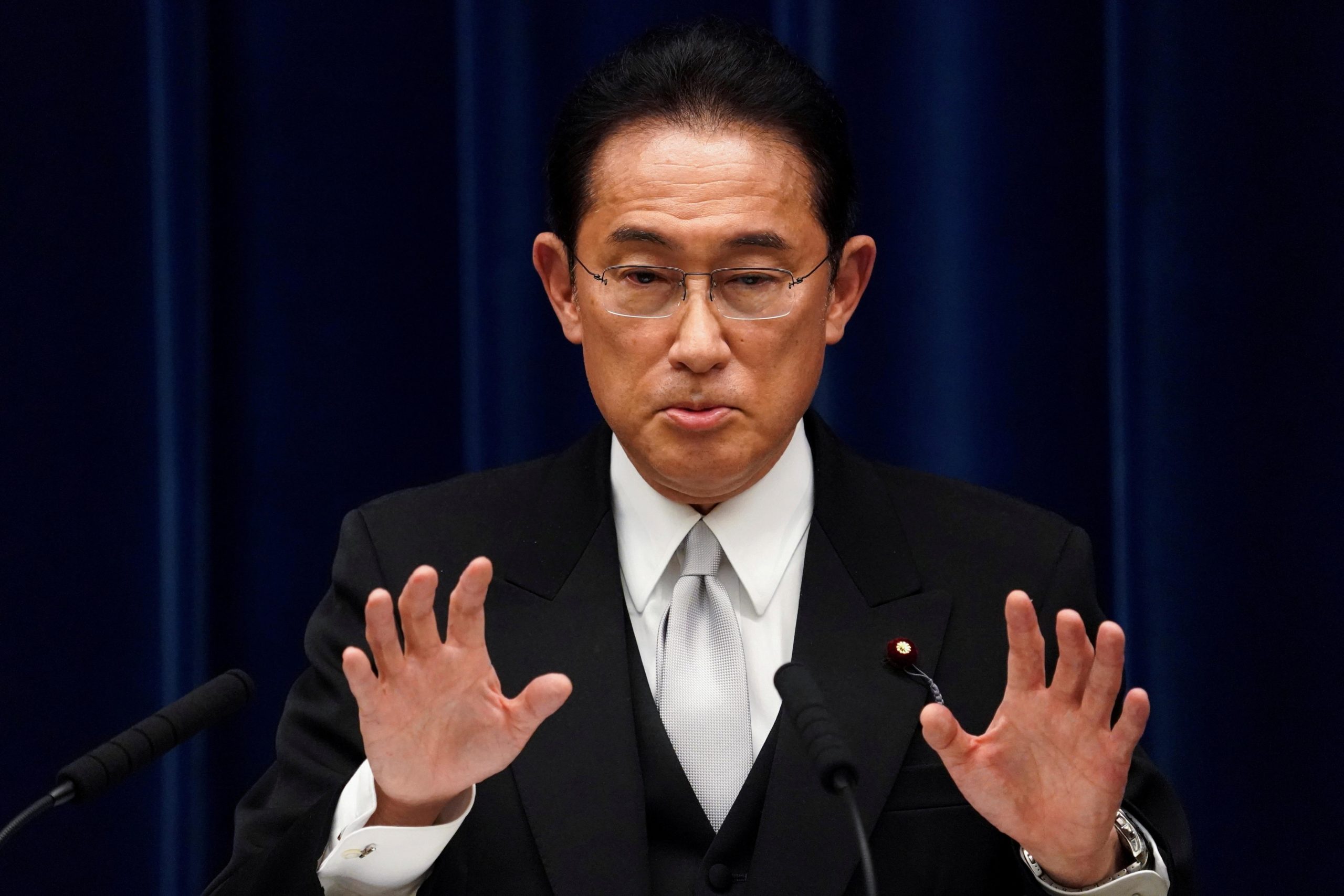
If Korea chose to pursue a nuclear weapon, it is likely that Japan would initially signal disapproval with diplomatic and economic sanctions.

A decision by South Korea to acquire its own nulcear weapons would be a shock to the U.S.-Korea alliance. How would it respond?