The Economic Components of the Camp David Trilateral Summit
The Camp David Summit marks the beginning of a new era and has implications far beyond security cooperation.

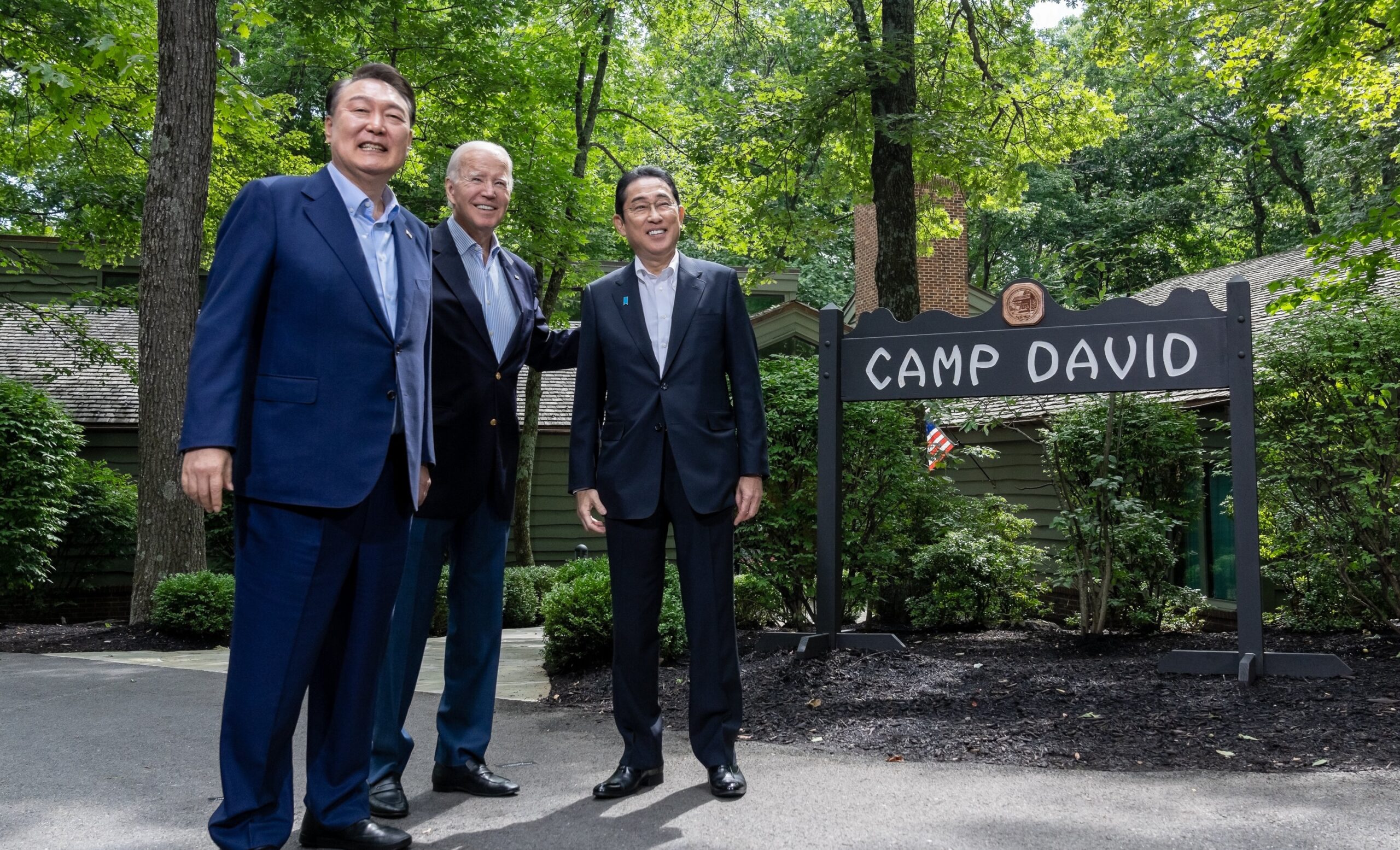
The Camp David Summit marks the beginning of a new era and has implications far beyond security cooperation.
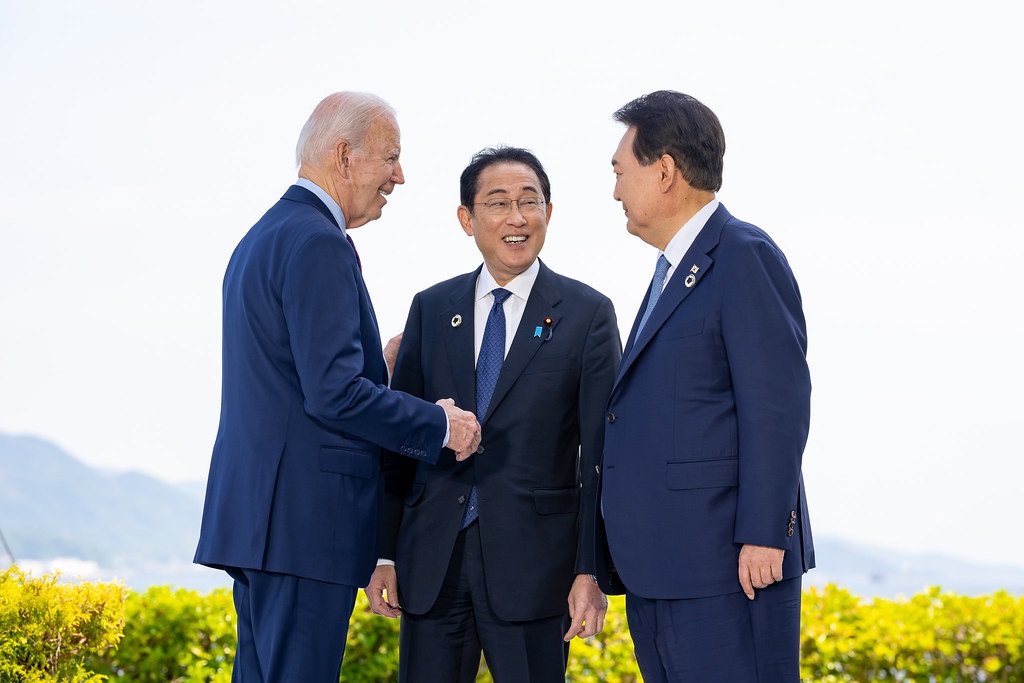
When the leaders of Japan and Korea join Biden at Camp David on August 18, it will cap a year of remarkable progress in improving relations.
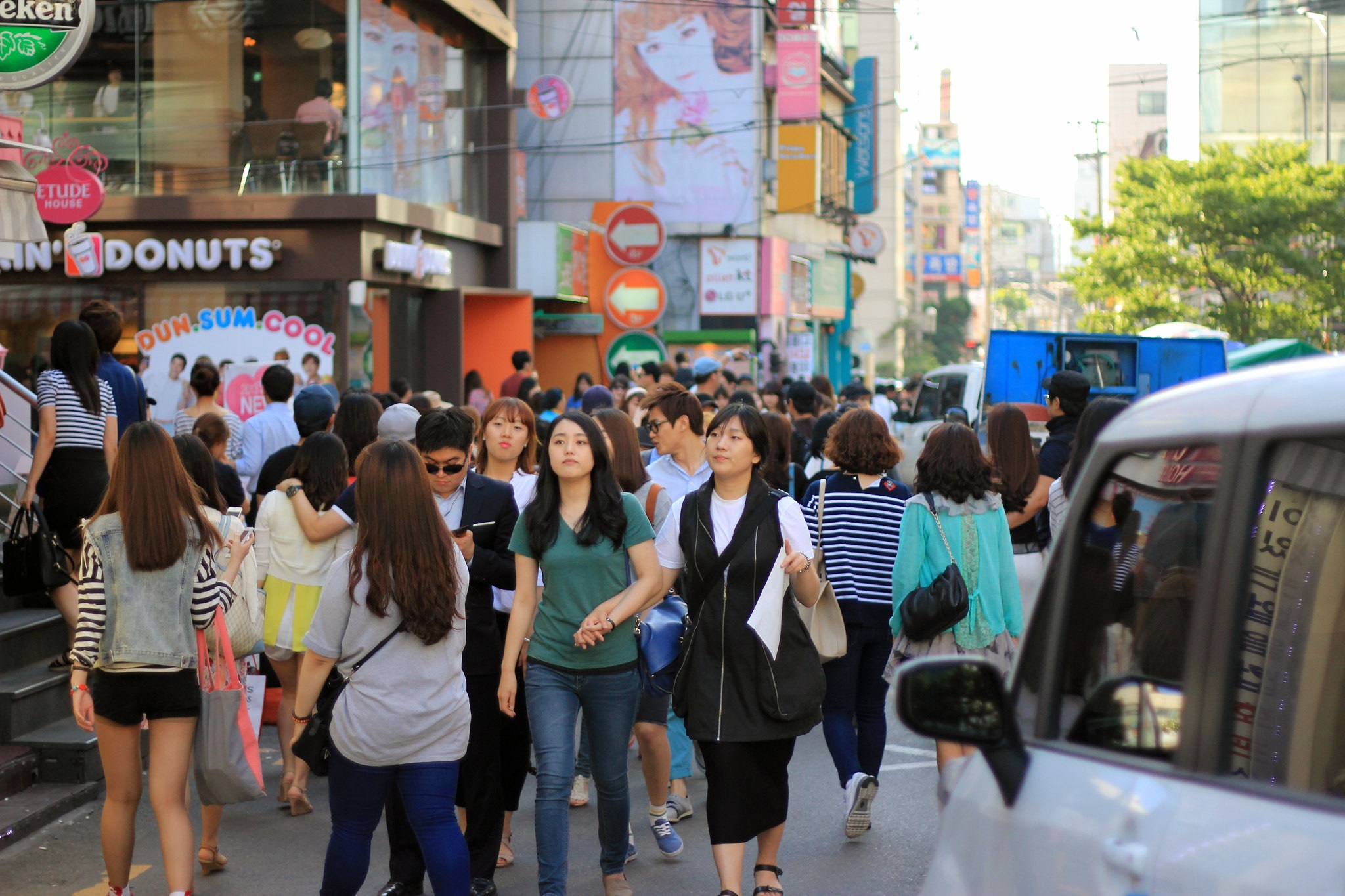
Raising the fertility rate in Korea depends in part on improving the young’s economic position, which requires fundamental economic reforms.
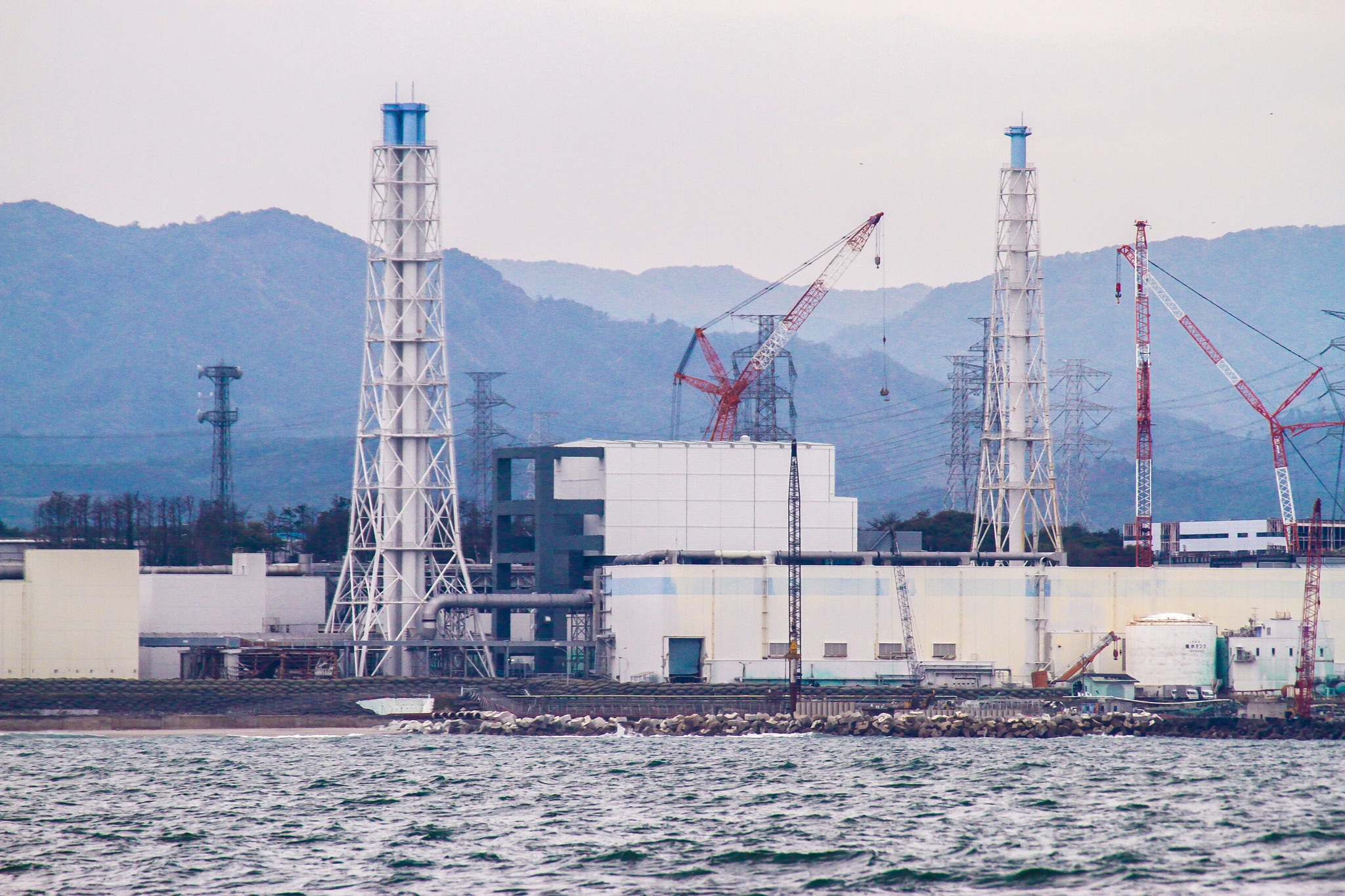
The release of contaminated water from Fukushima will be a test of President Yoon’s political skills and improving Korea-Japan relations.

Recent remarks by China’s ambassador and Seoul’s have prompted strong and diverse reactions from media, politicians, and the Sinosphere.

Korea has identified balancing work and childcare as a key to reversing the decline in the fertility rate.
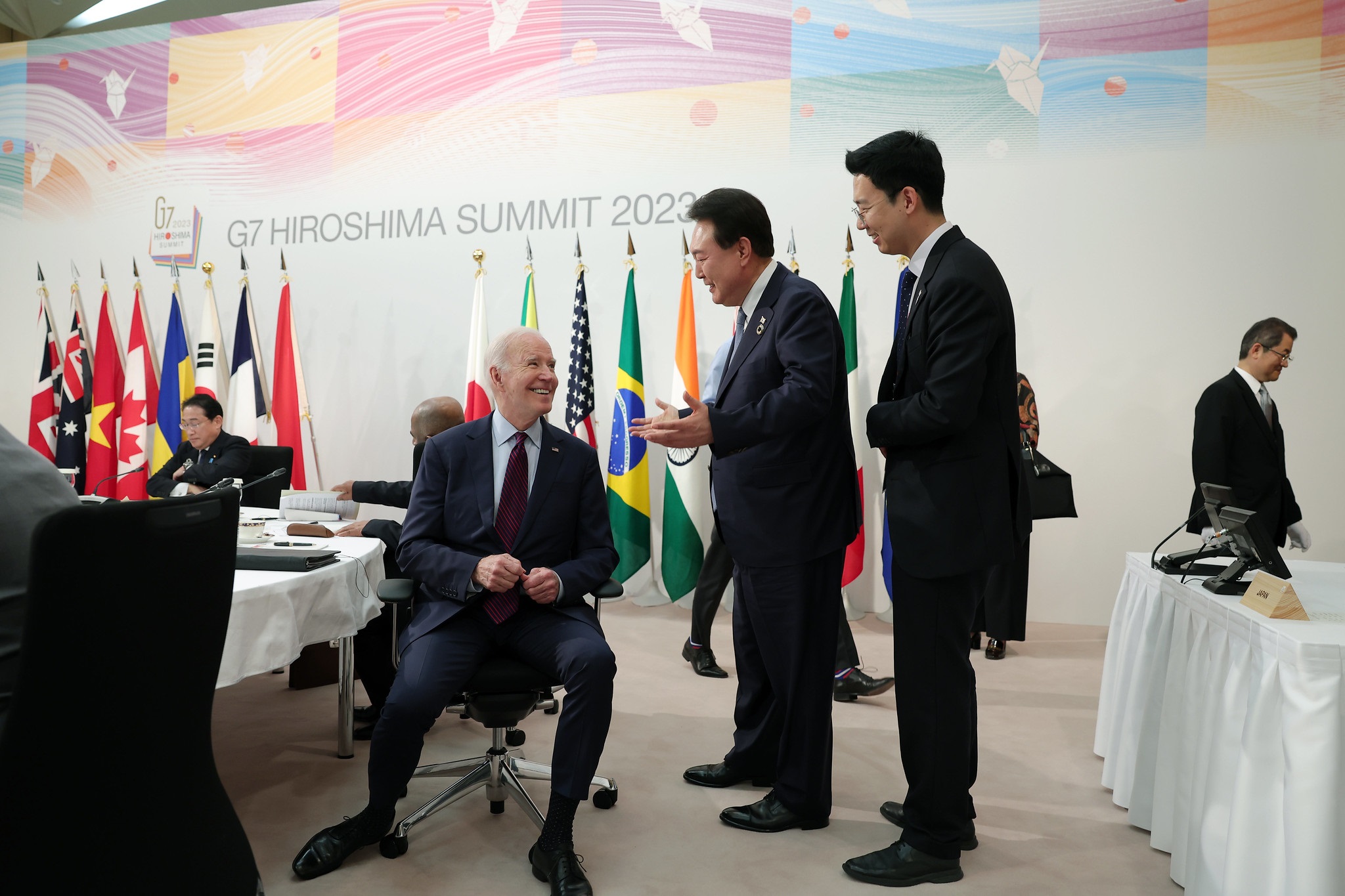
At the recent G7, Yoon Suk Yeol made progress in realizing his foreign policy vision of Korea as the “global pivotal state.”
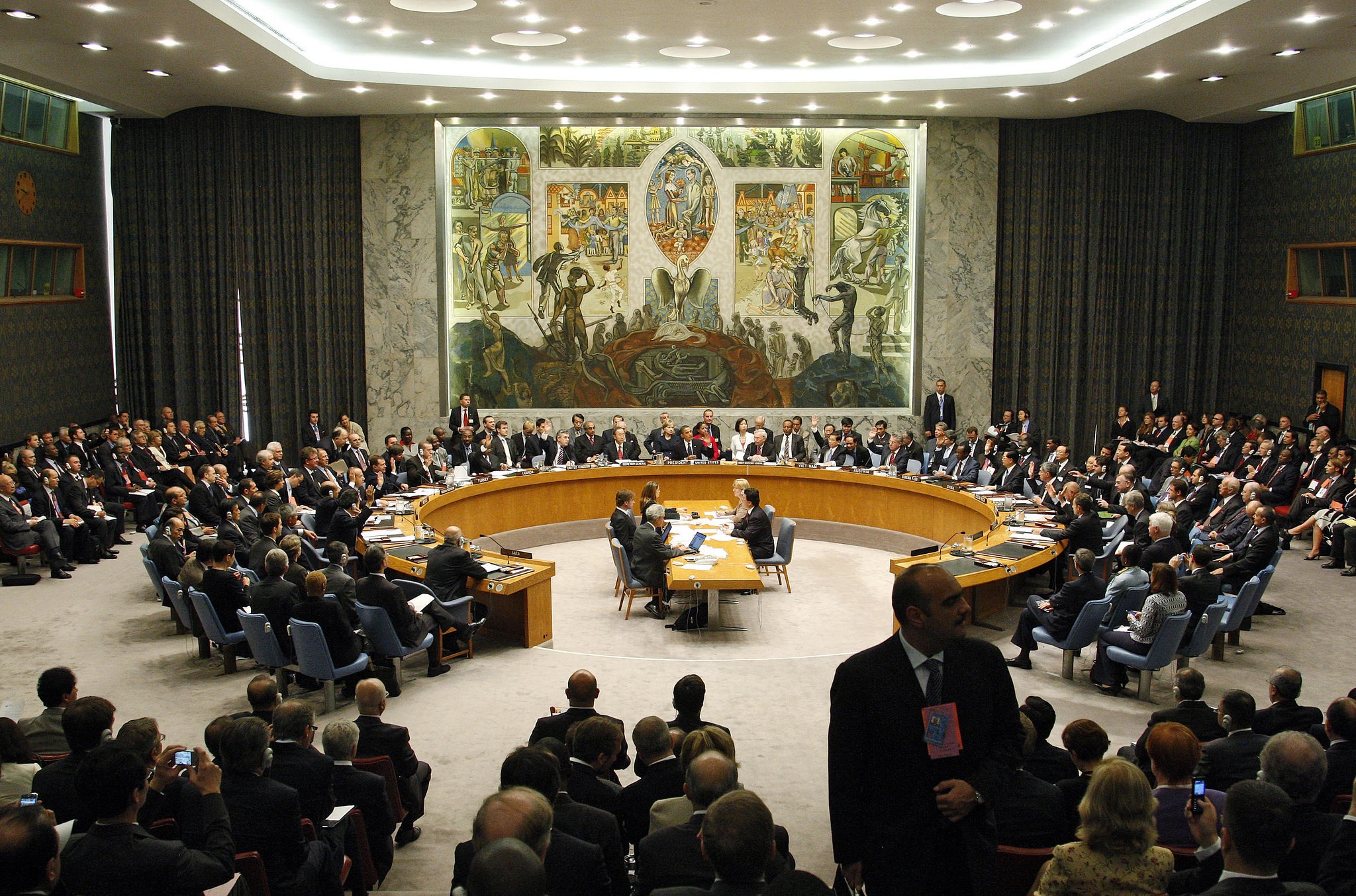
North and South Korea are set to take up new leadership roles in the United Nations at the World Health Organiztion and the Security Council.
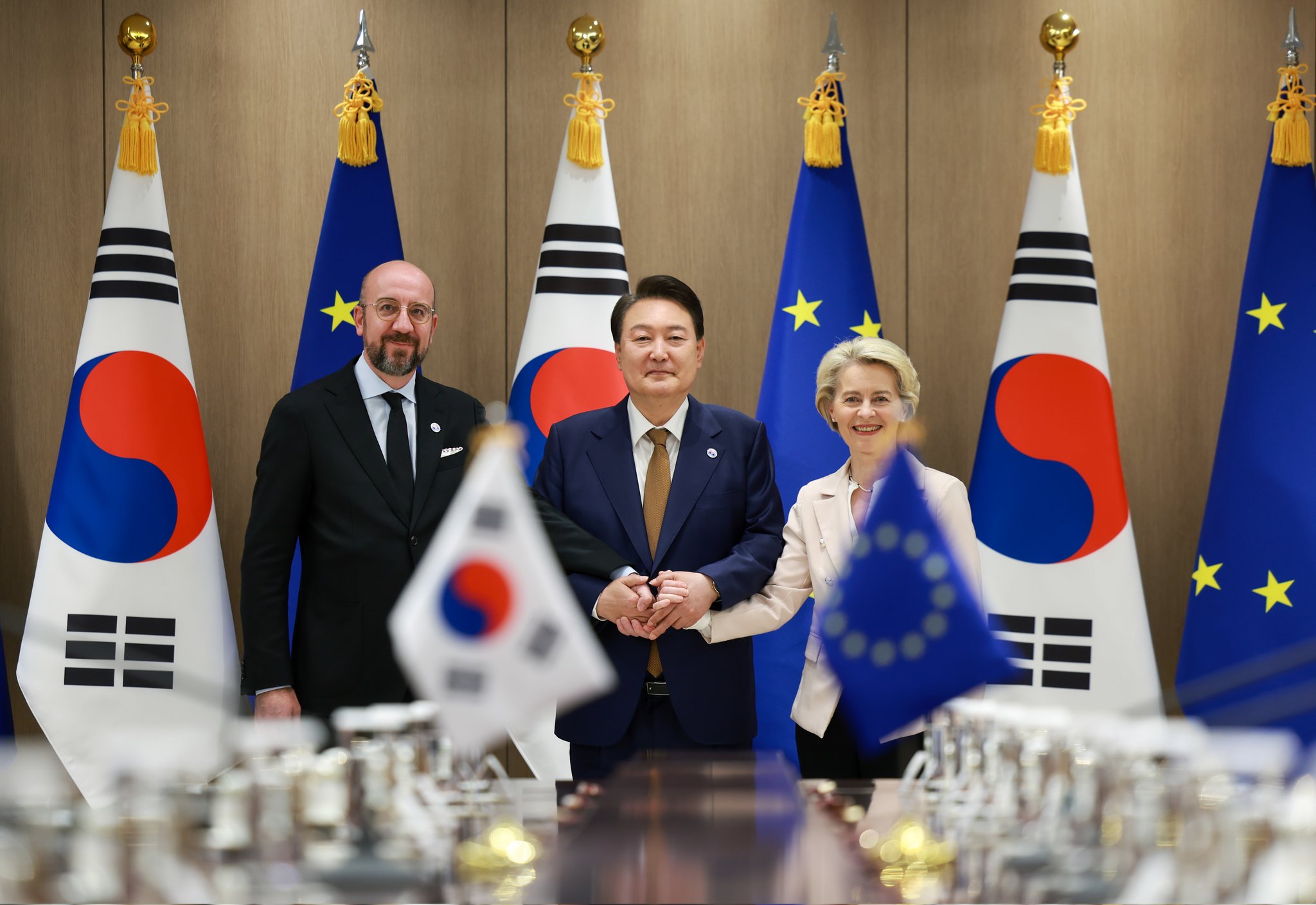
The May 22 ROK-EU Joint Statement represents both a deepening of ties and an implementation plan for cooperation with other partners.
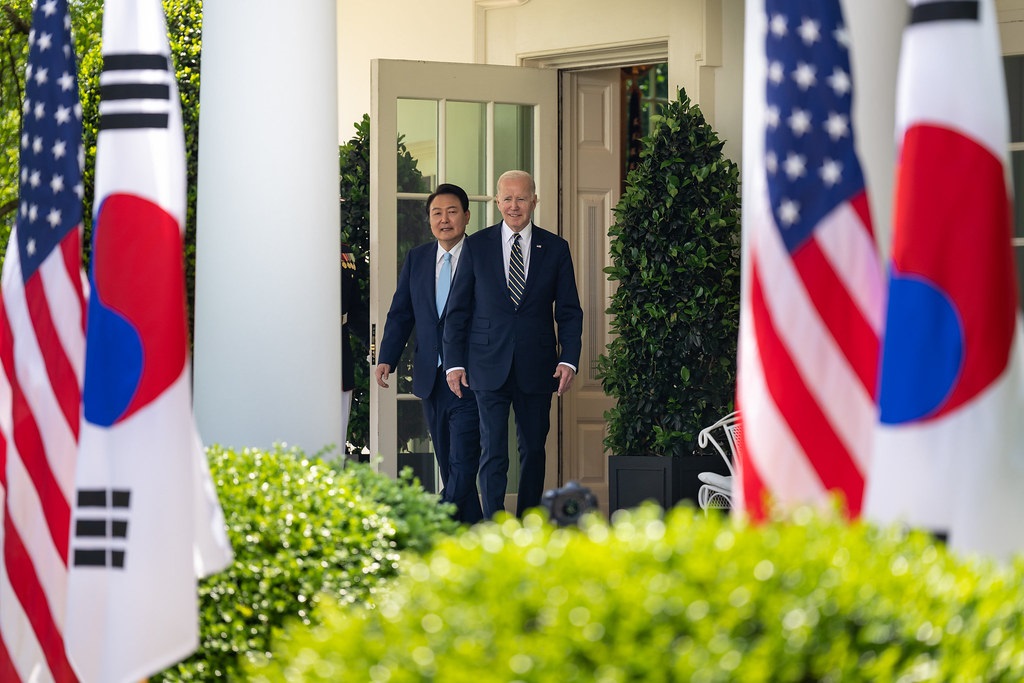
The Washington Declaration and NCG, amid North Korean nuclear threats, embodies the expectation, promise, and blueprint of the two countries.