What Putin’s Return Means for Russia and the Korean Peninsula
During his campaign for the Russian presidency, Vladimir Putin wrote several lengthy articles detailing his views and policy recommendations. In his foreign policy treatise, Putin…

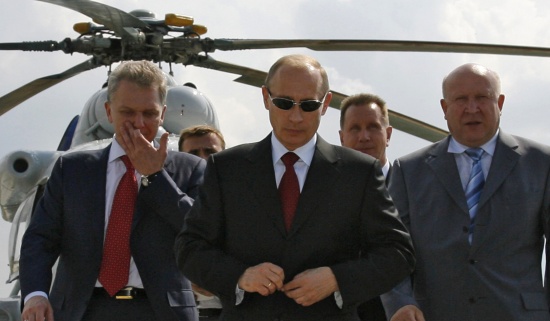
During his campaign for the Russian presidency, Vladimir Putin wrote several lengthy articles detailing his views and policy recommendations. In his foreign policy treatise, Putin…
By Sarah K. Yun Traditionally, Korea’s major diplomatic and trade partners consisted of the United States, Japan, China, Europe, and Russia. Under President Lee Myung-bak’s…
By Caryn Fisher In 2009, a report released by the World Health Organization stated that the suicide rate for South Korea had risen to 31.0…
Korea’s dependence on the Middle East for energy and its success in developing export markets in the region gives Korea a strong interest in peace and stability in the region.
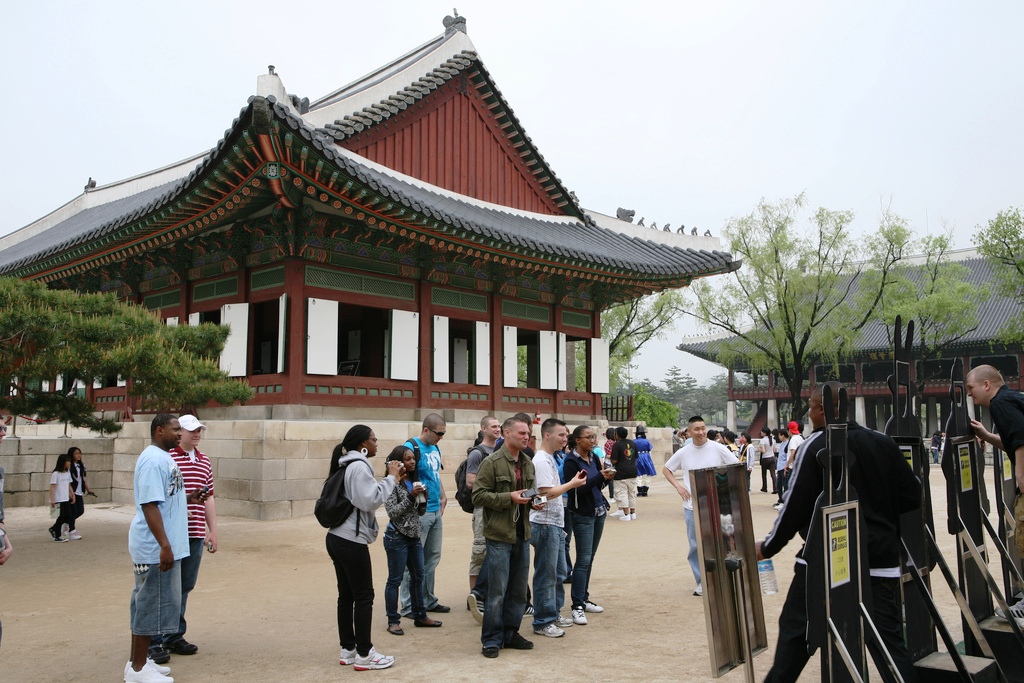
In the face of budget cuts, the education offices of South Korea’s two most populous regions announced in the second half of last year plans to reduce their roster of native English-speaking teachers in coming years.
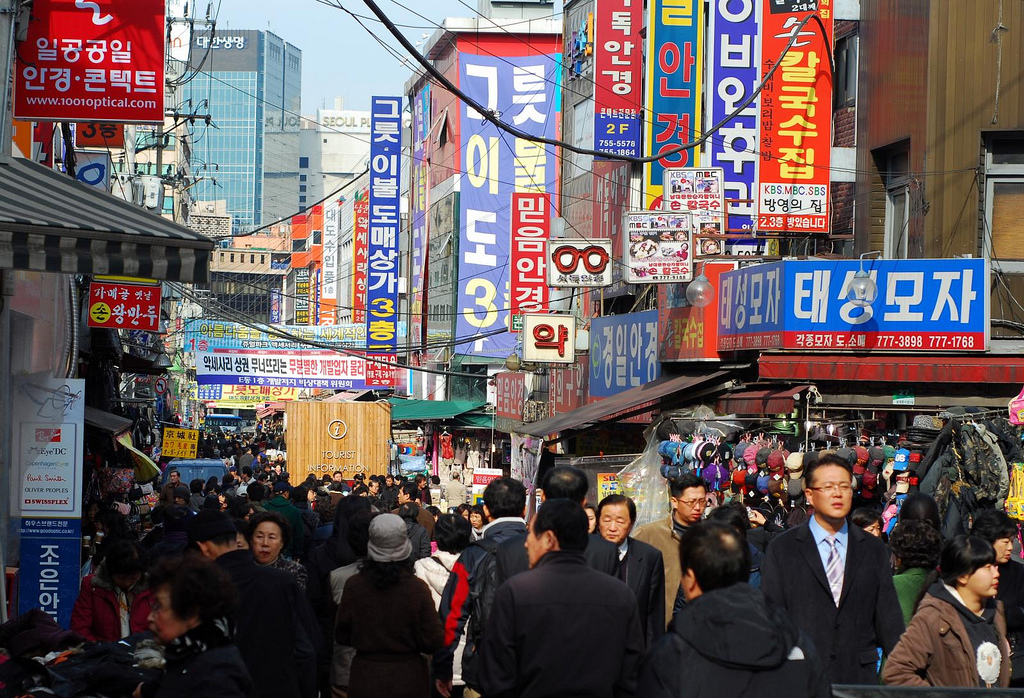
South Korea, one of the world’s top 35 freest economies according to the Heritage Foundation’s 2012 Index of Economic Freedom, confronts its own economic and political challenges as the economy attempts to weather uncertain times ahead.

The controversy over the Baltimore Orioles signing of Korean pitcher Kim Seong-min.
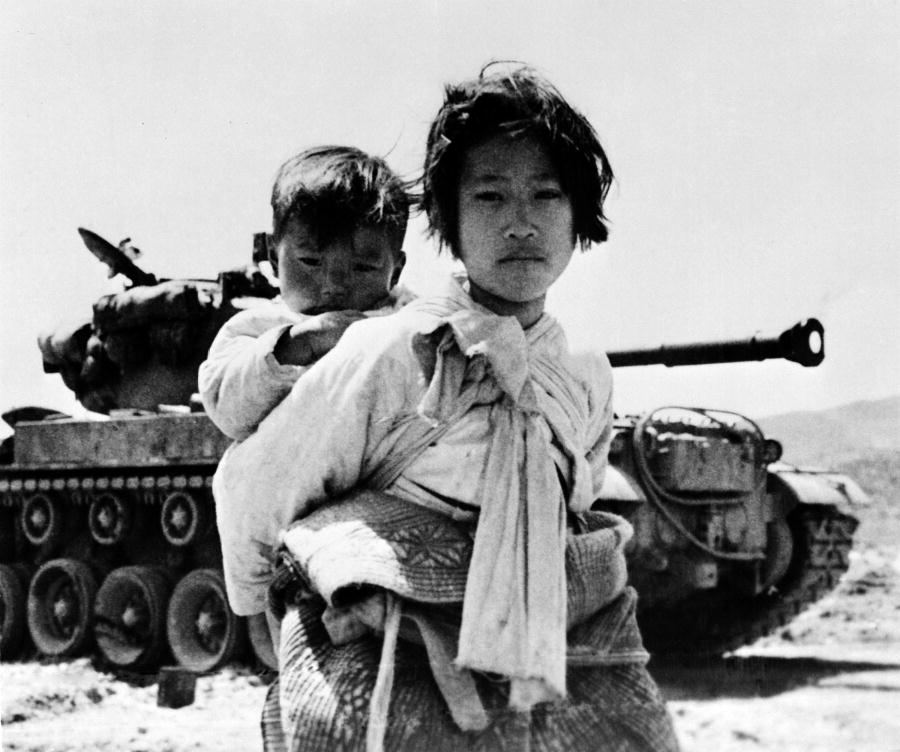
By Caryn Fisher Although South Korea has been sending children overseas for adoption since 1953, it wasn’t until a 1988 article by Matthew Rothschild, entitled…
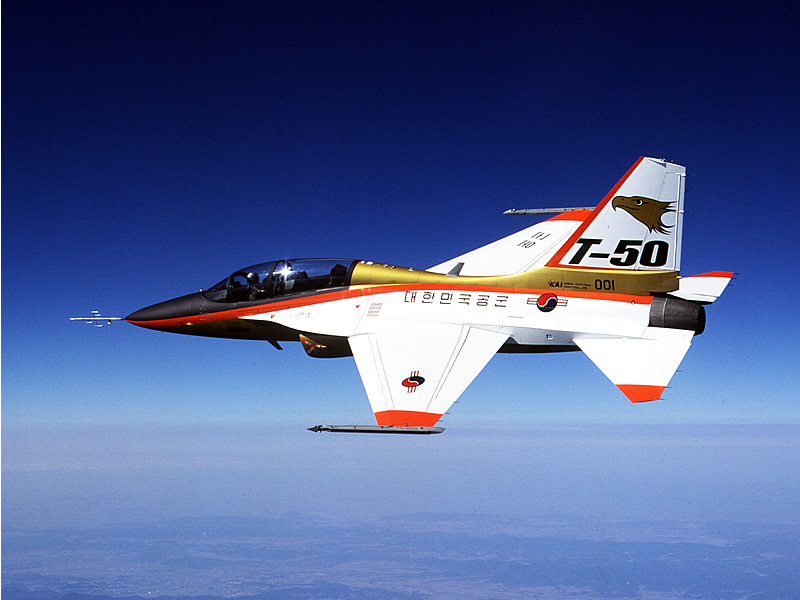
By Nicholas Hamisevicz Last month South Korea’s Defense Acquisition Program Administration (DAPA) commissioner Noh Dae-lae stated that DAPA had exceeded its defense exports goals last…
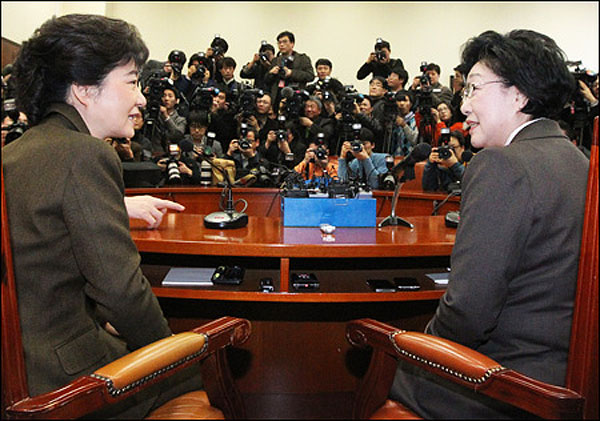
For the first time in Korean politics, two women are leading the ruling and opposition parties. Two other women became the chairpersons for the most liberal party in Korea.