A Politicization of Intelligence: Policy and Intelligence
An intense political debate is currently taking place in South Korea on reforming the National Intelligence Service (NIS). The current controversy over intelligence reform is…

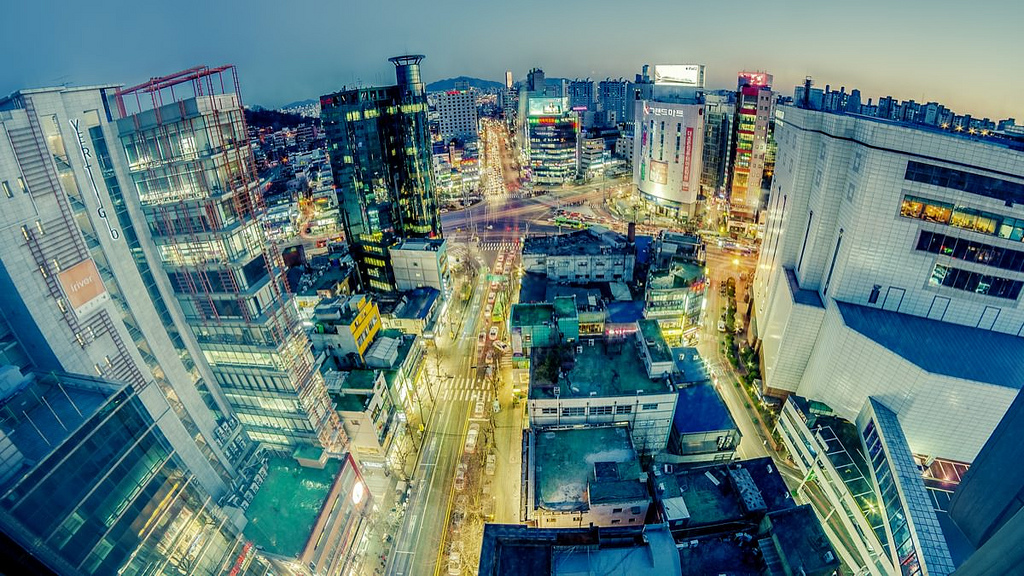
An intense political debate is currently taking place in South Korea on reforming the National Intelligence Service (NIS). The current controversy over intelligence reform is…
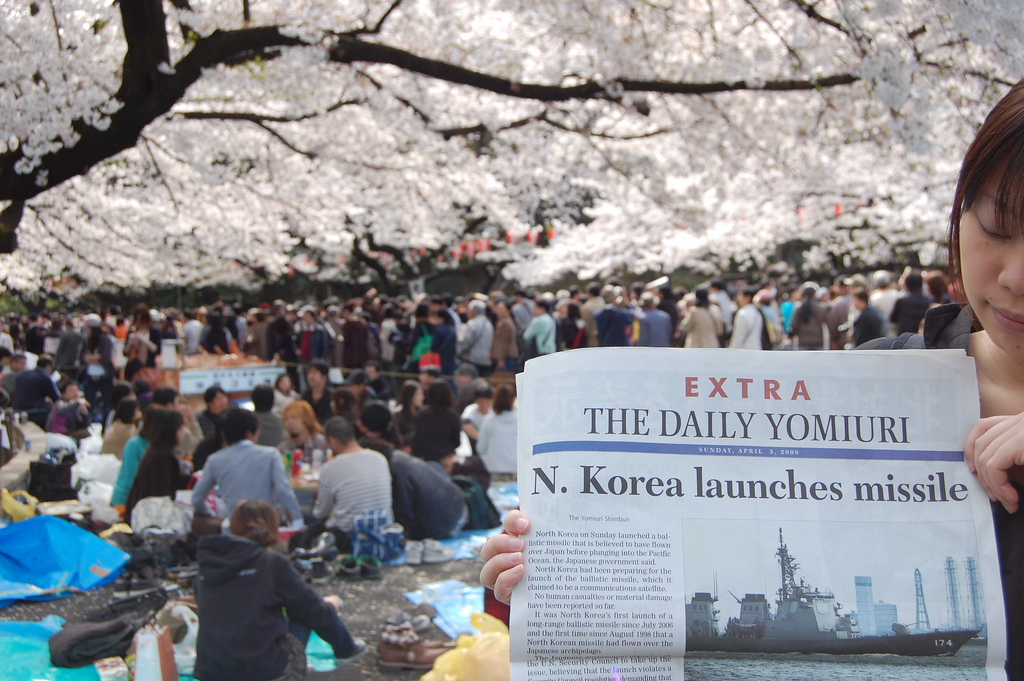
By Troy Stangarone Last week we looked at the results of a recent BBC survey of international perceptions of South Korea’s influence. The same survey…
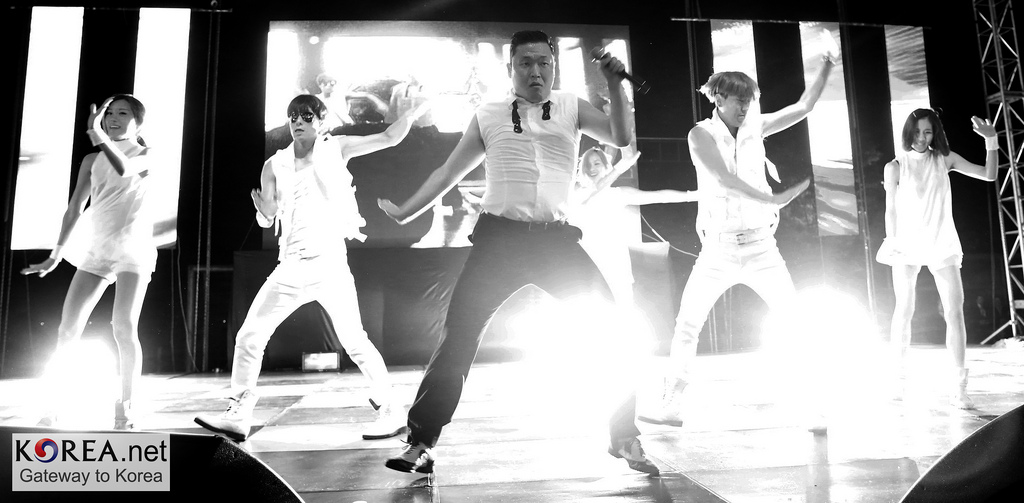
By Troy Stangarone With K-Pop finally making its global breakout with Psy’s international smash hit Gangnam Style, one might have expected there to be a…

In the aftermath of a successful summit meeting between Korea and the U.S., the Park Geun-hye administration is preparing for a summit meeting with Chinese…
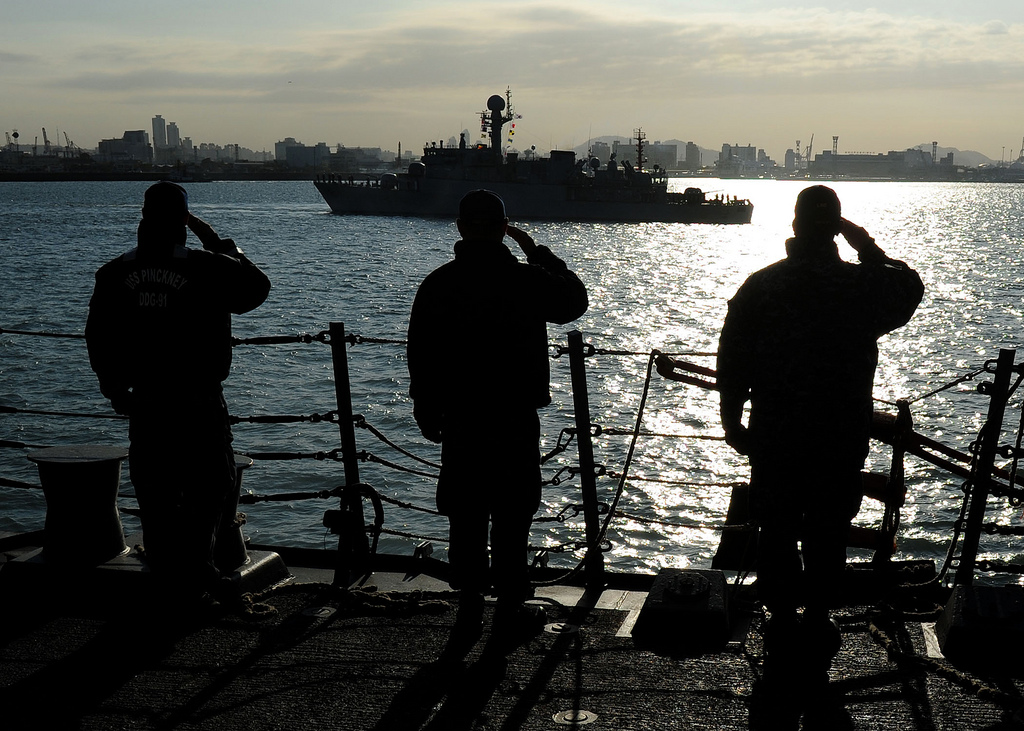
While the option of developing nuclear weapons will likely be continued to be debated as long as North Korea continues its provocations, it is not an option which South Korea is likely to seriously pursue.
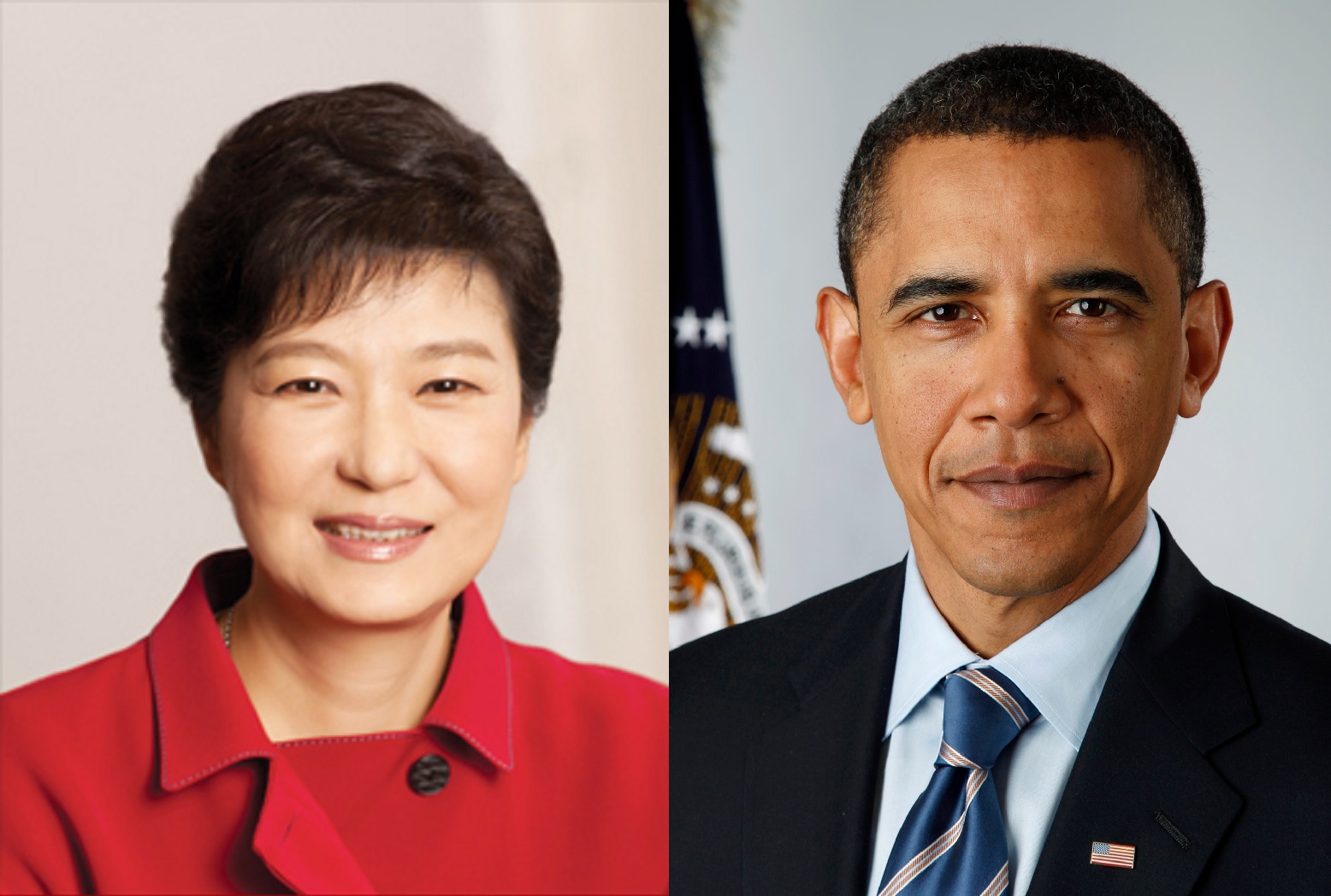
As Obama and Park hold their first formal meeting, they will look to build upon the strong working relationship that has existed between the United States and Korea in recent years and chart a course for the years ahead.
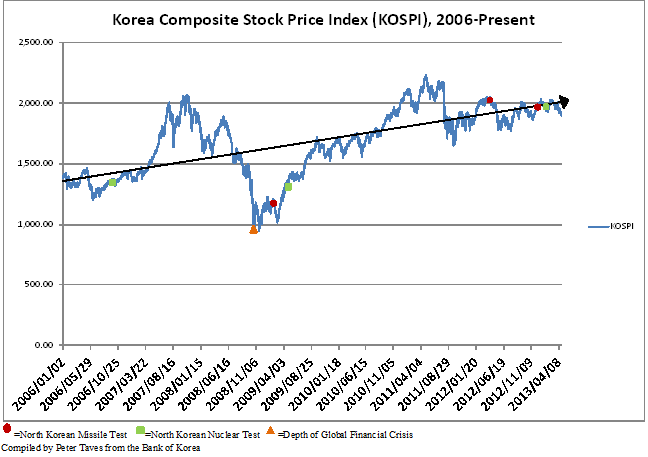
North Korea’s recent actions, including the suspension of work at Kaesong, are form of psychological and economic warfare against South Korea in response to heightened international sanctions against North Korea.

To some extent, offering a dialogue manages North Korea’s provocations. So, is it a signal of moving into a new game on the Korean Peninsula?
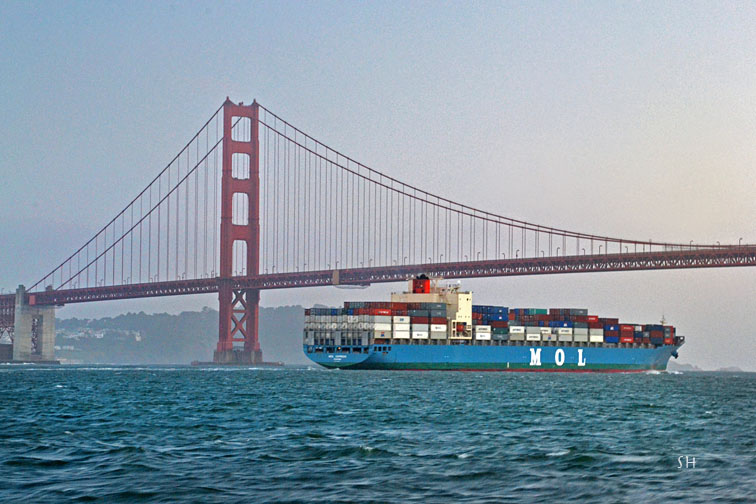
The U.S.-Korea Free Trade Agreement, or KORUS FTA, has now been in effect for one year and, as with any agreement, it is natural to reflect on what the FTA has achieved.

KITA data reveals that over time, South Korea is undergoing an increasing level of trade polarization (i.e. greater degrees of trade imbalances) vis- à-vis its trading partners.