What Happened to U.S.-Korea Trade One Year After Tariffs
Iran’s failure to achieve nuclear latency has significant implications for South Korea and Japan’s thinking on their own nuclear strategy.

Iran’s failure to achieve nuclear latency has significant implications for South Korea and Japan’s thinking on their own nuclear strategy.
While annual investment funding is capped at USD 20 billion, the full package including $150 billion in shipbuilding must be announced by January 2029.
The Trump administration’s ability to levy tariffs in other ways will likely persuade South Korea to keep its investment commitments under the tariff deal.
Data shows that 2025 GDP rose 1 percent above 2024, but a surge in the third quarter did not continue through the end of the year.
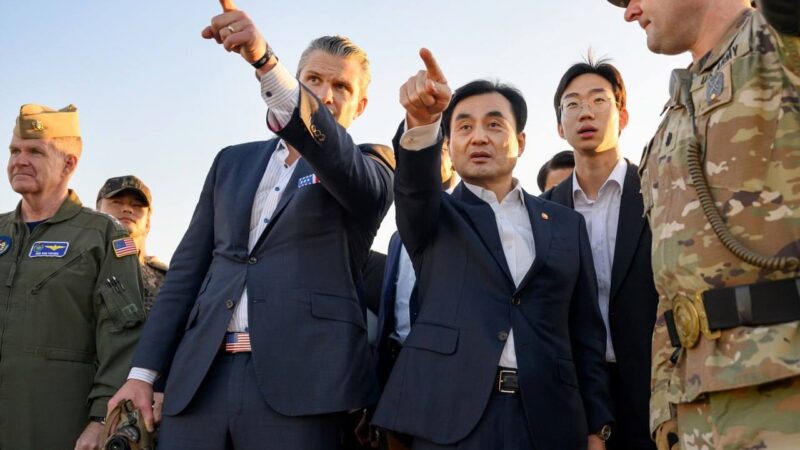
From alliance recalibration to the “Korea Discount,” KEI experts analyze the critical issues shaping U.S.–South Korea relations in 2026.
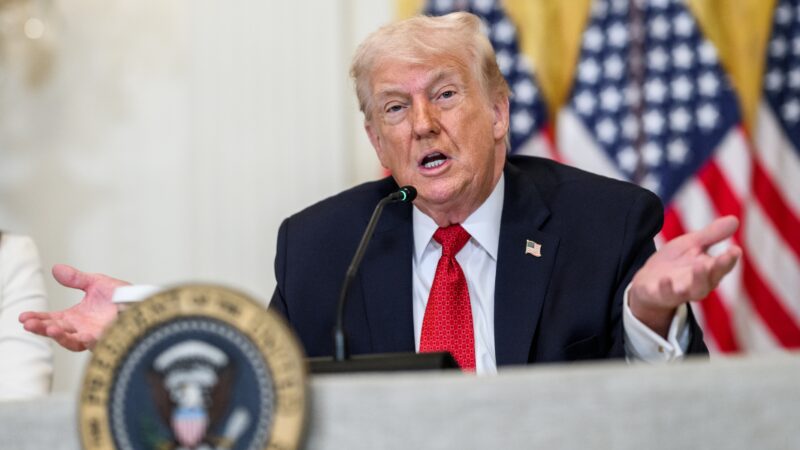
Investment commitments, tariff deals, and bilateral MOUs may now have to be completed with the caveat in mind that anything can change at a moment’s notice.

The foundation of AI, including advanced chips, memory, sensors, and compute capacity, is where the U.S. and Korean supply chains are the most intertwined.
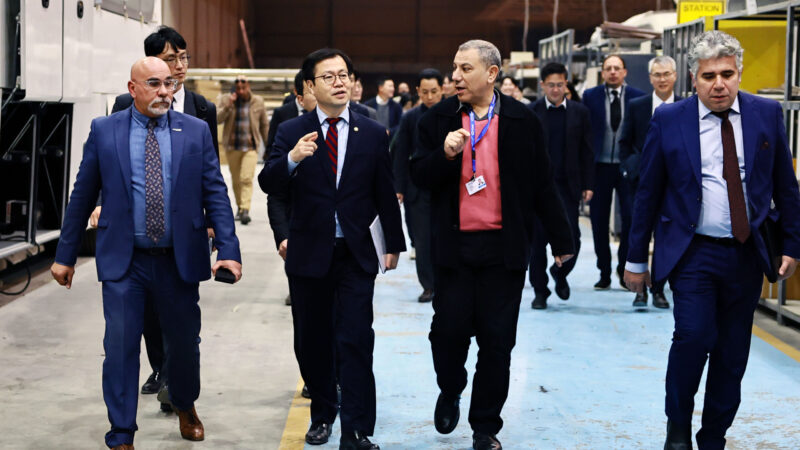
While Korea’s export growth in 2025 slowed due to protectionist trade policies, real GDP growth was expected to pick up in 2026.
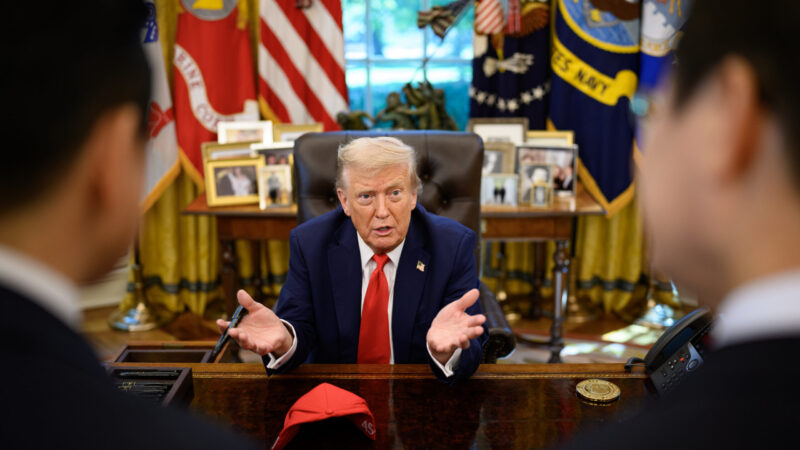
Korea’s cosmetics industry has moved beyond trend-driven consumption and matured into a key export pillar.
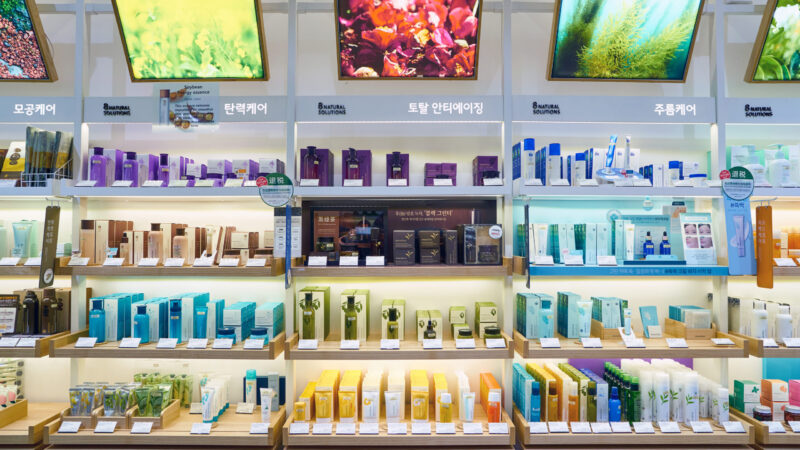
Korea’s cosmetics industry has moved beyond trend-driven consumption and matured into a key export pillar.