
Lecturer in East Asian Studies at Stanford University
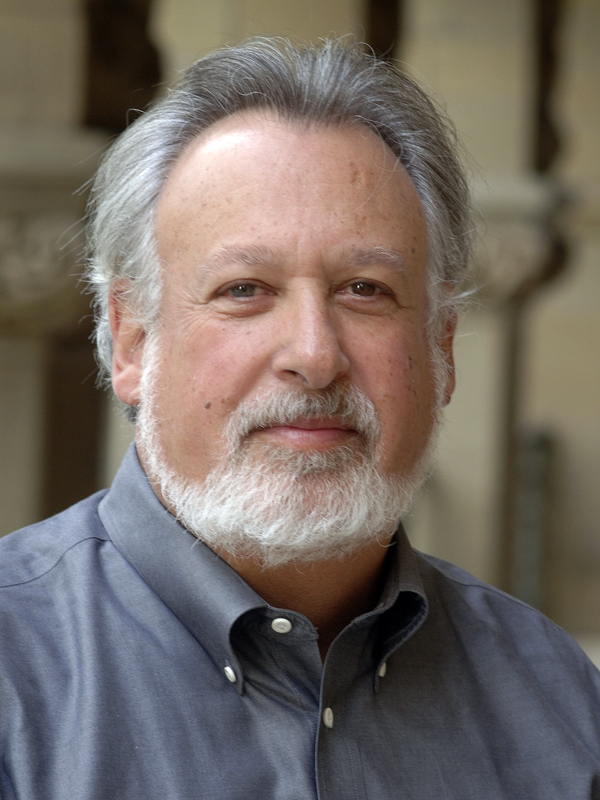
Biography
Daniel C. Sneider is a non-resident Distinguished Fellow at the Korea Economic Institute of America and a lecturer in East Asian Studies at Stanford University. He is the former Associate Director for Research at the Walter H. Shorenstein Asia-Pacific Research Center at Stanford. His own research is focused on current U.S. foreign and national security policy in Asia and on the foreign policy of Korea and Japan.
Sneider is currently completing a diplomatic history of the creation and management of the U.S. security alliances with Japan and South Korea during the Cold War. Sneider contributes regularly to the leading Japanese publication Toyo Keizai and was Associate Editor of the widely read Nelson Report on Asia policy issues.
At Shorenstein APARC, Sneider directed the center’s Divided Memories and Reconciliation project, a comparative study of the formation of wartime historical memory in East Asia. He is the co-author with Dr. Gi-Wook Shin of a book on wartime memory and elite opinion, Divergent Memories: Opinion Leaders and the Asia-Pacific War, from Stanford University Press. He is the co-editor of Divided Memories: History Textbooks and the Wars in Asia, from Routledge and of Confronting Memories of World War II: European and Asian Legacies, from University of Washington Press.
Sneider was named a National Asia Research Fellow by the Woodrow Wilson International Center for Scholars and the National Bureau of Asian Research in 2010. He is the co-editor of Cross Currents: Regionalism and Nationalism in Northeast Asia, Shorenstein APARC, distributed by Brookings Institution Press, 2007; of First Drafts of Korea: The U.S. Media and Perceptions of the Last Cold War Frontier, 2009; as well as of Does South Asia Exist?: Prospects for Regional Integration, 2010.
Sneider’s writings have appeared in many publications, including the Washington Post, the New York Times, Slate, Foreign Policy, The New Republic, National Review, The Christian Science Monitor, International Economy, Korea Times, The Oriental Economist, and Asia Times. He is frequently cited in such publications.
Sneider’s path-breaking study “The New Asianism: Japanese Foreign Policy under the Democratic Party of Japan” appeared in the July 2011 issue of Asia Policy. He has also contributed to other volumes, including “Strategic Abandonment: Alliance Relations in Northeast Asia in the Post-Iraq Era” in Towards Sustainable Economic and Security Relations in East Asia: U.S. and ROK Policy Options, Korea Economic Institute, 2008; “The History and Meaning of Denuclearization,” in William H. Overholt, editor, North Korea: Peace? Nuclear War?, Harvard Kennedy School of Government, 2019; and “Evolution or new Doctrine? Japanese security policy in the era of collective self-defense,” in James D.J. Brown and Jeff Kingston, eds, Japan’s Foreign Relations in Asia, Routledge, December 2017. Sneider received his B.A. in East Asian History from Columbia University and his Masters in Public Administration from the John F. Kennedy School of Government at Harvard University. He is the son of the late U.S. Ambassador to the Republic of Korea, Richard L. Sneider and is married with three children.