
By Korea View
K-beauty rides on Korea’s export promotion infrastructure
The success of Korea's cosmetics industry abroad was not coincidental - it was strongly supported by the Korean government to boost exports.
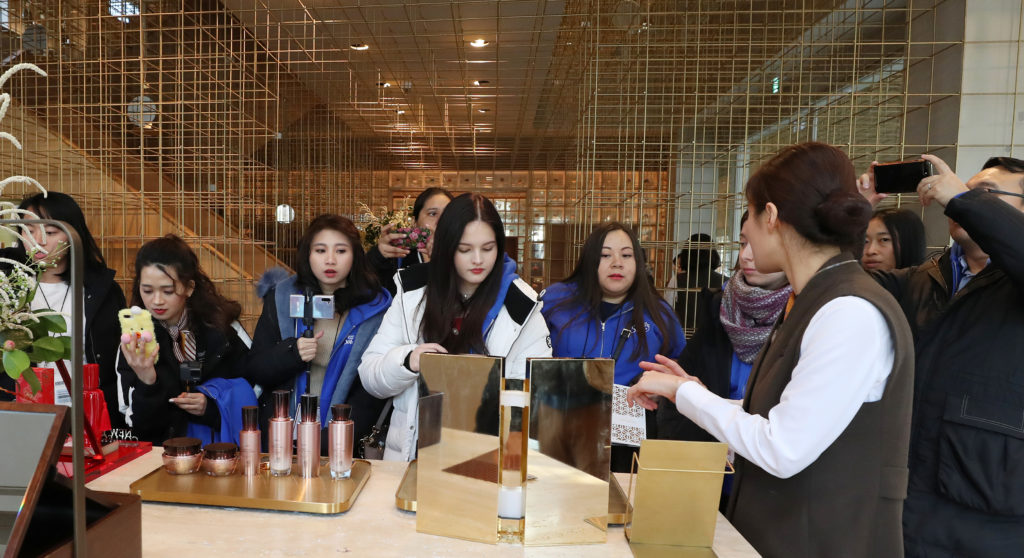
With the help of social media and internationally popular Korean shows, global interest in Korean skincare and makeup products (collectively referred to as K-beauty) has increased exponentially in the past decade. Today, K-beauty products are readily available to American customers at chain stores like CVS and Sephora. This market transition was not coincidental: it was strongly supported by the Korean government. After all, with the average Korean putting more than 10 products on their face, the industry had to expand abroad.
In a country where there are very few natural export goods, both the government and the market embraced the beauty product boom– to support this industry, the Korean government used existing public infrastructure that had promoted other industrial exports. Korean cosmetics companies received help from the Korean International Trade Association (KITA) – a non-profit organization that helps small and medium enterprises enter markets abroad. KITA provided support on key aspects of the market entry process, including product pricing and even small details like product packaging. The industry also received tax breaks as export-only companies get tax breaks and could draw on government funds to pay legal fees for companies in need of brand protection overseas. The government also helped introduce foreign customers to South Korea’s skincare products, by incorporating skincare shops in Seoul as part of the tour.
South Korea has used public resources in the past to promote exports. Most notably, the government founded a publicly-owned steel company in the 1970s to facilitate domestic shipbuilding and car manufacturing. In the 21st century, heightened scrutiny from international financial institutions made industry promotion through direct material support more challenging. However, South Korea’s promotion of its cosmetics industry shows how the market can still employ public tools to elevate its competitiveness abroad.
This briefing comes from Korea View, a weekly newsletter published by the Korea Economic Institute. Korea View aims to cover developments that reveal trends on the Korean Peninsula but receive little attention in the United States. If you would like to sign up, please find the online form here.
Korea View was edited by Yong Kwon with the help of Sean Blanco, Marina Dickson, and Jina Park. Picture from the flickr account of the Republic of Korea