Les Présidents: Moon Jae-in, Charles de Gaulle, and the 360 Presidency
One contextual parallel between the two presidents is that Moon and de Gaulle both came to power following a domestic political crisis.


One contextual parallel between the two presidents is that Moon and de Gaulle both came to power following a domestic political crisis.
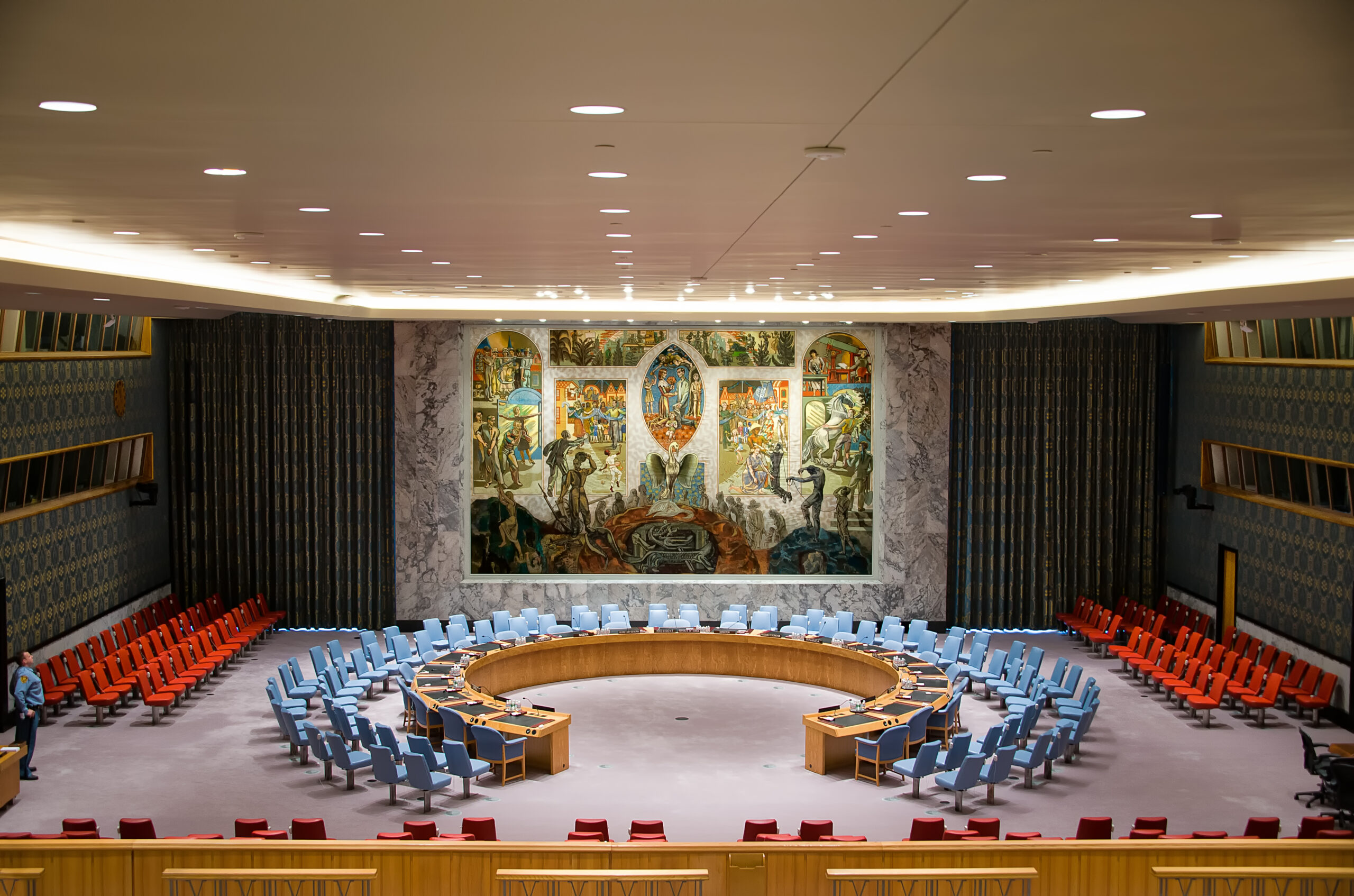
Now that North Korea has defied warnings from the international community not to conduct a sixth nuclear test, including from its friends China and Russia, the challenge is, how to respond?
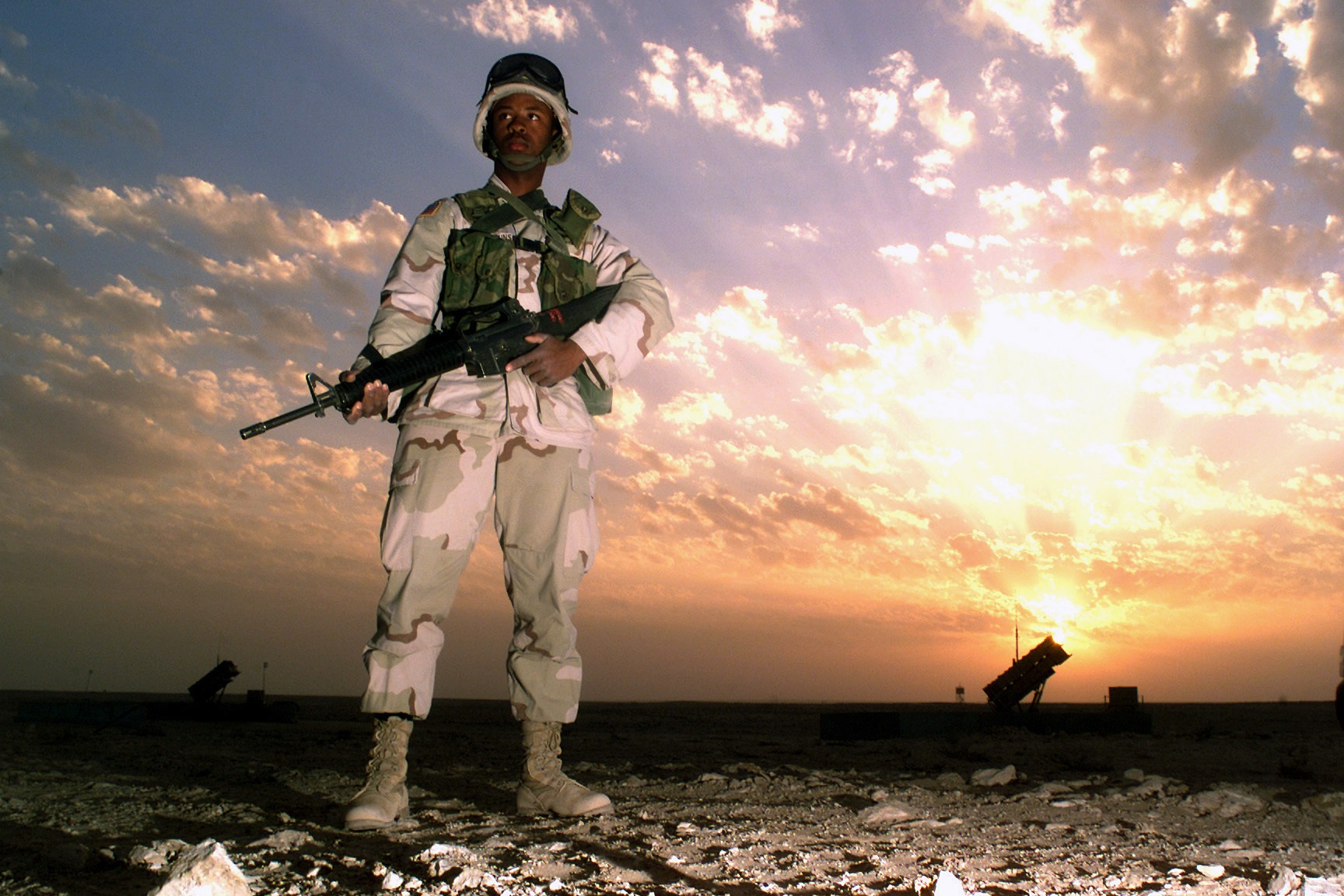
If the United States conducted a preventative attack on North Korea, how might North Korea respond and what might a potential conflict look like?
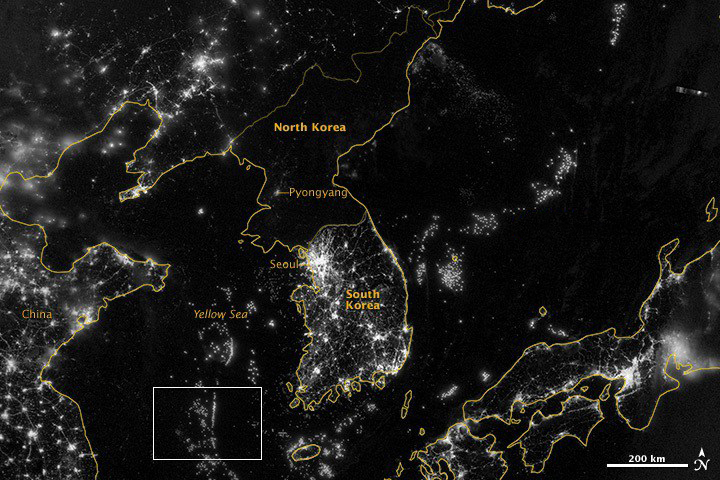
There are three aspects of North Korea’s August 28th missile launch over Japan that qualify it as “unprecedented” among Pyongyang’s recent tests.

While at times used interchangeably, preemptive military action and preventative military action are actually quite different.
Although tensions with North Korea seem to have eased during the past few days, there is urgency to the question, “What will happen next?”
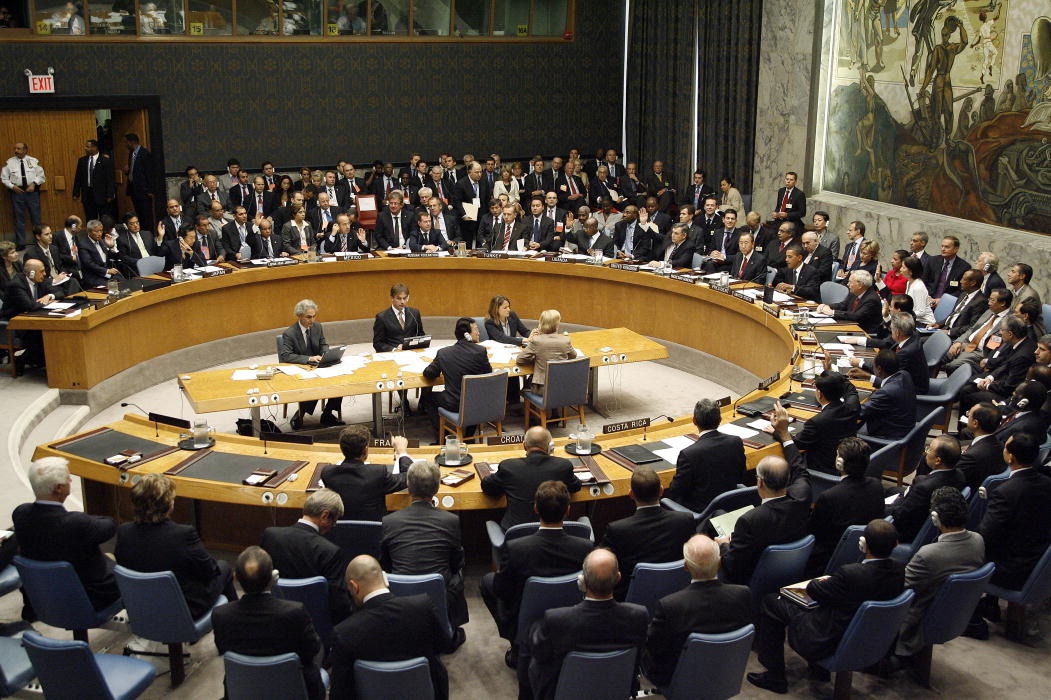
The United Nations Security Council has unanimously passed new sanctions on North Korea in response to Pyongyang’s intercontinental ballistic missile tests on July 4 and 28.
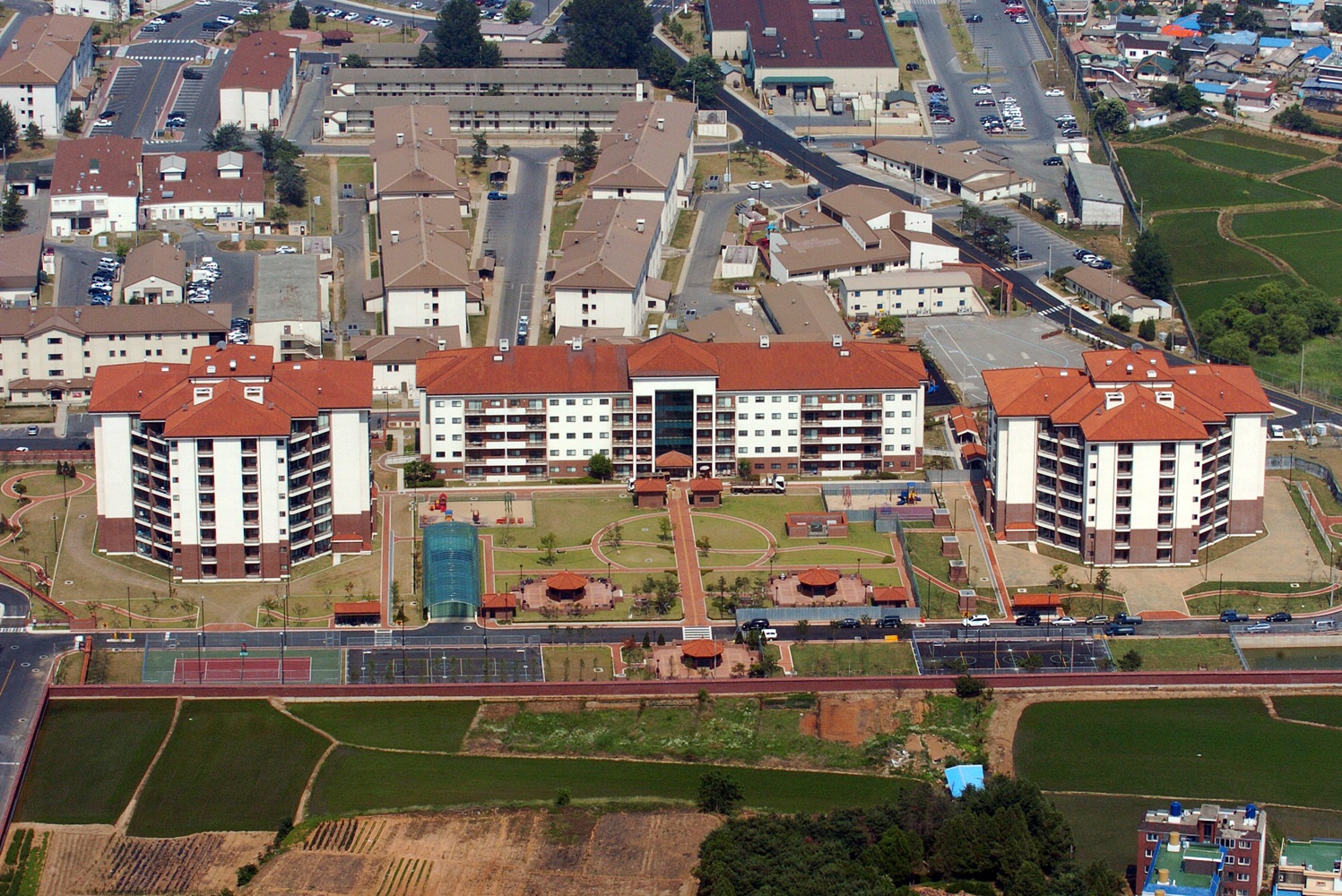
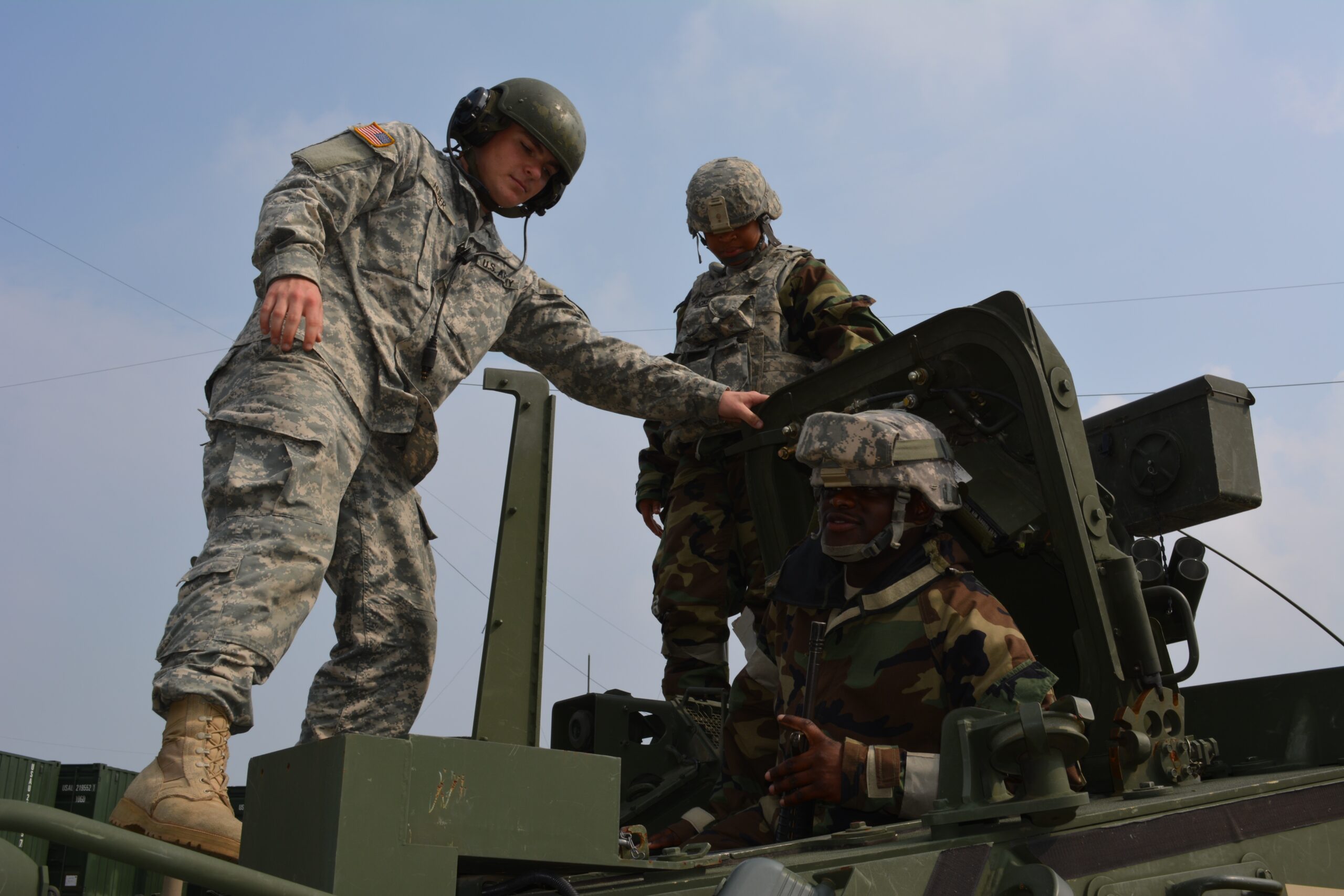
The U.S. Eighth Army, the main symbol of U.S. Forces Korea (USFK), transferred its headquarters from Yongsan base in central Seoul to Camp Humphreys in Pyeongtaek on July 11.
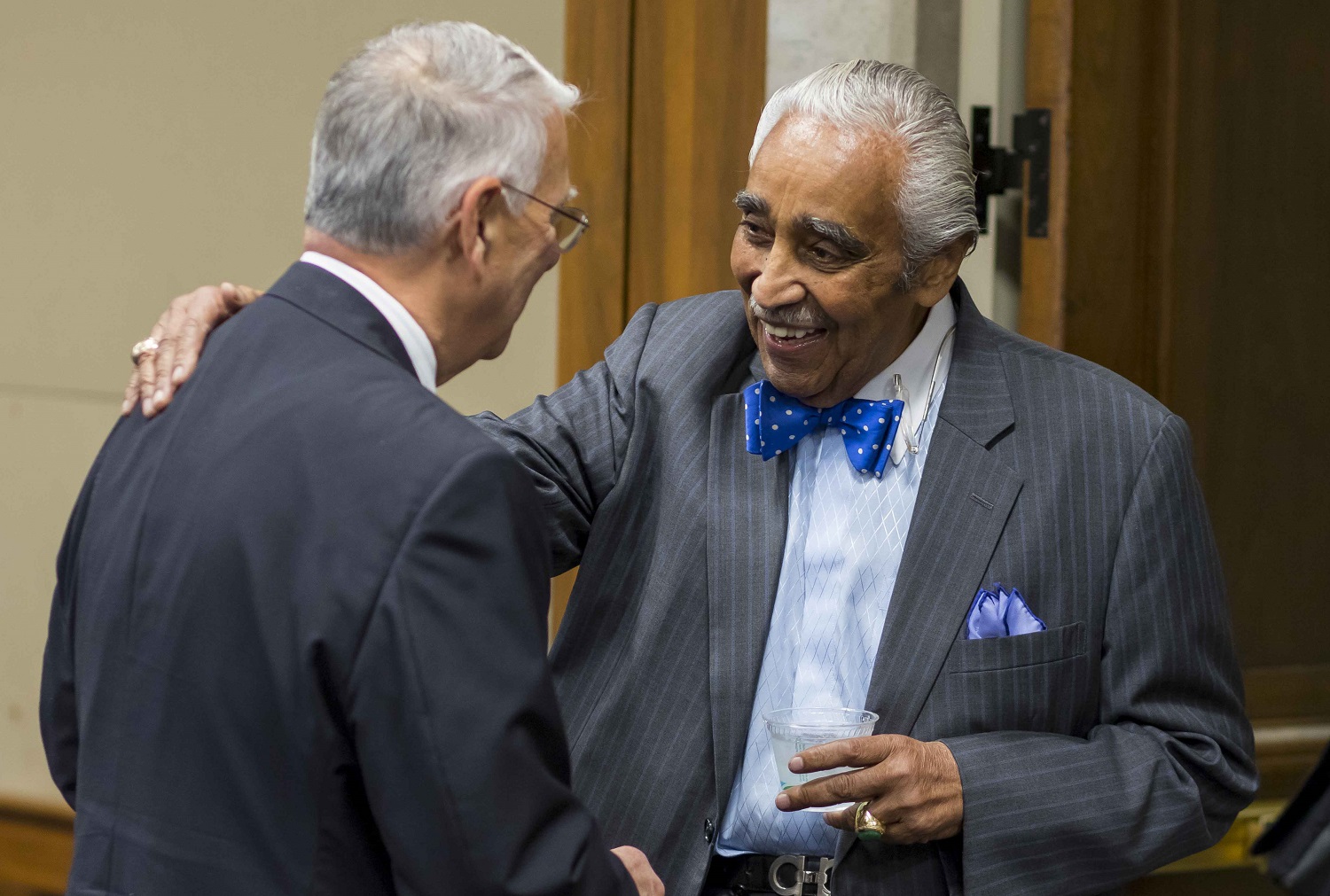
KEI President Donald Manzullo, a former member of the House of Representatives, recently interviewed Charlie Rangel, a former Congressman from New York and a Korean War Veteran, for the KEI podcast.
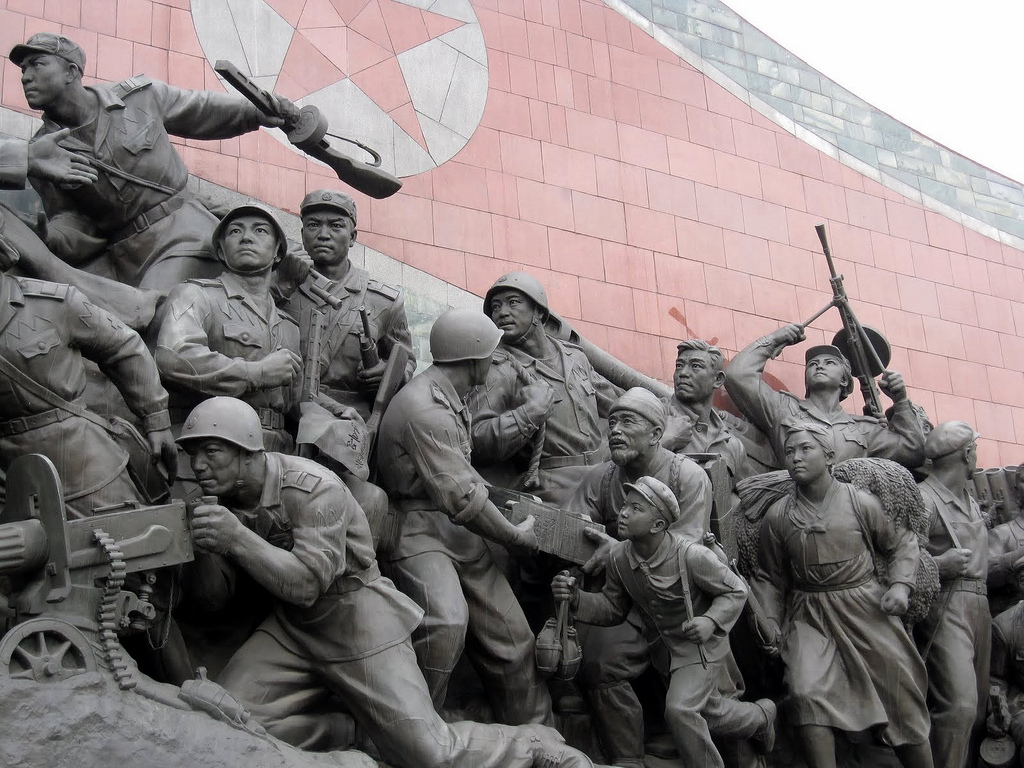
It usually takes some time to figure out the details of what a North Korean missile test has accomplished – what type of missile it was, how it performed, its capabilities – but from the initial information regarding North Korea’s July 4th missile test, it appears that they have successfully tested an Intercontinental Ballistic Missile (ICBM).